
Page 51 of 75Results 501 to 510 of 745, 15 January - 14 February 2019
-
What makes a man? Testosterone only half the story, scientists say

Scientists have identified for the first time the details of an 'alternative' biological process required to develop male genitals in an unborn baby.
-
New research looks at the impact of everyday chemicals on women's health

Study to look at how chemicals in cosmetics may affect women's fertility
-
Bone graft company spun out from the University of Aberdeen awarded compliance mark
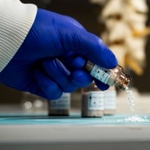
In a development that represents new hope for repairing challenging bone fractures, a University spinout has received a CE mark for a synthetic bone graft substitute.
-
Aberdeen team part of international research hub to tackle child stunting

The University of Aberdeen is part of a new £19.76m research hub led by the London International Development Centre (LIDC) and the London School of Hygiene & Tropical Medicine (LSHTM) that aims to tackle the problem of stunting in children.
-
Royal appointment for Professor Parson

A leading Aberdeen anatomy professor has received a prestigious Royal honour.
-
Man-made chemicals in our environment cause 'worrying' changes in sheep livers

Exposure to man-made chemicals found all around us has caused 'worrying' changes in sheep livers, according to the researchers behind a new study.
-
HRH The Duchess of Rothesay officially 'installs' Principal

Her Royal Highness The Duchess of Rothesay officially installed Professor George Boyne as Vice-Chancellor of the University of Aberdeen today (Wednesday, January 16).
-
Death and Missed Appointments

Missing GP appointments is associated with early death, and those with long-term mental health conditions are at particular risk.
-
Open session with Marion Campbell (Foresterhill)

Date: Tuesday 22 January 2019 Time: 10.00 - 11.00 Venue: Polwarth Auditorium
-
Why is the diagnosis of women's cancer often delayed?

Gynaecological cancers are relatively common - ovarian, cervical and uterine cancers together make up about 20,000 cases each year, with approximately 7,400 deaths.