
Smith Centre for Neurology and Neuroscience

In this section
Smith Centre for Neurology and Neuroscience

The Smith Centre for Neurology and Neuroscience benefactors Bernard and Ruth Smith left a significant and Photo of Bernard and Ruth Smithhighly generous donation to the School of Medicine, Medical Sciences and Nutrition to support research into neurology and neuroscience through the creation of the Smith Centre for Neurology and Neuroscience.
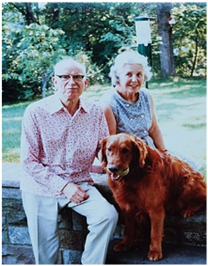
The vision for the Centre is: ‘To optimise brain health across the life-course and in so doing, build resilience against the effects of ageing and neurodegenerative disease

Our aspiration is that in ca. 100 years from now, as a direct consequence of this bequest, our future Aberdeen research colleagues will be celebrating the award of a Nobel Prize in neurology and neuroscience.


Our Vision

The Smith Centre for Neurology and Neuroscience has a rare opportunity not simply to support excellent The Smith Centre for Neurology and Neuroscience logoneuroscience research but to shape the trajectory of brain health discovery for generations to come. The aspiration that future researchers in Aberdeen may one day celebrate discoveries of global significance arising from work enabled by this bequest provides an appropriately ambitious benchmark. Achieving impact at this level requires recognising that transformative advances in neuroscience rarely emerge from short funding cycles or isolated projects. Instead, they arise through sustained investment in people, ideas, and environments that support intellectual risk taking, deep expertise, and long-term collaboration.
Aberdeen already hosts several areas of internationally competitive expertise across disciplines that intersect with neuroscience. The opportunity for the Smith Centre is not simply to fund individual projects but to strengthen connectivity, scale, and ambition across the existing research landscape. By deliberately bringing together biological insight, clinical expertise, advanced imaging, molecular science, and computational approaches, the Centre can cultivate a convergence environment capable of addressing complex challenges in brain health.

Our Research Themes

At the Smith Centre, our research is organised around three complementary themes that work together to better understand the brain across the lifespan and to improve brain health.

The Smith Centre for Neurology and Neuroscience Team

Executive Leadership Team

Centre Director, Prof Jenna Gregory. Professor of Pathology and NHS Consultant Histopathologist.

Portrait photo of prof Jenna GregoryProfessor Jenna Gregory is a clinician scientist who studied preclinical medicine at St Andrews University before completing her clinical training and undertaking her PhD at Cambridge University. Following this she moved to the University of Edinburgh to train as a pathologist and was appointed as a SCREDS clinical lecturer in 2018. Following the completion of her specialist training in pathology, in 2022, she took up an NHS Consultant post in the Department of Pathology in Aberdeen alongside a Senior Lecturer post in the University, and was appointed to Clinical Chair in Pathology in 2024.

Her work focuses on integrating advances in digital and molecular pathology, digital health data, and biomarker discovery to detect neurodegenerative processes at their earliest stages. This approach supports the development of personalised risk profiles and targeted prevention strategies tailored to the individual, with the aim of shifting the field from reacting to established disease toward predicting, preventing, and delaying neurodegeneration so that more people can maintain healthy brain function across the lifespan. Professor Gregory also contributes widely to the research and clinical community, serving on scientific advisory boards such as CureC9 and on national and international grant panels, including the MNDA BRAP and the Doddie Foundation. She leads patient and public engagement initiatives to better understand how prevention strategies affect people living with neurological disease and their families, co-leads the Aberdeen Clinical Academic Track (ACAT) supporting clinical academics in Aberdeen, and holds multiple multi-million-pound international consortium grants, bringing a strong international and collaborative perspective to the centre’s work.

Deputy Director, Prof Lora Heisler. Chair in Nutritional Neuroscience.

Portrait photo of prof Lore HeislerProfessor Lora Heisler is Chair in Nutritional Neuroscience and Research Lead at the Rowett Institute, University of Aberdeen. Professor Heisler’s research focuses on the brain circuits underlying appetite, physical activity, body weight and glucose homeostasis in an effort to identify new targets amenable for obesity and type 2 diabetes treatment. Professor Heisler’s career contributions to obesity and type 2 diabetes treatment have been acknowledged by Outstanding Scientific Achievement medals, prizes and election to the Royal Society of Edinburgh. For more than a century, the Rowett has worked to clarify the effect of nutrition and body weight on health using techniques ranging from intercellular analyses to population health; research innovation acknowledged by Nobel prizes. The Rowett is Scottish government funded, and we work closely with politicians to devise and implement meaningful research to guide policy and impact the health of the nation. Professor Heisler takes advice and input from patient groups, providing a strong understanding of the greater impact disease has on their lives, with the objective to devise novel therapeutics to meet these needs. She also sits on Scientific Advisory Boards and is a UK Medical Research Council UK grant panel member. These national and international positions provide a mechanism to horizon scan the latest nutritional neuroscience research. Professor Heisler’s objective is to discover meaningful ways to prevent and treat metabolic disease and improve global health and wellbeing.

Deputy Director, Dr Gordon Waiter. Reader.

Portrait photo of dr Gordon WaiterDr Waiter leads the Brain Imaging Group at the University of Aberdeen and has an extensive research programme across many domains of age-related cognitive decline. Dr Waiter’s research focuses on the application of computational neuroimaging to investigate cognitive change in ageing and disease and has published on topics including fatigue, healthy ageing and depression. Dr Waiter has supervised over 20 PhD students to completion. As a member of the Scottish Imaging Network (SINAPSE) Transferable Skills Committee (2008 – 2012) he contributed to the design of a Scotland wide assessment and development programme for 45 PhD students as part of its highly successful Doctoral Training Programme providing mentorship, training and career advice as well as pastoral support. Currently, Dr Waiter is director of the Aberdeen Biomedical Imaging Centre, a cross-University research network that promotes cross-disciplinary collaboration. Dr Waiter actively promotes an open and inclusive environment and maintains mentorship relations with many past students and ECRs. Recognising his wider discipline specific knowledge and academic excellence, he has recently been appointed as Fellow of the Institute of Physics (IoP) and Fellow of the Institute of Physics and Engineering in Medicine (IPEM).

Early Career Research Leads

Dr Holly Spence, ECR Lead for Theme 1. MND Association Lady Edith Wolfson Junior Non-Clinical Fellow.

Portrait photo of Dr Holly SpenceDr Holly Spence studied Biomedicine at Lancaster University before completing her PhD in Medical Sciences at the University of Aberdeen, where she investigated the role of brain iron in age-related cognitive decline and its relationship with peripheral biomarkers of iron metabolism and inflammation. In March 2023, she joined the Gregory Lab as a Postdoctoral Research Fellow and was recently awarded a prestigious MND Association Lady Edith Wolfson Fellowship. Her research focuses on heavy metal dysregulation, metabolomics, and oxidative stress in ageing and neurodegenerative disease, using brain imaging, molecular pathology, and metabolomic profiling to identify biomarkers across central and peripheral systems. She is particularly interested in linking imaging and fluid-based biomarkers to targeted therapeutic strategies to advance precision prevention and precision medicine. Dr Spence has established international collaborations and brings expertise in competitive fellowship funding, which she aims to further develop within the Centre to support ECRs in interdisciplinary research and strengthen global partnerships.

Dr Fabien Naneix, ECR Lead for Theme 2. Lecturer.
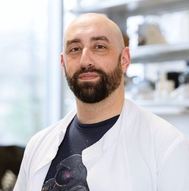
Portrait photo of Dr Fabien NaneixFabien obtained his PhD in Neuroscience in 2012 from the University of Bordeaux (France) under the supervision of Dr Etienne Coutureau in the Decision and Adaptation team. During his PhD he investigated the role of the mesocortical dopamine pathway in goal-directed behaviour and its maturation during adolescence. He stayed in Bordeaux for his first postdocs with Dr Martine Cador (Neuropsychopharmacology of Addiction team) and Dr Guillaume Ferreira (Laboratory of Nutrition and Integrative Neurobiology) to work on the long-term impact of sugar and high-fat diet overconsumption during adolescence on reward and memory processes. In 2017, Fabien moved to the University of Leicester (England) to work as a postdoc with Dr James McCutcheon on the neurobiological circuits underlying protein appetite. In June 2020, Fabien joined the Rowett Institute as Lecturer in Neuroscience. Within the Centre, he will support ECRs by providing mentorship in experimental design, behavioural neuroscience approaches, and translational study frameworks linking preclinical findings to human health relevance. He also brings strong experience in building interdisciplinary research programmes across nutrition, neuroscience, and metabolism, and will help foster collaborative, cross-sector projects.

Dr Michelle Sader, ECR Lead for Theme 3. Research Fellow.

Portrait photo of Dr Michelle SaderDr Michelle Sader will bring expertise in neuroimaging and neuroanatomical approaches to emotional regulation, with a particular focus on eating disorders, body mass index, and neurodivergent populations. Her work bridges brain structure, behaviour, and mental health, with a strong emphasis on clinically relevant and translational research.

Within the Centre, she will contribute specialist knowledge in neurodiversity-affirming and co-produced research approaches, supporting the development of inclusive study designs that meaningfully integrate lived experience. She brings established experience in large, multidisciplinary UK-wide collaborations through the EDAC network, and will help strengthen links between neuroscience, psychiatry, and neurodiversity research across institutions.

She will also support Early Career Researchers by sharing expertise in neuroimaging analysis, clinically focused study design, and collaborative research practices, helping to foster high-quality, impact-driven research with strong patient and public involvement.

External Advisory Board

Chair of the Board, Prof Craig Ritchie. Founder & Chief Executive of Scottish Brain Sciences.

Portrait photo of Prof Craig RitchieCraig is the CEO and Founder of Scottish Brain Sciences, as well as a Professor of Brain Health and Neurodegenerative Disease at the University of St Andrews; and previously, Honorary Chair of Psychiatry of Ageing and Director of the Centre for Dementia Prevention at the University of Edinburgh; Chair of the Scottish Dementia Research Consortium and Associate Director of the Edinburgh Wellcome Trust clinical research facility. He graduated from Aberdeen Medical School in 1991, gained a Masters in Epidemiology in 2002, and a PhD in Mental Health from University College London in 2006. He holds an Honorary Professorship at the University of Aberdeen since 2025.