

Routine gut biopsies predict the risk of developing dementia and related neurodegenerative conditions years before neurological symptoms appear, research from the University of Aberdeen has shown for the first time.
The study, the first of its kind, could pave the way for early diagnosis and prevention of neurodegenerative conditions such as Alzheimer's disease, Parkinson’s disease and motor neurone disease (MND), conditions affecting more than 57 million people worldwide and expected to grow to 153 million people by 2050.
In a major new study, published in the journal Gastroenterology, scientists and clinicians from the University of Aberdeen, NHS Grampian and NHS Highland found that abnormal, misfolded proteins – proteins that have failed to achieve their correct shape – linked to neurodegenerative diseases can be detected in gastrointestinal tissue years before neurological symptoms begin. The research, funded by Target ALS, LifeArc and NHS Grampian Charity, suggests that the gut may provide a practical and accessible site for identifying people at risk of neurodegeneration long before clinical symptoms arise.
Neurodegenerative diseases are among the leading causes of disability and death worldwide. By the time symptoms emerge, extensive and irreversible damage to the brain and central nervous system may have already occurred, which could limit the effectiveness of available treatments.
Researchers analysed archival gastrointestinal biopsies from 196 individuals over the age of 60 who had unexplained digestive symptoms but no diagnosed neurological disease at the time. Participants were followed for 13 to 15 years to track the development of neurodegenerative conditions.
The team assessed three key proteins associated with neurodegeneration: TDP-43, tau and α-synuclein. Evidence of protein misfolding in the gut – termed “protein misfolding enteropathy” – was detected in 60% of cases.
Those with these protein abnormalities were significantly more likely to develop non-Alzheimer’s dementias or conditions like Parkinson’s disease. The biomarker showed over 80% sensitivity in predicting disease, and the presence of multiple protein markers was linked to poorer survival outcomes.
Crucially, these pathological changes were present an average of nearly seven years before neurological symptoms emerged, suggesting a substantial window for potential early intervention.
The team hopes the findings will lead to new screening strategies and support the development of prevention-focused clinical trials. If validated in larger studies, gut-based biomarkers could become a widely accessible tool for identifying at-risk individuals and monitoring treatment response.
The researchers noted that further work is needed before the approach can be used in routine clinical practice. The observational study does not prove that misfolded gut protein changes directly cause neurodegeneration, only that they are strongly associated with it.
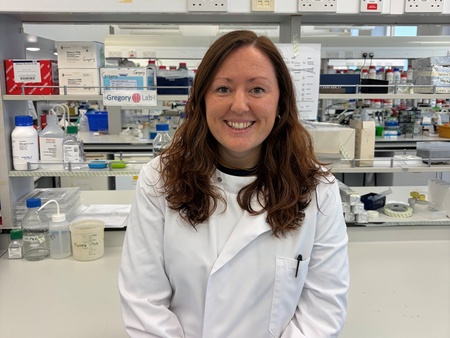
The findings suggest that neurodegenerative disease processes are not confined to the brain, according to the study’s lead author Jenna Gregory, Clinical Professor of Pathology at the University of Aberdeen.
She said: “We are seeing clear evidence that the same pathological protein changes that occur in several neurodegenerative diseases can occur in the gut many years earlier than we previously recognised. This opens up entirely new possibilities for early detection and intervention.
“The study highlights the urgent need for better detection tools for neurodegenerative diseases. Many of these conditions still lack effective treatment options, making early detection and scalable screening approaches especially important for improving patient outcomes.”
Drawing comparisons with cancer research, she added: “We have learned that early detection is key to improving outcomes. We hope this work helps move early detection and prevention strategies to the forefront in neurodegenerative disease.
“These conditions have long been diagnosed too late. This approach could shift the focus from reaction to early detection and disease prevention, where the greatest impact lies.”
Co-author Angus Watson OBE, a colorectal surgeon and Clinical Professor of Surgery at Aberdeen University, who collaborated on the research said: “Our findings suggest that routine clinical samples, such as gastrointestinal biopsies, could be repurposed to identify individuals at high risk of dementia. This could transform how we approach prevention trials and the development of disease-modifying therapies.”
Lisa Duthie, NHS Grampian Charity Lead, said: "The incredible work carried out by the teams at the University of Aberdeen, NHS Grampian and NHS Highland as part of this study offers huge potential for earlier screening and treatment of neurodegenerative diseases.
"These diseases can have a devastating impact, not just on the patients themselves, but on their families and friends too. With incidences of neurodegenerative diseases increasing, research like this which shines the spotlight on early diagnosis and intervention is becoming even more important."