




Aberdeen deprivation
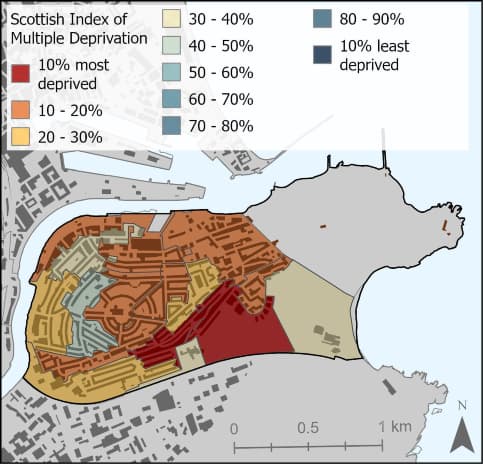
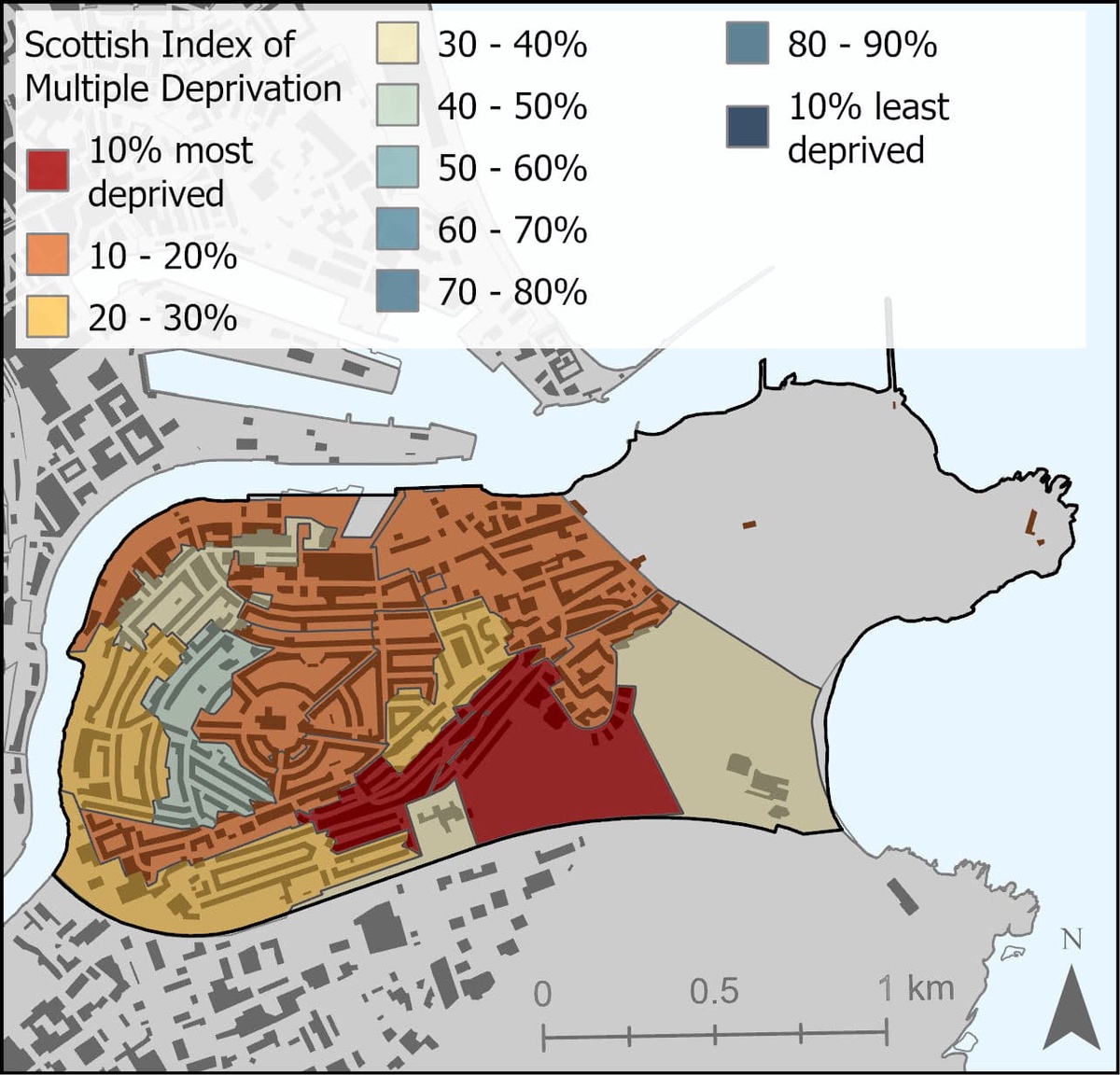
A map highlighting the spread of deprivation in Torry, Aberdeen.
We will work with our partners NESFIT, Transition Catalyst and NESCAN in delivery.
You can read the full case profile here.
Image - Scottish Index of Multiple Deprivation for Torry, Aberdeen
Torry is a highly diverse community comprised of a variety of people of varying ethnic origins, as the area has been a popular locale for housing immigrants to the city, attracted by employment provided by Aberdeen’s residual fishing and fish processing industry and by the service industries that flourished alongside the city’s once booming oil and gas industry.
Torry also contains a range of groups in terms of economic well-being, where there has been an influx of some young professionals into the leafier parts of the area. The larger part of the neighbourhood, however, is predominantly working class, with pockets of deprivation and income and health disparities compared to Aberdeen's more affluent areas. It is also the case, however, that Torry has a longstanding local population with a strong sense of identity and community while also welcoming newcomers into the fold.
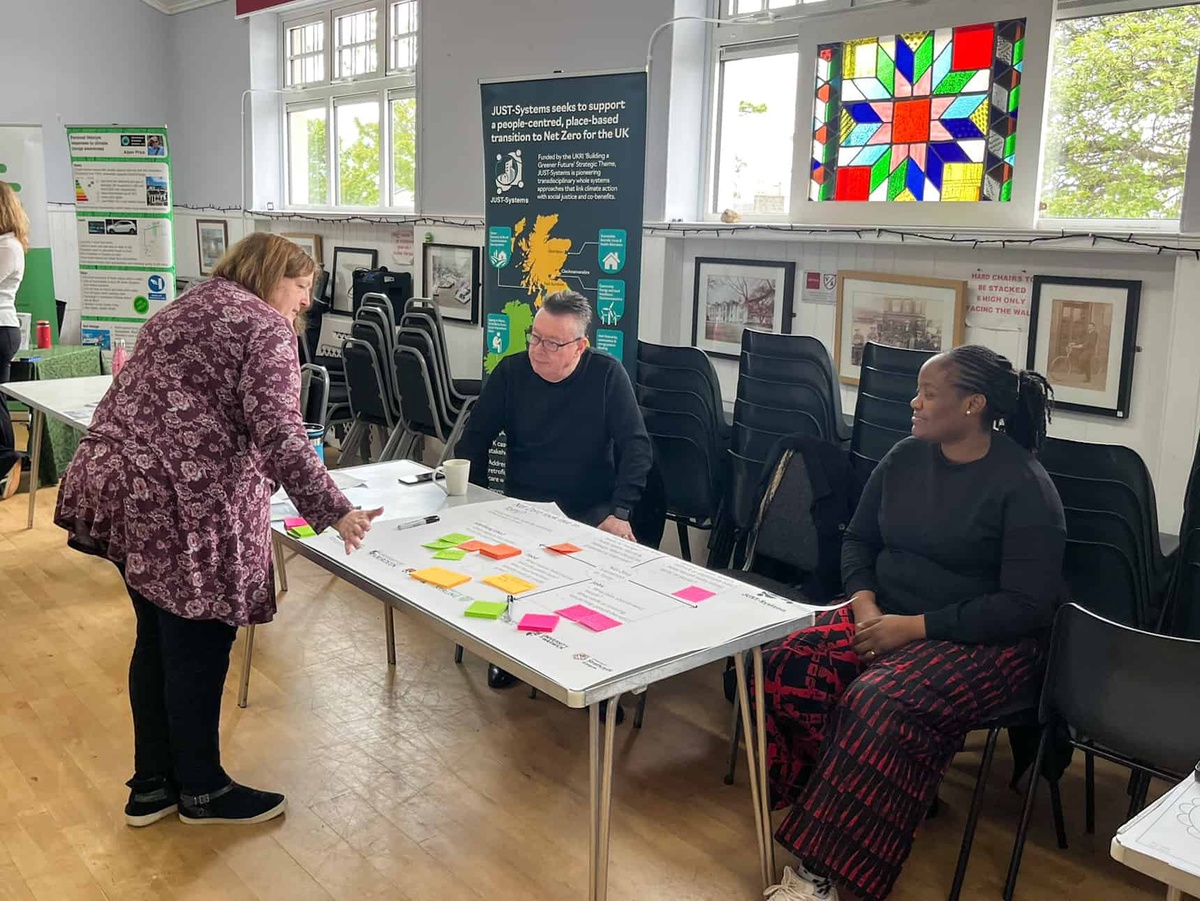
Photo - Community engagement event at the Old Torry Community Centre, May 2026
In addition, Torry faces a pressing need for housing retrofit due to high levels of fuel poverty and inefficient housing stock. Many homes in Torry (including old granite tenements and mid-20th-century council-owned flats) suffer from inadequate insulation and outdated heating systems, leading to unaffordable energy bills and cold, damp living environments. Further tensions have arisen over the Aberdeen City Council’s plans to demolish 504 homes due to unsafe reinforced autoclaved aerated concrete (RAAC), displacing residents and deepening perceptions of neglect and unfair treatment.
The JUST-Systems project aims to support the establishment of a community-led retrofit project, co-developed through demonstrator projects that address together community priorities and the range of issues intersecting the transition to net zero as articulated by residents. You can see the Torry systemic intervention diagram here.
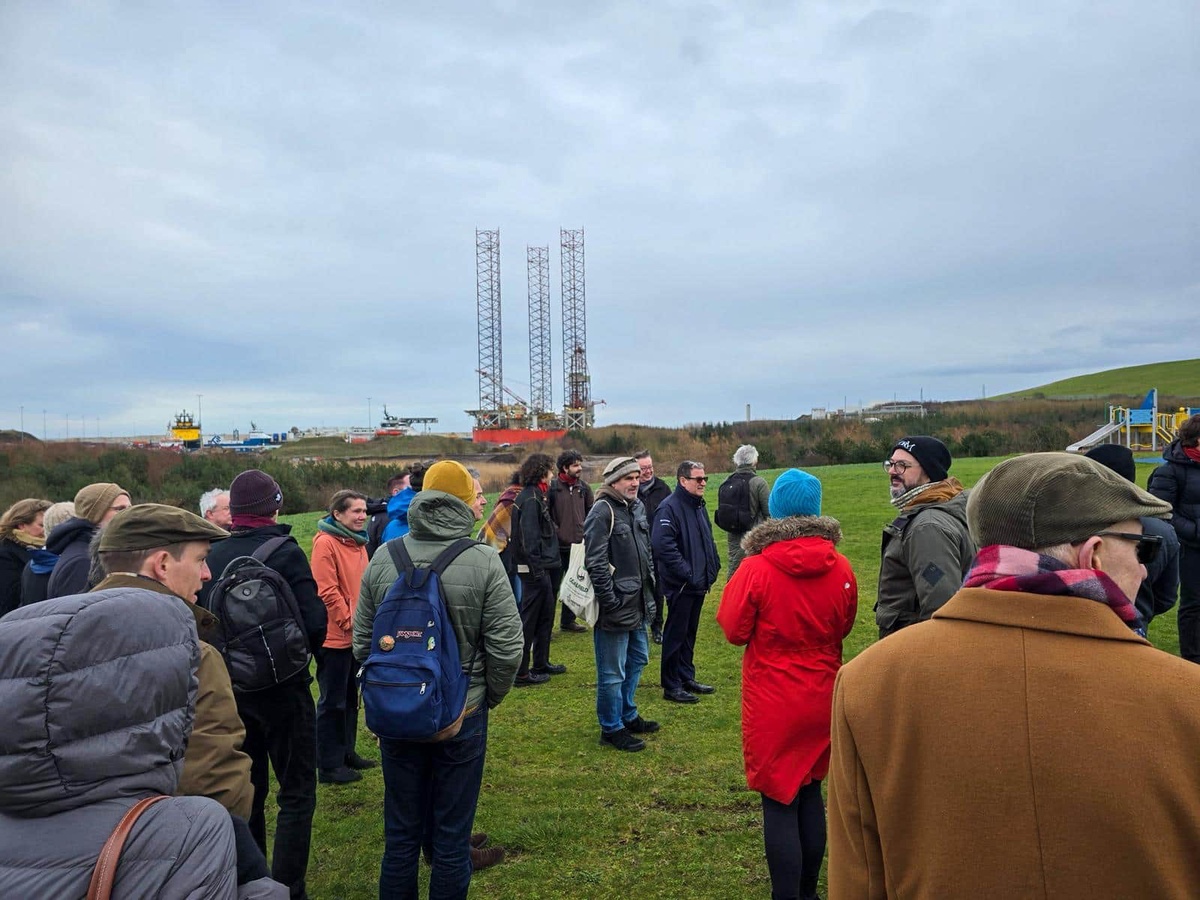
Photo - Visit to St Fittick's park with local and national project partners, March 2026
The case study’s research and engagement approach, influenced by critical system thinking and participatory action research, has focused on developing a place-based, co-created and staged approach in which research activities and tangible, empowering action are aligned and given equal emphasis. At this stage, the research team has operated both as an enabler for consensus-building among different community groups to agree priorities, and as a facilitator of dialogue with wider stakeholders such as the city council or funding bodies – both critical for implementing the initiatives. The demonstrator projects, currently being developed in collaboration with community groups, address critical aspects of the just transition as articulated locally, including heritage preservation, retrofit, energy efficiency, circular economy, fuel poverty, and health and wellbeing.
In the next few months, the work will focus on defining what a just transition looks like in Torry, based on a system-informed collection of accounts from local stakeholders. At the same time, we will continue providing technical support to community groups in developing the demonstrator projects, focusing on producing the evidence base for Community Asset Transfers and funding applications, planning of co-creation events, and supporting the long-term sustainability of the initiatives.
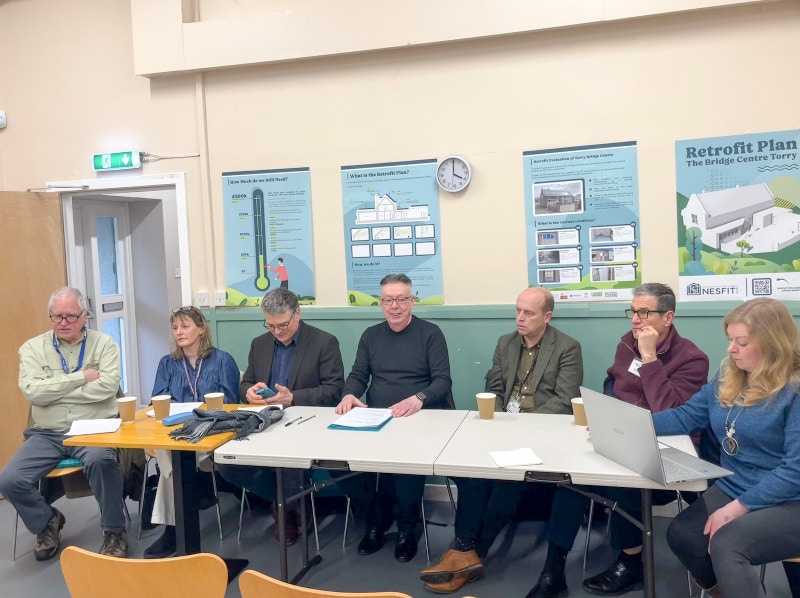
Photo - Panel with local stakeholders at the Bridge Centre, March 2026
A map highlighting the spread of deprivation in Torry, Aberdeen.
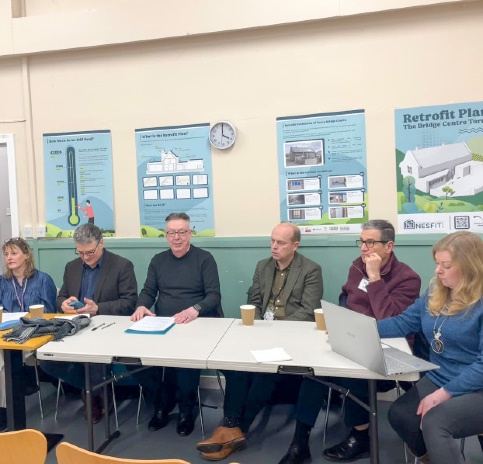
Panel session with local stakeholders organised as part of the JUST-Systems annual event at the Bridge Centre in Torry, included residents and representatives from Aberdeen City Council and case study partners.
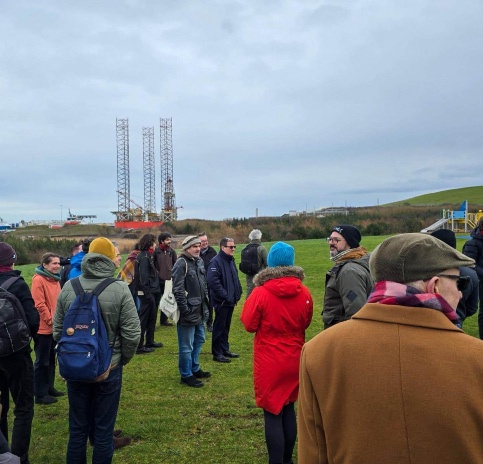
Site visit to St. Fittick’s Park organised as part of the JUST-Systems annual event and led by a Torry resident and community leader. Project partners from across the country learned about local challenges.
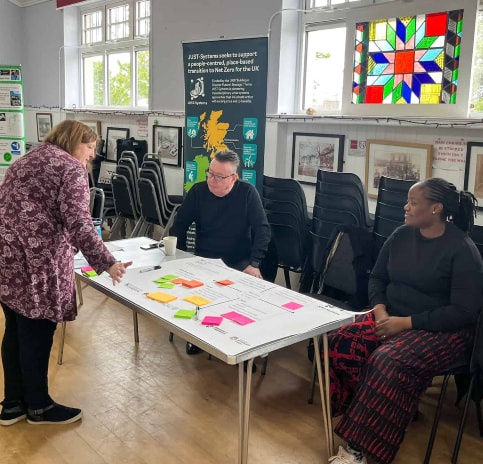
Community engagement activity as part of a larger event organised by Aberdeen Climate Action at the Old Torry community centre. Participants reflected on what a just transition would look like in Torry.