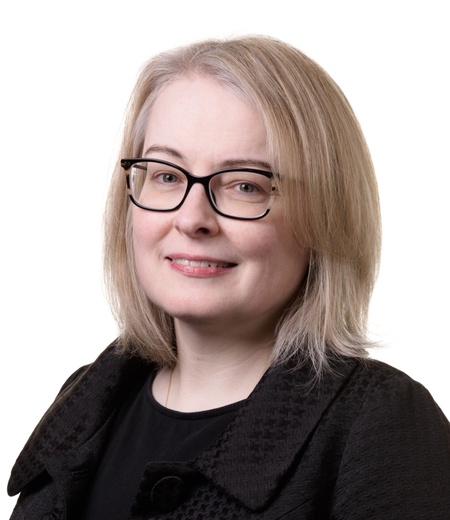
Senior Clinical Lecturer and Honorary Consultant Rheumatologist, Director, Aberdeen Centre for Research Excellence in Musculoskeletal Health
I didn’t grow up with a grand plan to become a scientist, or even a rheumatologist, if I’m honest. What drew me in was curiosity and people. I was interested in how the body works but even more interested in how illness affects everyday life and how health services could work better for the people using them. Over time, combining clinical medicine with research felt like the right fit, and now I split my time between seeing patients and leading research at the University of Aberdeen.
My work looks at how healthcare is organised and how we can design services that work better in the real world for people living with long-term joint, muscle and immune-related conditions - from common problems like arthritis to rarer illnesses such as vasculitis. That can mean analysing large health datasets one day and sitting with patients and clinicians mapping out care pathways the next. One of the surprises of a STEM career for me has been how creative it is - it’s as much about listening and problem-solving as it is about numbers.
I’ve been very lucky with mentors and supportive colleagues, and I’ve learned that encouragement doesn’t have to be formal to matter. A quick conversation and small acts of support can make a big difference.
Women and girls bring different perspectives and lived experiences into STEM, and that diversity strengthens science. Much of my own research combines numbers with people’s stories: the data tells us what is happening, but conversations help us understand why. “Her voice in science” matters because the questions we ask and the solutions we design are better when more voices are involved.
My advice to anyone exploring STEM is to keep an open mind and not worry if your path isn’t straight. Try things, ask questions, and remember there’s no single mould you need to fit to belong in science.