

A new position paper from researchers at the University of Aberdeen warns that opioid use disorder in the UK is a "large and probably underestimated" problem, and that without urgent action, opioid addiction and opioid-related deaths will continue to rise.
The authors argue that pain medicine must be redefined as a frontline tool in preventing and treating opioid addiction. They suggest that people being prescribed opioids and those using illicit opioids need more support from healthcare providers.
The paper calls for tighter limits on opioid dose and duration, reduced pack sizes, and stronger opioid stewardship across the NHS, and efforts should be made to deliver a more patient-centred approach. It also urges clinicians to identify opioid use disorder and related mental health issues earlier, communicate in ways that reduce stigma, continue opioid‑agonist therapy during acute care, and use different approaches to pain relief. Further recommendations emphasise the need for coordinated follow‑up between addiction services and primary care to ensure continuity of treatment.
The paper was published recently in The European Journal of Pain.
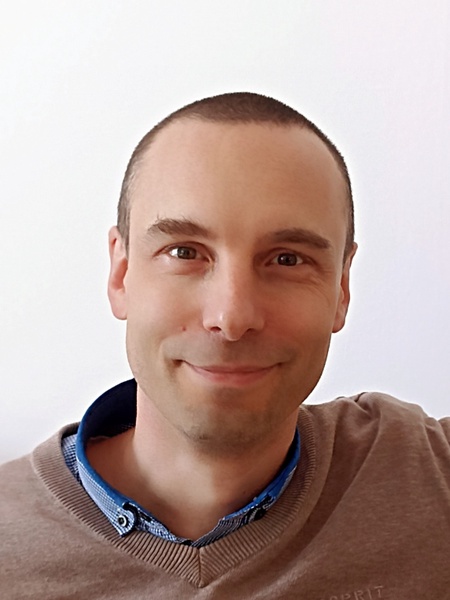
Professor Patrice Forget, Clinical Chair in Anaesthesia at the University of Aberdeen, and Honorary Consultant at NHS Grampian, who co-wrote the paper following more than 20 years of working in medicine, said the scale of the issue is still not fully recognised: “The problem is large, and is probably largely underestimated. People taking prescription opioids may experience many more problems than currently estimated, and rather than being stigmatised, they need more support. Pain in people using illicit opioids is also largely unaddressed.”
He warned that without change, the UK should expect worsening outcomes: “We have no signal that the situation is going to be solved soon. If these problems remain neglected, their consequences will continue to grow, with more opioid‑related deaths, more pain, and more suffering.”
Professor Forget suggests that many people with opioid use disorder experience acute or chronic pain, yet current systems often fail to address it: “We need to support people using illicit opioids in a way that suits them and considers their personal circumstances. A person‑centred approach is essential, and professional education must support that.”
He added that more research is needed to close knowledge gaps and improve prevention, stressing that prevention must start at the point of prescribing and current approaches are too generic: “Opioids are often prescribed in a ‘one size fits all’ way. Patients deserve to be listened to and to benefit from an individualised approach. Non‑opioids should be better used, and opioids should be limited to a few days. Problems can increase rapidly while efficacy disappears.”
Professor Sonia Aitken CEO from Pain Association Scotland supports the publication of the paper. She said: “One of the most persistent issues in chronic pain care is our continued overreliance on medication, particularly opioids.
“The current management of chronic pain patients is fundamentally flawed not because of poor intentions or lack of evidence, but because healthcare systems are structurally misaligned with the nature of chronic pain itself. Biomedical dominance, institutional fragmentation, economic incentives, political neglect, and cultural stigma combine to produce a system that repeatedly fails those it is meant to serve.
“Opioids are commonly prescribed due to the lack of immediate alternatives, but long-term use can lead to dependence, tolerance, and even overdose. There is evidence that there is a lack of access to non-pharmacological alternatives such as physical therapy, psychological support, and alternative therapies, forcing healthcare providers to rely on medications as a first-line treatment. However, one could argue that some healthcare professionals prefer to explore the more “evidenced-based” medicines before exploring a more holistic approach.
“This has to change, and whilst progress is being made, there is still room for improvement at adopting a more holistic approach to chronic pain rather than the first port of call being the prescribing of opioids.
“Opioids are not a long-term solution, and we should be placing far greater emphasis on the bio‑psycho‑social model and supported self-management on helping people build the skills and confidence to manage their pain.”