
Page 23 of 144Results 221 to 230 of 1437, 24 August - 12 September 2022
-
Research on world's largest tree group will help conservation and management of rain forests
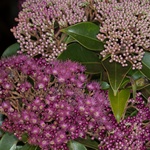
An international study which analysed the world's largest tree group has made breakthrough findings which is expected to guide future conservation of tropical and subtropical rain forests as well as predicting how certain plants will respond to climate change.
-
Scientists shine light on 66 million-year-old meteorite wildfire mystery

The meteorite that wiped out Earth's dinosaurs instantly ignited forest wildfires up to thousands of kilometres from its impact zone, scientists have discovered.
-
Study challenges myth that eating at different times of day leads to differential energy metabolism

Eating the bulk of your daily calories at different times of the day makes no difference to your metabolism, new research has revealed.
-
Innovative computer collaborative launches in Aberdeen

The Aberdeen Computing Collaborative, an innovative multi-agency partnership with the local digital sector to promote interest and opportunities in digital learning and careers, has launched.
-
Researchers awarded £2.9 million to improve access to injury care in the Global South

An international team of researchers have been awarded almost £3 million to improve access to injury care in low-and middle-income countries (LMICs).
-
Republican-donating CEOs more likely to lay off staff when pandemic hit, research says

Chief executives of major companies who donate mostly to the United States' Republican Party were more likely to lay off staff to avoid a loss during the pandemic, new research shows.
-
Evolution of land plants changed composition of Earth's crust, study finds

A new study involving an international team of researchers has found that the evolution of land plants caused a sudden shift in the composition of Earth's continents.
-
Impact of offshore wind on marine food chain to be explored
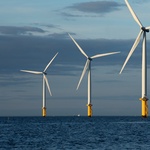
The impact of offshore wind across the marine food chain will be explored in a new project.
-
German research exchange to benefit Parkinson's research
An Aberdeen PhD student has been awarded more than £8000 to enable a research exchange visit that will further her research into Parkinson's disease (PD).
-
Volunteers wanted for Scottish fruit study
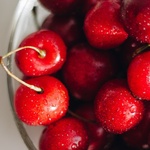
Researchers are investigating whether new varieties of fruit being grown in Scotland which can adapt better to climate change have the same health benefits as established family favourites.