
Introduction
Exciting opportunity for students with an HND in Animal Care to enter year 3 of Scotland’s only BSc programme in Animal Behaviour and Welfare.
Study Information
At a Glance
- Learning Mode
- On Campus Learning
- Degree Qualification
- BSc
- Duration
- 24 months or 48 months
- Study Mode
- Full Time or Part Time
- Start Month
- September
- Location of Study
- Aberdeen
- UCAS Code
- C345
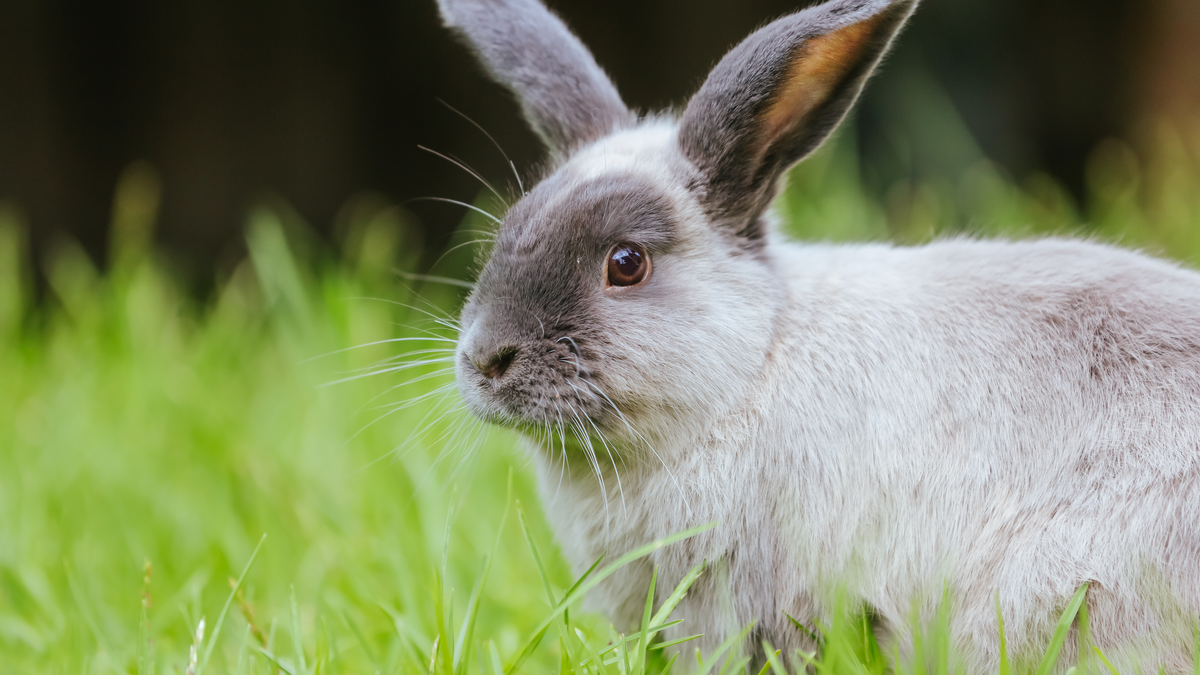
Our BSc Animal Behaviour and Welfare prepares students for graduate careers by providing an exciting opportunity to explore the science that underpins our understanding of animal behaviour and welfare.
We are the only University in Scotland to offer HND Animal Care students the opportunity to “top up” their qualifications with a BSc Honours degree. This additional qualification will enhance your employability and open up additional opportunities in terms of career options and further study.
Upon completion of the programme, you will have:
- Developed a thorough knowledge and understanding of core and critical concepts in animal behaviour and welfare.
- Become skilled in collecting, manipulating and analysing data that is relevant to research questions in animal behaviour and welfare.
- Learned how to plan, execute and present an independent piece of work.
- Developed the skills and confidence to construct a reasoned argument to support your position on ethical issues relevant to animal welfare.
- Practised communication of science with both peers and non-scientists.
Part-time Study
Part-time study options are available for this programme.
Aberdeen Global Scholarship
The University of Aberdeen is delighted to offer eligible self-funded international on-campus undergraduate students a £6,000 scholarship for every year of their programme.
View the Aberdeen Global ScholarshipWhat You'll Study
- Year 3
-
Students enter Year 3 of the programme and complete 120 course credits in Year 3 and 120 course credits in Year 4. This comprises four compulsory courses in Year 3 and three compulsory courses in Year 4. Students also complete three elective courses in each year from a selection of courses.
Compulsory Courses
Year 3 consists of the following courses:
ZO3515 - Animal Evolution and Biodiversity
ZO3813 - Practical Skills in Animal Behaviour
- Statistical Analysis of Biological Data (BI3010)
-
15 Credit Points
You will utilise a robust approach to statistical analysis, a skill highly valued by employers and researchers.Lectures provide context, background and step-by step guidance on how to conduct and interpret a selection of statistical analyses.Through a series of exercises, you learn to explore data, to specify appropriate linear models for your research question and to interpret their results.Online tests structured around the exercises and lecture content allow you to demonstrate your achievement of course learning outcomes.Working with biological and environmental datasets in a structured and supportive environment, you will gain confidence and proficiency with data analysis.
- Animal Management and Welfare (ZO3309)
-
15 Credit Points
This course considers the evolution, physiology and behaviour of domestic, companion and captive wild animals in relation to their husbandry and care.
You will apply your knowledge of biology and zoology to the improvement of management practices and to the enhancement of animal welfare. Field trips to local farms and a wildlife park will allow you to observe industry standards for captive animal welfare.
By researching and presenting a seminar on ethical issues related to animals in captivity, you will develop critical thinking skills and build experience in constructing and evidencing an argument, and also gain skills in group working and oral communication.
- Behavioural Biology (BI3505)
-
15 Credit Points
Fundamental concepts of animal behaviour are introduced through a series of lectures and practicals, essential knowledge for those interested in better understanding animal behaviour as well as potentially undertaking an animal behaviour Honours project.
During the practicals students are encouraged to reflect on the theoretical knowledge learned during the lectures and apply that in explaining the observed behaviour of animals.
Students will have the opportunity to demonstrate their understanding of animal behaviour by producing a news bulletin and by writing an essay that synthesizes information across lecture topics.
- Gateway to Honours Project (BI3511)
-
This non-credit bearing course will facilitate your preparation for your Honours project.
Lectures will clarify expectations for project work and provide training in risk assessment, consideration of ethical issues, environmental impacts and project planning.
Resources to help you define and plan your project will be made available through MyAberdeen, helping you to be confident that your project planning is sufficiently advanced by the end of your Programme Year 3.
Submission of an agreed (with your supervisor) project outline, completed checklists and preliminary risk assessment will allow you to demonstrate engagement with your project.
- Animal Evolution and Biodiversity (ZO3515)
-
15 Credit Points
This course emphasises how evolution has shaped the spatial and temporal patterns of animal biodiversity, and how we can use molecular genetic tools to gain a better understanding of what biodiversity means and how we can measure it.
In lectures you are guided through the theory of evolution and how this influences patterns of genetic diversity and affects biodiversity.
In practical sessions, you gain insight into the microevolutionary processes that can shape genetic variation in natural populations and some tools used to study the evolution of biodiversity.
Through a poster presentation you gain specialised knowledge and experience communicating complex ideas and synthesizing information about the latest developments in evolutionary biology.
Through written assignments you will consider how evolutionary processes shape biodiversity in Scotland and how we can maintain this biodiversity through effective stewardship, conservation and management.
- Practical Skills in Animal Behaviour (ZO3813)
-
15 Credit Points
Students carry out weekly practical activities which provide opportunities to observe animals, learn and practice the methods we use to study behaviour, and improve their ability to ask ecological and evolutionary questions about animal behaviour. Before the practical sessions we give a lecture covering the subject area and methods we will use that week. We conduct sessions at Newburgh seal beach, the Loch of Strathbeg, and in the Science Teaching Hub in Aberdeen.We provide training in the use of observational techniques such the different types of behavioural sampling and video recording, and data-based methods such as social network analysis. This equips you with the skills to explore and understand all kinds of animal behaviour.Students analyse data from their observations and write up reports each week. We provide regular feedback to allow you to rapidly improve your writing and analysis skills.Students will apply their knowledge by conducting their own bespoke research project, setting your question, choosing a study system, collecting, visualising, and analysing data, and writing up the report.
Optional Courses
Plus select 45 credit points from courses of choice.
- Year 4
-
Compulsory Courses
- SBS Honours Project (BI4016)
-
45 Credit Points
In this course you will take your scientific skills to the next level, by carrying out an independent research project within the research group of an academic supervisor. In the span of an entire semester, you will execute the full life cycle of a research project, from initial planning to data collection, analysis and write-up as a manuscript. The course will also focus on developing generic professional skills through workshops and tutorials, providing you with a diverse toolkit for the next stages of your career in biological science or related professional fields.
Course highlights:
- A wide variety of projects, involving fieldwork, labwork and/or computational work
- Developing academic scholarship in a topic of your interest
- Time-management of data collection, data analysis and write-up
- Presenting research outputs in the form of a written thesis in the style of a research paper
- Workshops to help you plan for the next steps in your academic or professional career
- Behavioural Ecology and Conservation (ZO4543)
-
15 Credit Points
This course will give you the opportunity to learn about contemporary topics in fundamental behavioural ecology and how this knowledge can be applied to improve the conservation and management of animals.Academics working at the cutting edge of behavioural research will report on the state-of-art in their field, while you will gain direct experience of data-based approaches regularly used by researchers. Independent learning activities will encourage further exploration of the latest advances in the field through recorded lectures and conference presentations and the critical examination of journal articles and pre-prints.You will develop your understanding of the state of the art in the field and be introduced to the process of research planning by reviewing grant proposals before writing your own grant proposal.
- Topics in Animal Welfare (ZO4821)
-
15 Credit Points
Animal welfare is a concept based in science as well as philosophy – welfare can be measured and is important from an economic as well as moral point of view.This course uses a mix of class discussions, site visits, guest lecturers and self-directed study to provide a framework on which students can build and synthesise their knowledge of the science of animal welfare.
Student-led activities promote the development of transferable skills such as time management, project planning and reporting.
Optional Courses
Plus 45 credits from courses of choice, at least 15 of which must be from courses delivered by the School of Biological Sciences (i.e. BI, EK, EV, FY, PL, or ZO courses) at level 4.
A graduating curriculum for the Honours programme must include at least 90 credit points from Level 4 courses.
We will endeavour to make all course options available. However, these may be subject to change - see our Student Terms and Conditions page. In exceptional circumstances there may be additional fees associated with specialist courses, for example field trips.
How You'll Study
Our teaching methods are diverse and are based on research on how students learn. We use lectures, seminars, class discussions, group-based tasks, site visits, presentations from practitioners, and independent research to underpin assignments.
Field skills are taught and practiced in the field on day trip excursions, through supervised and independent practical work undertaken as part of your project.
You will learn to critically evaluate and interpret both scientific literature and real-world animal welfare scenarios through practical activities in class and self-study for assignments.
Data analysis and interpretation skills are learned in our compulsory courses and you will be encouraged to present information and your considered opinions, in essays, opinion pieces, scientific reports, oral presentations and group debates. Students gain high level competence with standard software.
Learning Methods
- Field Trips
- Field Work
- Individual Projects
- Lectures
- Research
- Seminars
- Tutorials
- Workshops
Assessment Methods
Students are assessed by a combination of assessments methods which include:
- online tests
- oral and poster presentations
- production of video
- fieldwork notebooks
- grant proposal
- essay, thesis and project report
- written exam
Why Study Animal Behaviour and Welfare?
- You will benefit from a curriculum that builds on what you have learned in your HND studies and which offers practical and applied learning opportunities relevant to animal behaviour and welfare.
- You will have the opportunity to participate in visits to field sites including farms, wildlife parks and natural areas.
- Your learning will be enriched by the world-leading research activity undertaken by the academic staff at the School of Biological Sciences.
- You will develop a set of graduate attributes and transferable skills that prepare you for a variety of jobs in animal science and the biosciences.
- We are the only University in Scotland to offer HND Animal Care students advanced entry to year 3 of our BSc Animal Behaviour and Welfare.
Entry Requirements
Qualifications
The information below is provided as a guide only and does not guarantee entry to the University of Aberdeen.
General Entry Requirements
- 2025 Entry
-
This programme is only available as direct entry into Year 3 for candidates holding a relevant HND qualification eg. HND in Animal Care or HND Applied Sciences (240 SCQF credit points).
Candidates are expected to have achieved an A in all Graded Units.
Curriculum to include: Ecology and Ecosystems (H39A 34) or University of Aberdeen online Introductory Ecology course and Statistics for Science (H8XT 33) or Aberdeen University Online Statistics Course (BI2021).
- 2026 Entry
-
This programme is only available as direct entry into Year 3 for candidates holding a relevant HND qualification eg. HND in Animal Care or HND Applied Sciences (240 SCQF credit points).
Candidates are expected to have achieved an A in all Graded Units.
Curriculum to include: Ecology and Ecosystems (H39A 34) or University of Aberdeen online Introductory Ecology course and Statistics for Science (H8XT 33) or Aberdeen University Online Statistics Course (BI2021).
Additional Information
Entry from College (Articulation)
Year 3 entry: Satisfactory completion of HND Animal Care (240 SCQF credit points). B in Graded Unit 1 and A in Graded Unit 2. Curriculum to include either Ecology unit (H39A 34/J4RA 34) or Aberdeen University Online Introductory Ecology Course and Statistics for Science (H8XT 33) or Aberdeen University Online Statistics Course (BI2021).
or
Satisfactory completion of HND Wildlife & Conservation Management (240 SCQF credit points). B in Graded Unit 1 and A in Graded Unit 2. Curriculum to include Biology: An Introduction (J4R8 34).
The information displayed in this section shows a shortened summary of our entry requirements. For more information, or for full entry requirements for Sciences degrees, see our detailed entry requirements section.
English Language Requirements
To study for an Undergraduate degree at the University of Aberdeen it is essential that you can speak, understand, read, and write English fluently. The minimum requirements for this degree are as follows:
IELTS Academic:
OVERALL - 6.0 with: Listening - 5.5; Reading - 5.5; Speaking - 5.5; Writing - 6.0
TOEFL iBT:
OVERALL - 78 with: Listening - 17; Reading - 18; Speaking - 20; Writing - 21
PTE Academic:
OVERALL - 59 with: Listening - 59; Reading - 59; Speaking - 59; Writing - 59
Cambridge English B2 First, C1 Advanced or C2 Proficiency:
OVERALL - 169 with: Listening - 162; Reading - 162; Speaking - 162; Writing - 169
Read more about specific English Language requirements here.
Fees and Funding
You will be classified as one of the fee categories below.
| Fee category | Cost |
|---|---|
| EU / International students | |
| Tuition Fees for 2026/27 Academic Year | £24,800 |
| Tuition Fees for 2026/27 Academic Year (Self-funded Students *) | £18,800 |
| Home Students | |
| Tuition Fees for 2026/27 Academic Year | £1,820 |
| England, Wales, Northern Ireland, and Republic of Ireland | |
| Tuition Fees for 2026/27 Academic Year | £9,790 |
Scholarships and Funding
UK Scholarship
Students from England, Wales and Northern Ireland, who pay tuition fees may be eligible for specific scholarships allowing them to receive additional funding. These are designed to provide assistance to help students support themselves during their time at Aberdeen.
Aberdeen Global Scholarship
The University of Aberdeen is delighted to offer eligible self-funded international on-campus undergraduate students a £6,000 scholarship for every year of their programme. More about this funding opportunity.Funding Database
View all funding options in our Funding Database.
Careers
Graduates in Animal Behaviour and Welfare will have a set of graduate attributes that prepare them for a variety of jobs in animal science and the biosciences including:
- animal sanctuaries
- zoos or wildlife parks
- relevant industry and conservation organisations
- education or research
Students who complete this programme at an appropriate level of achievement will also be able to continue with postgraduate study in a relevant discipline.
Our Experts
- Programme Coordinator
- Mrs Cath Dennis
Information About Staff Changes
You will be taught by a range of experts including professors, lecturers, teaching fellows and postgraduate tutors. However, these may be subject to change - see our Student Terms and Conditions page.
Facilities

Zoology Museum
The museum’s displays are worldwide in scope, from protozoa to the great whales, including taxidermy, skeletal material, study skins, fluid-preserved specimens and models.
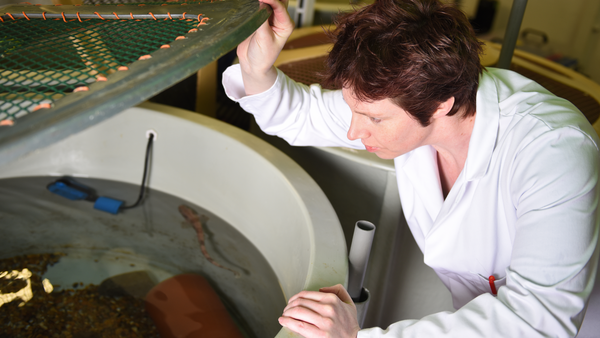
Research facilities
Our research facilities on campus include animal holding facilities, greenhouses, fresh and salt-water aquaria, an insectarium, molecular and analytical laboratories, and a state of the art genomics lab.

Science Teaching Hub
Our state-of-the-art Science Teaching Hub provides students with a digitally focussed environment including advanced analytical tools, research-grade equipment and flexible laboratory spaces.
Find out moreDiscover Uni
Discover Uni draws together comparable information in areas students have identified as important in making decisions about what and where to study. You can compare these and other data for different degree programmes in which you are interested.
Get in Touch
Contact Details
- Address
-
Student Recruitment & Admissions
University of Aberdeen
University Office
Regent Walk
Aberdeen
AB24 3FX