
Page 11 of 31Results 101 to 110 of 308, 21 February - 23 June 2022
-
Soil quality key to increasing crop production and resilience to climate change
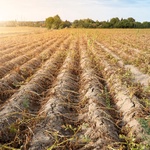
New research has found that high-quality cropland soils limit losses in response to warmer climates and support higher yields.
-
'Revolutionary' new Science Teaching Hub opened by renowned scientist and broadcaster

The University of Aberdeen's new £35 million Science Teaching Hub has been officially opened by renowned scientist and broadcaster Professor Chris Jackson.
-
Dr Jenna Ross receives OBE

Dr Jenna Ross, Honorary Research Fellow in the School of Biological Sciences, has been made an OBE in the Queen's Platinum Jubilee Birthday Honours list for her contribution to science and agriculture.
-
University research honoured at Herald Higher Education Awards

Research led by the University of Aberdeen has been honoured with a top accolade at this year's Herald Higher Education Awards 2022, held last night (Tuesday, 31 May) in Glasgow.
-
£2.4m legacy gift to fund PhDs in plant sciences

Applications are now open for four fully funded PhD studentships in plant sciences thanks to a generous legacy gift of £2.4m to the University of Aberdeen Development Trust from former students of the University.
-
Diseased dolphins at risk of starvation use muscles to survive

Diseased dolphin populations are using their muscles as an energy source to survive, a conservation study which analysed their metabolism has found.
-
Public invited to get their hands dirty as Festival of New Ideas grows
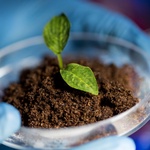
Two new events have been added to the programme for the inaugural Festival of New Ideas which takes place in Aberdeen on May 27 and 28.
-
'Marvellous Molluscs' project improves access to Nationally Significant collection
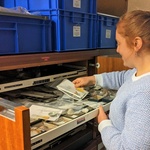
Improved access to one of the University of Aberdeen's nationally significant collections, has been achieved through the year-long 'Marvellous Molluscs Project', reigniting its use for learning and research.
-
Drones used to identify pregnant dolphins
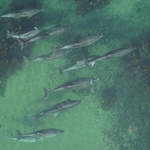
Researchers have found a way to remotely determine if protected female bottlenose dolphins are expecting a calf using aerial photos taken from drones.
-
Creativity in the classroom

A University of Aberdeen graduate who was inspired to reduce food waste has returned to the classroom to deliver a lesson in creativity and innovation to current students.