Who is involved?
The people who are involved in the CROSSROADS project can be found at the various themes.
- Economics and Communities
-
Euan Phimister - Professor of Development Finance (Stellenbosch University), Professor of Economics (University of Aberdeen)
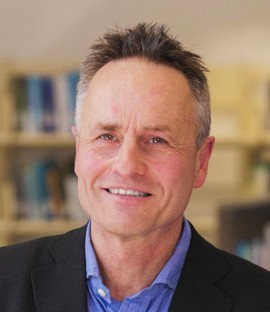
My broader research examines rural development, agriculture, and natural resource management with a strong focus on Sub-Saharan Africa and Ethiopia. Through interdisciplinary collaborations with soil scientists, ecologists, and environmental modellers, I have investigated how land restoration, energy access, and resource use affect household decisions and resilience.
Awde Moges - Coordinator and Researcher (Hawassa University)
My major research interest area is human nature interaction, with specific works on the assessment of soil degradation, local level participatory assessment, community perception and understanding of soil degradation and sustainable land management. I have the experience in soil degradation and restoration, qualitative data collection and analysis.
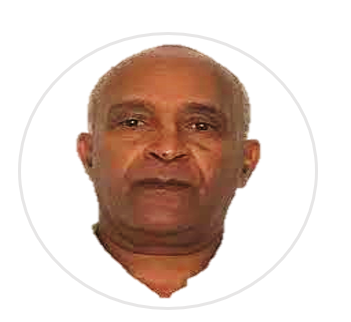
My primary involvement in CROSSROADS project is mainly with activities that require community and stakeholders’ engagements. These include CROSSROADS activities 1.2, 2.5, 3.1, 3.2, 3.3, 4.1 and 4.2.
Tirusew Teshale - Researcher (Hawassa University)
With experience in both qualitative and quantitative data collection using survey software, as well as research on socioeconomic, value chain, cost-benefit, and valuation analysis of natural and environmental resources, my primary role in the CROSSROAD-SSA project will focus on WP1.2, 2.5, 3.1, 4.1, and 4.2, specifically activities involving community engagement.
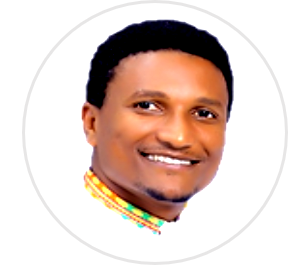
This includes identifying the traditional use of plants for land restoration through FGDs and workshops, collecting baseline and end-line data to assess the impact of underutilized plant species, and communicating the project’s outputs. Additionally, I will support the establishment of demonstration fields and case-study areas, and facilitate farmers' field days and workshops.
Yitna Tesfaye - Agricultural Economics (Hawassa University)
I have a background in agricultural economics and experience in socioeconomic research, value chain analysis, and cost-benefit assessments. My role in the CROSSROAD-SSA project will focus on WP1.2, 2.5, 3.1, 4.1, and 4.2. My contributions will center on community engagement, particularly in assisting the assessment of the role of indigenous knowledge in land restoration.
- Soil Health
-
Paul Hallett - Professor of Soil Physics (University of Aberdeen)
My past research spans from understanding the fundamental processes driving changes in soil physical properties by biology, through to applied research examining soil degradation and the underlying causes. Recent projects have studied the capacity of different plant root traits to physically engineer soil, crop selection impact on hydrological cycling, soil physical impacts on nitrogen fertiliser use efficiency, the better use of organic resources to improve soils and their capacity to produce food, and microplastic pollution in soil. This research has been conducted across the globe, especially in Ethiopia and China. I am President of the British Society of Soil Science.
Cecile Gubry-Rangin - Professor in Microbial Ecology and Evolution (University of Aberdeen)
Understanding ecological and evolutionary adaptation of microbial populations, especially those playing fundamental processes in soil ecosystems and sustainable agriculture, is the core of my research interest.
.jpg)
I will contribute to the soil health characterisation and below-ground soil biodiversity assessment in the CROSSROADS project.
Beth Evans - Postdoctoral Researcher (University of Aberdeen)
On the CROSSROADS project, I will measure soil health improvements associated with neglected and underutilised plant species (NUPS) in agroecosystems. My work will centre on the response of key soil biological health indicators to NUPS, reflecting the essential role that soil communities play in generating and sustaining vital soil-based ecosystem services. This will include characterising soil microbial communities and measuring changes in soil biological activity, such as basal respiration, associated with boundary-planted and scattered trees.
- Biodiversity
-
David Burslem - Director: Interdisciplinary Centre for Environment and Biodiversity (University of Aberdeen)
I am a plant ecologist with interests in the diversity, dynamics and conservation of plants in both natural and human-modified systems. Most of my research is conducted in tropical ecosystems where plants are particularly threatened by clearance for agriculture, habitat degradation and over-exploitation.
To derive solutions to these problems, I am motivated by opportunities for interdisciplinary engagement and working with local stakeholders.
On the CROSSROADS project, I will be involved in activities related to identifying target under-utilized plant species, characterising their functional traits and estimating their effects on ecosystem functions linked to soil health.
- System Modelling
-
Jo Smith - Professor of Soil Organic Matter and Nutrient Dynamics (University of Aberdeen)
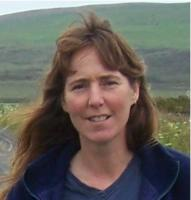
My role in CROSSROADS will be in WP1 to “Catalogue of underutilised plants in Ethiopia that could be used to improve soils and climate resilience according to scale of implementation, intended impact and geographical suitability”.
I will also use the data collected in WP2 to test and develop the ORATOR model. Finally, I will help develop key findings into tools and dissemination materials to achieve impact in use of side-lined species to improve soil health.
Grant Campbell - Research Fellow (University of Aberdeen)
As a dedicated researcher with a robust background in soil health modelling, I bring extensive experience working with diverse environmental datasets across the UK and Europe. This has been garnered through my involvement in the EU AI4SoilHealth initiative and other significant projects.
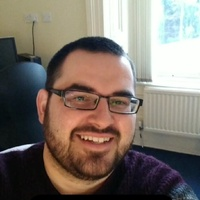
In the CROSSROADS project, my focus spans Work Packages 1.1, 1.3, and 3.1, where I play a pivotal role in advancing our understanding of soil health. My primary responsibility involves conducting a systematic review of underutilised plants, identifying and categorising them based on their potential to improve soil health.
In addition to my research duties, I actively contribute to the communication and dissemination of project outcomes. By developing and implementing tools and resources tailored to various stakeholders (WP 3.1.), I aim to ensure that our findings are accessible and impactful. Furthermore, I collaborate closely with Emma Fowlie to maintain and update the CROSSROADS website.
Rediet Girma - Researcher (Hawassa University)
My academic and professional background centers on understanding and addressing environmental challenges using geospatial tools and participatory field-based approaches, with a particular focus on soil erosion, land degradation, land use land cover change, soil analysis, hydrological modelling, and watershed management.
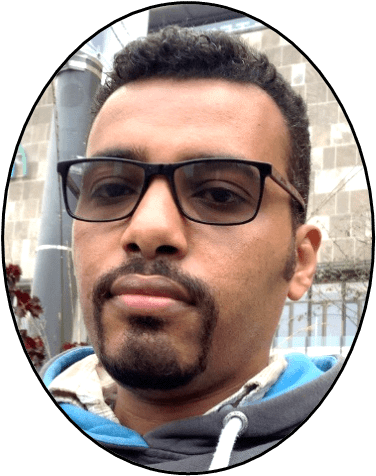
In the CROSSROADS-SSA project, I am involved in WP1.2, 2.1, 2.4, 3.1, 3.2, 3.3, 4.1, and 4.2. My role includes identifying and documenting underutilized plant species with ecological and livelihood values, assessing their environmental impacts, and supporting the establishment of field demonstration sites. I also contribute to the communication and dissemination of project outcomes to stakeholders at various levels.
- Soil and Water Conservation
-
Wolde Mekuria - Senior Researcher: Environment and Development (International Water Management Institute)
Wolde Mekuria is a senior researcher in Environment and Development at the International Water Management Institute (IWMI). With over 25 years of experience as a researcher, academician, and development practitioner, he specialized in landscape restoration, climate change adaptation, soil science, and natural resources management. Throughout his career, Wolde has contributed to research projects across Africa and Asia. In recent years, his research focused on examining nature-based and other solutions aimed at restoring degraded ecosystems and ecosystem services, enhancing agricultural productivity and livelihood diversification, increasing climate change adaptation and mitigation efforts, and reducing the vulnerability of local communities due to natural hazards such as drought and floods.

Wolde has extensive experience collaborating with diverse partners, individuals, and groups from diverse cultural and professional backgrounds. He is also skilled in fundraising, strategic planning, project monitoring and evaluation, and student supervision. With a strong track record of publishing peer-reviewed articles on biophysical, social, economic, and hydrological aspects of land and water resource management, he has made significant contributions to sustainable landscape management in Africa and agricultural land management in Southeast Asia, generating science-based evidence to inform decision-making.
As part of the CROSSROADS project, Wolde will lead WP1 – Catalogue and play a key role in WP2 – Characterise. He will also contribute to WP3 – Package, and WP4 – Disseminate.
Alemseged Tamiru Haile - Senior Researcher: Hydrology and Hydrological Modelling (International Water Management Institute)

- Food/Feed
-
Getahun Yakob - Deputy Director and Natural Resource Research Director (Central Ethiopia Agricultural Research Institute)
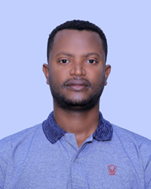
I have a background in Soil Science with extensive experience in agroforestry and soil fertility management through research projects in Ethiopia. I previously led the Natural Resources Research Directorate at the Southern Agricultural Research Institute. Currently, I serve as a Senior Researcher and Deputy General Director at the Central Ethiopia Agricultural Research Institute.
Within the CROSSROADS project, I will be involved in activities that engage local communities to document traditional knowledge on the use of plants for restoring degraded soils. I will also lead field trials to assess the impacts of underutilized plant species on food and feed production
Amare Haileselassie - Principal Researcher - Agricultural Water Management and Environment (International Water Management Institute)

- Gender and Social Inclusion
-
Ojongetakah Enokenwa Baa - Postdoctoral Fellow (International Water Management Institute)
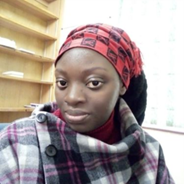
Mengistu Dessalegn Debala - Senior Researcher - Gender and Social Inclusion Expert (International Water Management Institute)
(picture TBC)
Likimyelesh Nigussie Woldegiorgis - Senior Research Officer - Gender and Social Inclusion (International Water Management Institute)

- Climate Resilience
-
Pete Smith - Professor of Soils and Global Change (University of Aberdeen)
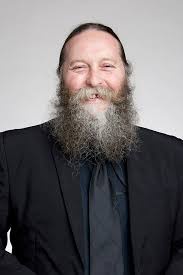
Having worked on climate change mitigation and resilience to climate change for over 30 years, my main role on CROSSROADS will be on WP2.6 “Climate Resilience”. I will help the team to assess the climate resilience of proposed interventions, particularly with respect to soil health, soil erosion, water conservation and whole-farm resilience. My other role on CROSSROADS will be to promote our outputs through high-level international assessments, such as those by UNEP, the IPCC and IPBES.
- PhD Projects
-
Dominik Bittner: PhD on Nature-based Solutions for Restoration of Degraded Soils in Sub-Saharan Africa

I research how Artificial Intelligence (AI) can be used to assess the impact of nature-based solutions on soil health. My work has spanned several AI-focused research projects, including generating synthetic multispectral images for autonomous forestry vehicles, analysing physiological data and video to infer affective states, and exploring how AI and eye tracking can enhance student learning. For my PhD, supervised by Prof. Jo Smith and Prof. Georgios Leontidis, I develop AI methods to evaluate soil health, the effects of nature-based solutions, and their influence on the livelihoods of Ethiopian farmers. This research supports multiple work packages within the CROSSROADS project.
Kate Whitehouse: PhD on root traits and their influence on controlling erosion resistance in soils
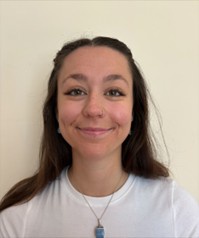
Jacques Holford: PhD on how indigenous Ethiopian plant species affect soil biophysical properties and drought resistance
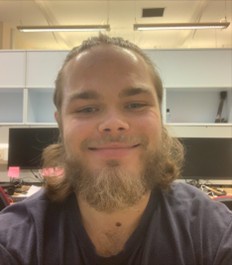
Abdul Walid Salik: PhD on Erosion, Soil Structure Dynamics and Organic Carbon Inputs
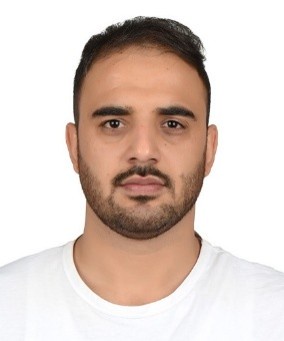
I investigate how soil organic carbon and plant-derived inputs influence soil mechanical and hydrological properties, aggregate stability, and resistance to erosion, with the aim of developing evidence-based approaches to improve soil health and resilience. Within the CROSSROADS project, my research integrates field and laboratory experimentation with digital soil mapping and spatial modelling to understand soil erosion and degradation across diverse landscapes and identify pathways for more sustainable land management. My research brings together soil science, erosion, and hydrology to examine how plant species and organic carbon dynamics can contribute to soil restoration, ecosystem resilience, and sustainable land management. Also, in collaboration with my supervisory team and Ethiopian scientists, I designed, funded, and built a custom laboratory rainfall simulator with runoff troughs from scratch at Hawassa University, Ethiopia, using allocated PhD research funds. This experimental infrastructure enables controlled investigation of soil erosion and runoff and provides a platform for generating robust evidence to inform soil and water conservation, restoration, and sustainable land management strategies. My academic journey to date has included a BSc in Agronomy from Kabul University, Afghanistan, followed by an MSc in Agricultural Engineering from the Hungarian University of Agriculture and Life Sciences, Hungary, and postgraduate coursework in Irrigation and Water Management at Ondokuz Mayıs University, Türkiye. I am currently pursuing a PhD at the University of Aberdeen, United Kingdom.
- Project Management and Useful Resources
-
Emma Fowlie - CROSSROADS Project Manager (University of Aberdeen)

Jeanne Biegel (Dijon, France) - Review of tests to help improve soil health understanding
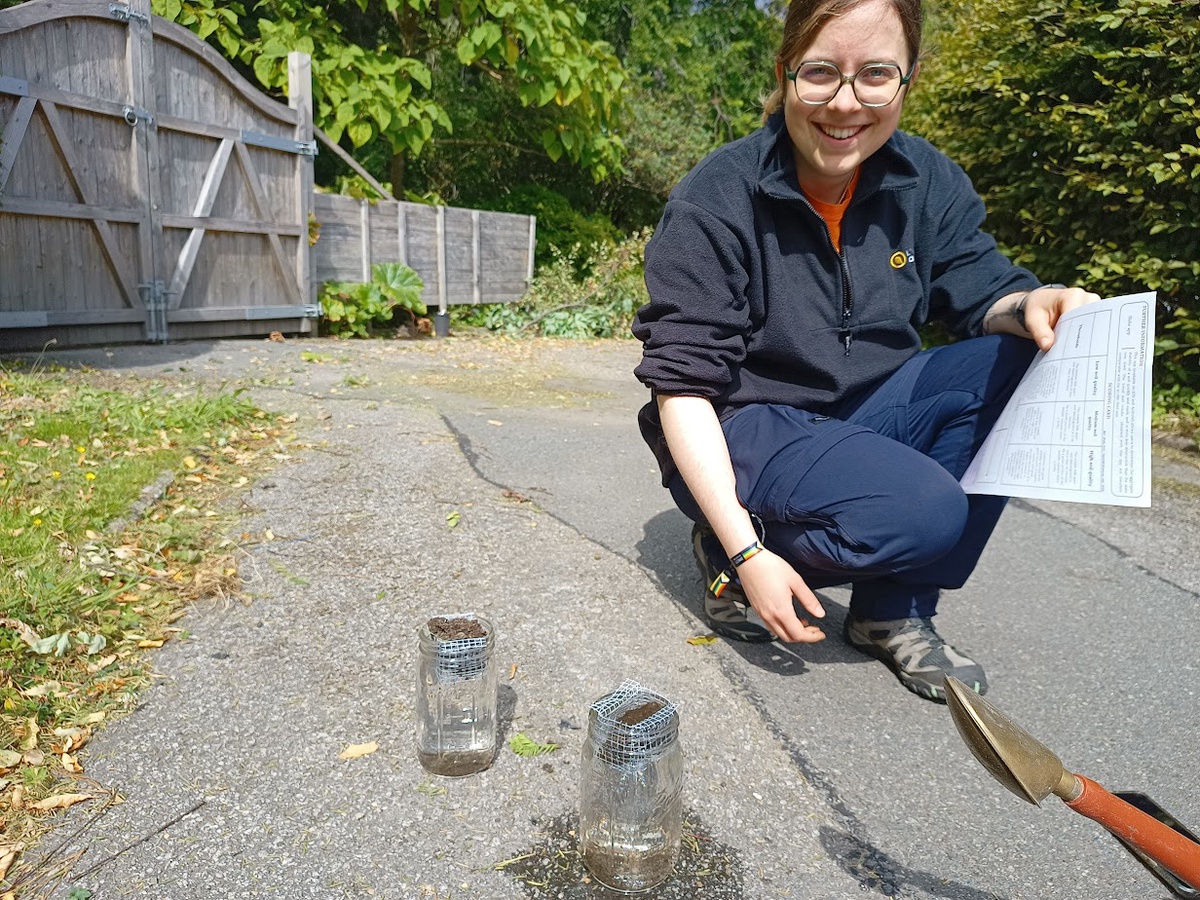
Having arrived from France (Institut Agro Dijon) in mid-April 2025, I joined the CROSSROADS project on a temporary basis for the duration of my internship, under the supervision of Professor Pete Smith, which lasted a total of 18 weeks.
During these few weeks, I was able to carry out some research to create a kit to assess soil health in Ethiopia. In addition to this kit, which will ultimately be presented in the form of a heat map, I was also able to produce 2-page protocol sheets for each of the tests which are part of the kit, providing a useful future resource for adoption by farmers in Ethiopia.
Lucie Belichard (Strasbourg, France) - Developing a biodiversity toolkit for Ethiopian farmers
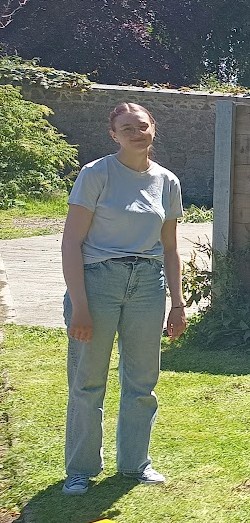
Originally arrived from France (ENGEES – Ecole Nationale du Génie de l’Eau et de l’Environnement de Strasbourg), I took part in the CROSSROADS project during a four-month internship from May to August 2025, under the supervision of Dr Grant Campbell.
My work focused on developing a biodiversity assessment toolkit for Ethiopian farmers. This involved conducting a literature review, selecting relevant low-cost tests and testing several of them in Scotland. The final outputs included a visual toolkit booklet and protocol sheets to support biodiversity monitoring.