Research team
The following personnel are the research team members of the project:
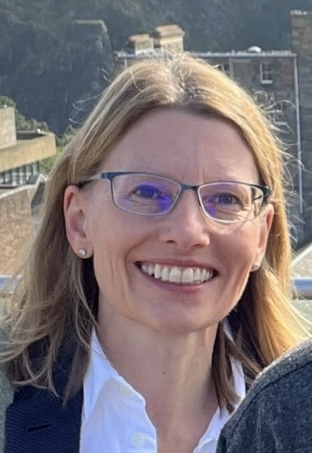
- Dr Anita Laidlaw
-
I am the principal investigator for this project. I oversee the project and am responsible for ensuring the project keeps to the timeline and has the appropriate approvals in place. I attend all the advisory board and oversight committee meetings and chair the regular research team meetings. My background is in behavioural science, and I’ve been involved in medical education and health professions education research for over 20 years. My main research interests are around wellbeing at work and embeddedness in occupations and roles - in essence, what keeps us happy and enthused in our work. This is the reason I wanted to conduct this research, and I’m excited to see the project moving forward.
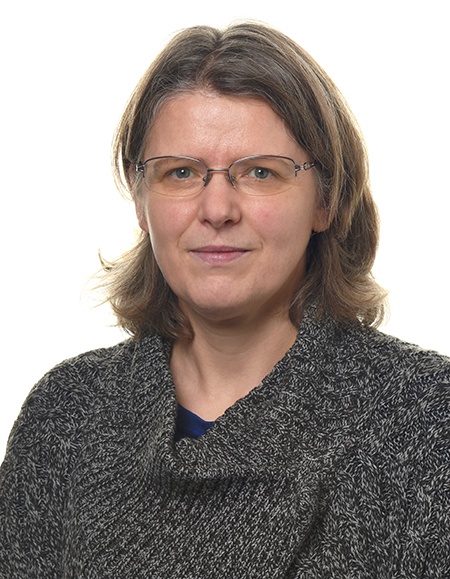
- Dr Haci Bayram Yilmaz
-
As a member of the assessment team at the University of Aberdeen School of Medicine, I am particularly interested in understanding how educational and professional systems can unintentionally create barriers for underrepresented groups. This project brings together my interests in fairness, equity, diversity, and inclusion with my experience in educational measurement and data analysis. By exploring the experiences and career progression of doctors with disabilities, I hope to contribute evidence that supports more inclusive and equitable environments in medical education and healthcare.
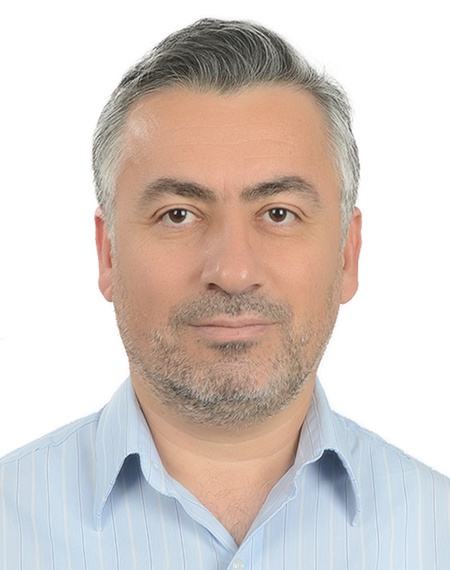
- Dr Grainne Kearney
-
My name is Dr Grainne Kearney and I am an academic GP based at Queen’s University, Belfast. This means I spend half my week working as a GP in Northern Ireland and the other half in Queen’s medical school, educating (and researching the education of) the next generation of doctors. The pragmatic answer to the question “why am I involved with the project?” might seem to be that I have expertise in ‘Institutional Ethnography’, the research approach in Workstream 2 which priorities the experience and expertise of individuals in their own lives. But for me, as someone who works with both medical students and healthcare practitioners in all their diversity, I truly value the experience and expertise that doctors with disabilities/disabled doctors bring to the workforce and look forward to what I can learn from them in this work.
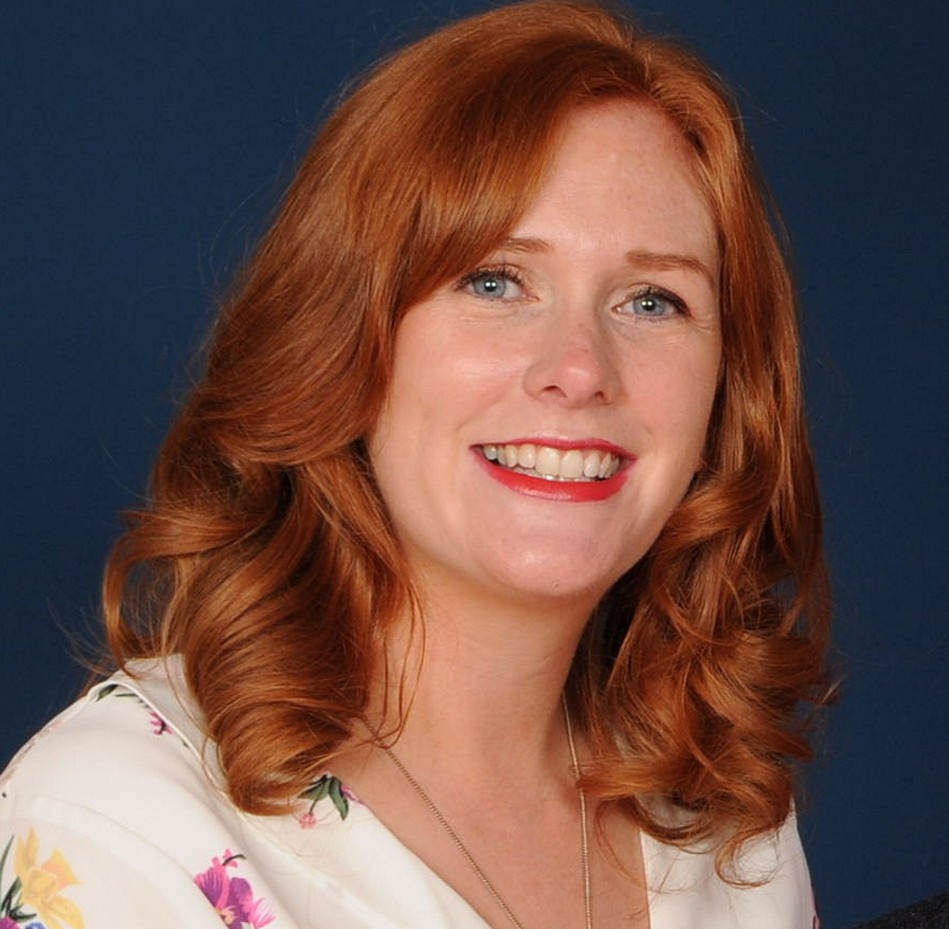
- Prof Iain Atherton
-
Iain is Professor of Nursing and Data Science and an ADR Scotland lead for health and social care. His research uses routinely collected data to address key questions in health and the healthcare workforce. His work includes establishing a flagship dataset linking nursing and midwifery registration data with the 2021 Census for England, enabling insights into the influence of social factors on these professions. His expertise will contribute to analysis of the UKMED dataset, helping to improve understanding of disability and its implications for the medical profession.
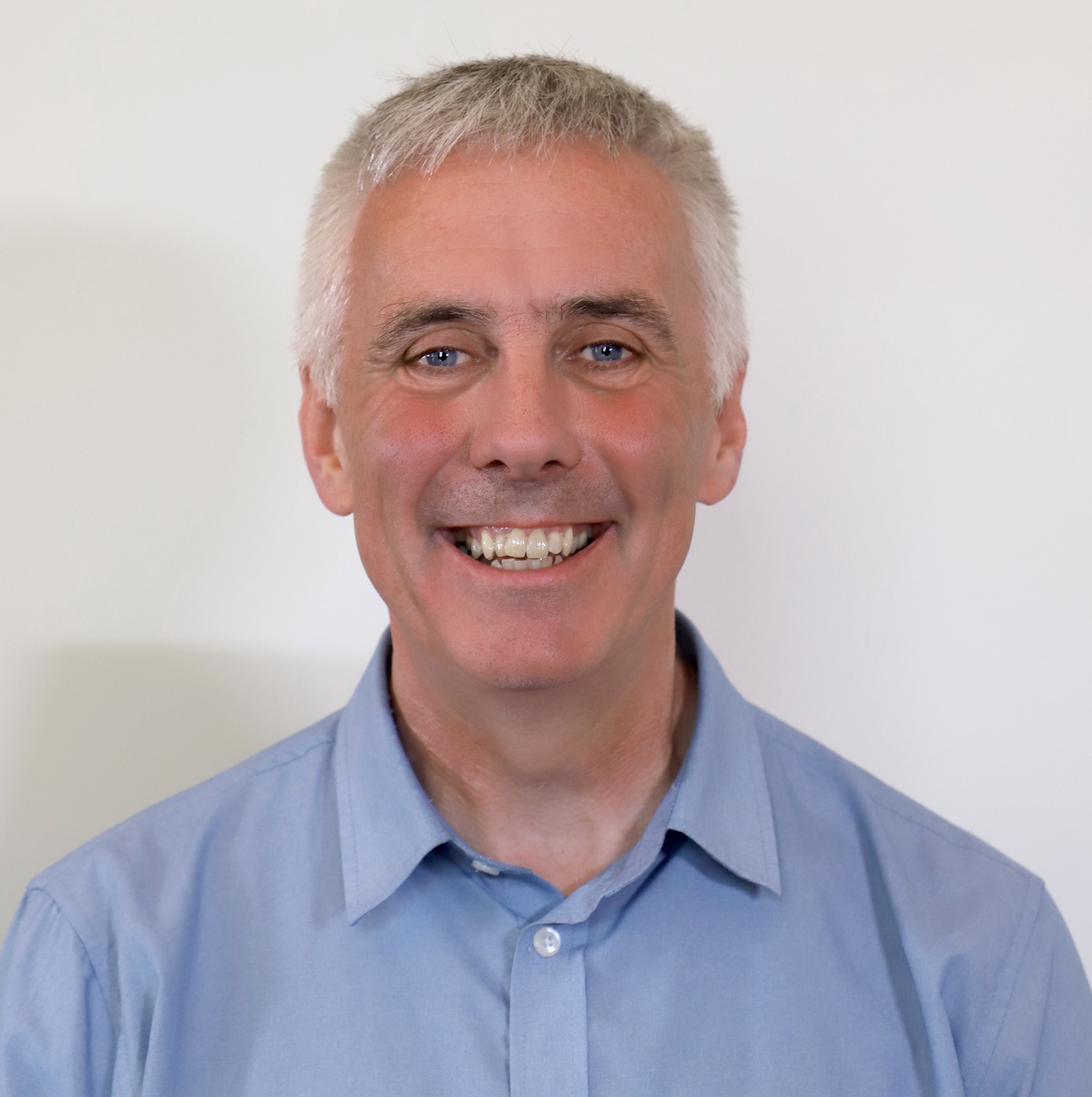
- Dr Damla Harmanci
-
I am the research fellow for the Institutional Ethnography workstream (WS2), responsible for conducting interviews and workplace observations. I am also involved in the participatory aspects of the research, organising and facilitating Advisory Board and Oversight Committee activities. I bring a background in sociology and social science to the research team. I feel privileged to carry out the on-the-ground work for this research, speaking with and learning from people who are experts in what they do. I am involved in this project because it aligns with my personal values around equality and diversity, as well as my professional interests in the social dimensions of medicine and healthcare.
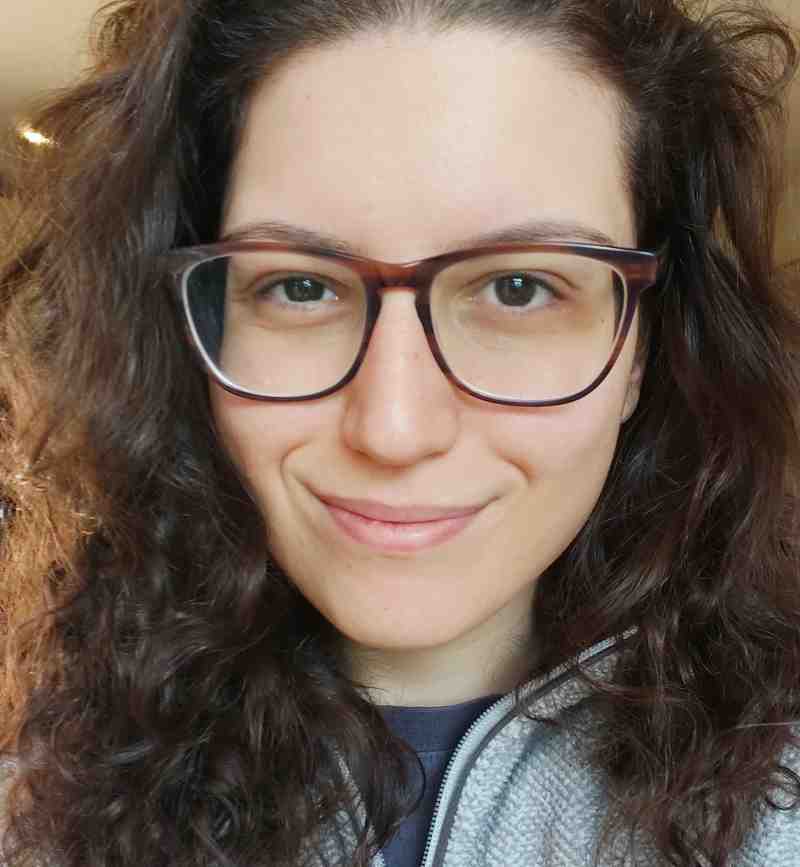
- Dr Kathrine Gibson Smith
-
I am involved in this project because, as a researcher, I am passionate about being involved in research which is driven by a commitment to equity and which has the potential to generate evidence which leads to actionable change. There is a lack of research in the UK which captures the experiences of doctors with disabilities in the NHS and I hope that this project will go someway in helping develop a picture of this, and ultimately, drive change.
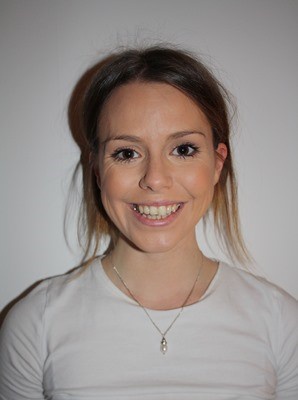
- Dr Ergün Kara
-
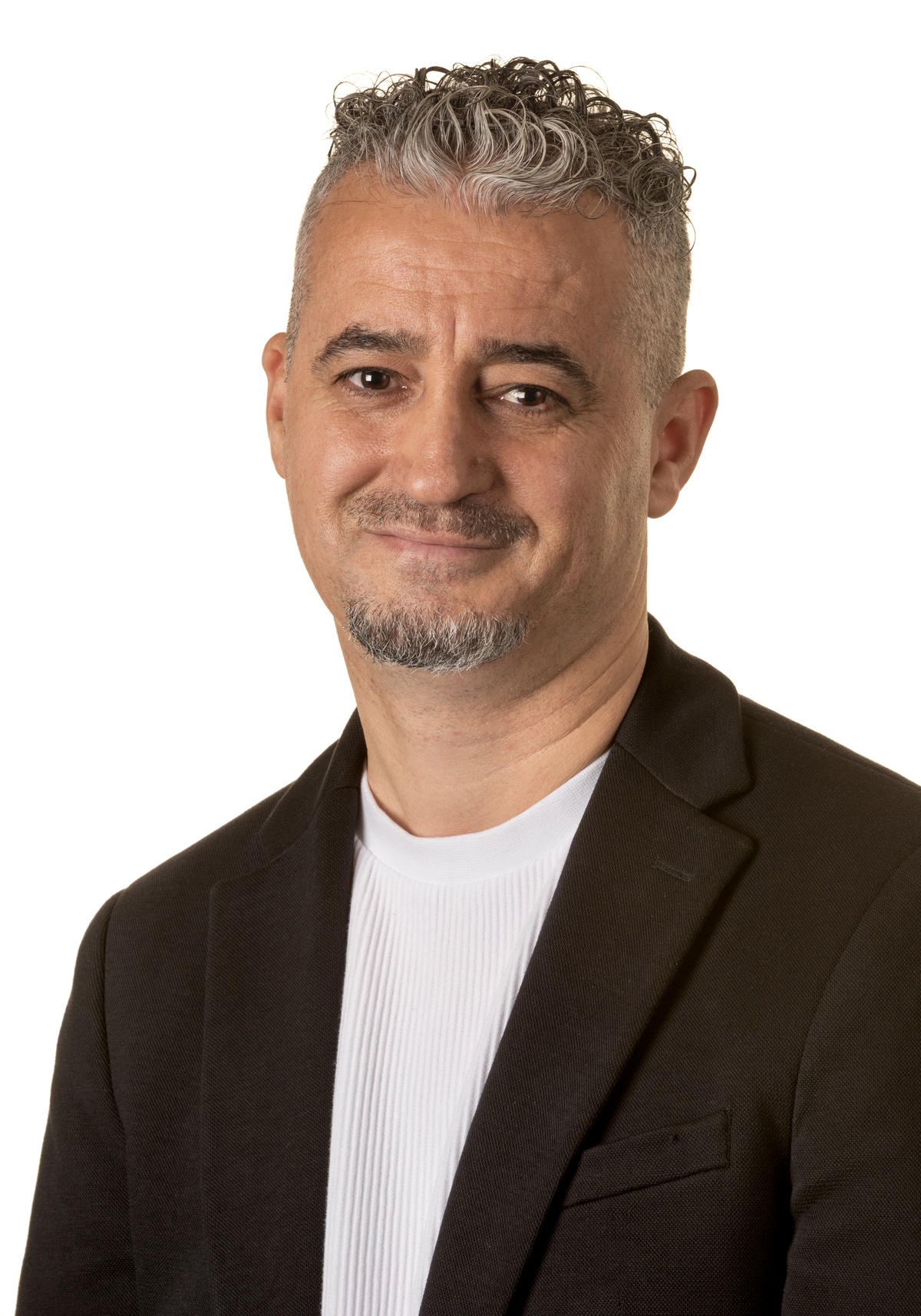
Research Fellow, University of Aberdeen (CHERI)
Dr Ergün Kara is a Research Fellow at the University of Aberdeen's Centre for Healthcare Education Research and Innovation (CHERI), working on the NIHR-funded UKMED project. His research applies network psychometrics, classical and Bayesian multilevel modelling, and longitudinal analysis to medical workforce careers, adolescent mental health, and educational systems.
In psychological counselling, he specialises in adolescent mental health, cognitive-behavioural approaches, and scale development for clinical and educational contexts.
In applied AI, he develops LLM-assisted research pipelines and agentic workflows for academic work.
Email: ergun.kara@abdn.ac.uk
- Dr Joanne Cecil
-
I am thrilled to be part of this team working on such a critically important project. As a lecturer in the School of Medicine at the University of St Andrews, I train medical students and conduct research. I have over 20 years’ experience as a behavioural scientist conducting research focussed on health behaviours and wellbeing. I have considerable experience of supporting medical students, in my role as disabilities officer in the School of Medicine. My role on this project is co-lead for workstream 1, and this work involves secondary analyses of the UKMED database to examine career path obstacles for doctors with disabilities. I am involved in this project because it aligns closely with my expertise as well as my longstanding commitment to supporting medical trainees and doctors with disabilities to succeed in medicine. Doctors with disabilities often face barriers in training and career progression. Our research will help us better understand those challenges and identify ways to create a more inclusive and supportive healthcare environment, which will ultimately benefit patient care.