Page 7 of 38Results 61 to 70 of 374, 19 November - 19 December 2025
-
Aberdeen welcomes news of joint framework to secure the future of Scotland's universities

The Scottish Government and Universities Scotland have announced the launch of a new, joint process that will co-design a framework for a successful and sustainable future for Scotland's universities for the next 20 years.
-
New research identifies role of autism genes in early brain development
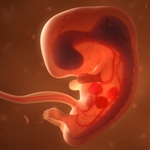
A team of researchers from the University of Aberdeen has uncovered, for the first time, how genes linked to autism and intellectual disability may influence early brain development.
-
University of Aberdeen leads charge to break barriers for disabled doctors

A new project led by the University of Aberdeen will explore the challenges that doctors with disabilities* face when trying to progress in their careers.
-
University of Aberdeen excellence in life sciences supports four Scottish EDGE winners
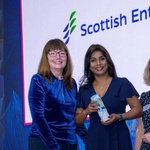
Excellence in life sciences at the University of Aberdeen has supported four projects to secure prizes worth £260,000 at this year's Scottish EDGE Awards.
-
Human rights centre stage as Aberdeen nutrition scientist takes chair of Scottish Food Coalition

A leading Aberdeen University food systems scientist is to steer a push to enshrine the right to food and a healthy environment in Scottish law.
-
University of Aberdeen helps to make cancer screening more accessible to 'under-served' groups

New research from the University of Aberdeen and the Grampian Regional Equality Council (GREC) has outlined ways to make cancer screening services more accessible to people who may be 'under-served' by the healthcare system.
-
Shake-up of services needed to ease fibromyalgia pain

People frequently waiting years to be 'taken seriously', postcode lotteries for access to care and a general lack of knowledge are among some of the key findings from a University of Aberdeen investigation into fibromyalgia care.
-
From spuds to skincare: Turning potato waste into skincare gold
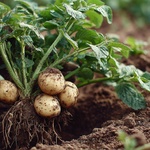
Scientists from the University of Aberdeen are part of a team looking to turn potato waste into high value compounds that can be used for cosmetics, pharmaceutical and nutraceutical products.
-
Scottish asthma charity celebrates placement success with University of Aberdeen

The Asthma and Allergy Foundation (AAF), Scotland's only dedicated asthma charity, is celebrating another successful year of partnership with the University of Aberdeen through its Work-Based Placement Programme, an academic initiative designed to bridge classroom learning with real-world experience.
-
Serious pregnancy complications 'dramatically reduced' in HPV vaccinated women
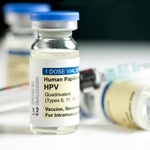
Pregnant women who were vaccinated against Human Papillomavirus (HPV) at school are less likely to experience serious pregnancy related complications according to University of Aberdeen research.