
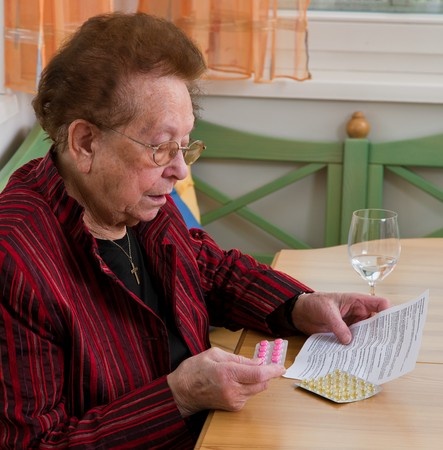

A new study will explore chronic pain prescribing in older adults around the UK, with the aim of highlighting the extent of the population impacted and whether current treatments and processes meet their overall needs.
The National Institute for Health and Care Research (NIHR) funded HOPE-AO project is being led by the University of Plymouth in collaboration with the University of Aberdeen and other partners.
Around four million older people across the UK live with varying degrees of chronic pain as a result of conditions including arthritis, diabetes or frailty.
But while some people benefit from being prescribed analgesic medicines for pain relief, many end up receiving long-term repeated prescriptions – for medications ranging from paracetamol and ibuprofen, to opioids and antidepressants for weeks, months or even years at a time.
The HOPE-AO project will investigate whether certain groups of the older population are prone to overprescribing and any side effects or other harms these medications can pose if taken for long periods.
It also aims to identify alternative treatment solutions to reduce the use of unnecessary analgesic pain medicines, working with patients to develop a list of acceptable strategies that could be tested and implemented across the UK.
The project is being led by researchers from the University of Plymouth, working with colleagues at the University of Exeter, Aston University, University of Aberdeen, and the North East London Foundation NHS Trust. It is funded by through a Programme Development Grant from the National Institute for Health and Care Research (NIHR).
The project team comprises experts in the care of older people – including healthcare researchers, nurses, consultants, GPs, pharmacists and psychiatrists working across the UK – as well as medical statisticians and health economists. It also involves an advisory group of patients with lived experience of receiving repeat prescriptions for pain medication.
During the project, the team will speak to patients aged 65 and over with a history of chronic pain for which they are taking, or have taken, analgesic medication, and families who cared for and supported relatives with chronic pain.
They will also engage healthcare professionals who are either prescribing or supporting older adults taking analgesic medication for chronic pain management.
Alongside this work, the team will conduct a wide-ranging statistical analysis of anonymised healthcare data, to understand more about older adults who are prescribed medication for chronic pain. This includes patterns in prescribing, health and demographic factors associated with pain medication use, and potential health outcomes, and will help identify those likely to benefit most from support.
Patricia Schofield, Professor of Clinical Nursing at the University of Plymouth and one of the study’s Chief Investigators, said: “Very often, older people are told by a doctor that the most effective means of treating a health condition is through some form of pain relief. But they often don’t get any form of follow-up appointment and, as a generation, are less likely to seek one as they either feel pain is part of the ageing process or they don’t wish to be seen as a burden. The result is that they end up getting repeat prescriptions, potentially for pain medications they no longer need and also at significant cost to the NHS. This study will give us a clearer understanding of the scale of the issue which we can use to develop ways of benefitting patients and their families, and the healthcare professionals working to treat and support them.”
Professor Phyo Myint, Chair in Old Age Medicine (Clinical) at the University of Aberdeen who is leading the Aberdeen-arm of the project added: “Chronic pain is really common in older age and this work will provide foundation to further develop programmatic work which will be relevant to older people, healthcare professionals, service providers and policy makers. We are delighted to be part of this exciting programme development award from the NIHR”
Dr Carrie Stewart, Research Fellow at the University of Aberdeen added: “This is a wonderful opportunity for us to be involved in this innovative project which tackles an important issue in the care of older people; reducing harms from medicine use. Chronic pain is a difficult condition to live with and complex to manage. Through understanding the views of all who are affected by this, we can identify where potentially harmful medicines can be safely stopped, and identify where risks can be better managed or monitored, to improve the care, health and wellbeing of older people across the U.K.”
Rajinder Flora, Assistant Director of NIHR Programme Grants for Applied Research, said: "We are pleased to fund this important project investigating the impact of overprescribing in older adults living with chronic pain. We're proud to support research that brings together a range of expertise to improve care and help to save money for the NHS.”
Victoria Abbott-Fleming MBE, founder of the charity Burning Nights CRPS Support, is the Chair of the Patient and Public Involvement and Engagement group for the HOPE-AO study. It will be made up of several adults over the age of 65 who live with chronic pain, and have received repeat prescriptions for pain medication.
Victoria has herself lived for more than 20 years with a chronic pain condition, Complex Regional Pain Syndrome (CRPS), and set up Burning Nights to support those affected by it on a day-to-day basis and their families. She is also Chair of the Expert Patient and Carer Committee at the British Pain Society.
She said: “I’m excited to support this study that places the voices of older adults and their carers at the heart of pain management. All too often, those living with chronic pain – especially older adults – are prescribed medication without regular review or consideration of alternative approaches. This study is a vital step towards more informed and balanced care, helping ensure that older people living with chronic pain are not just treated, but truly heard and supported.”