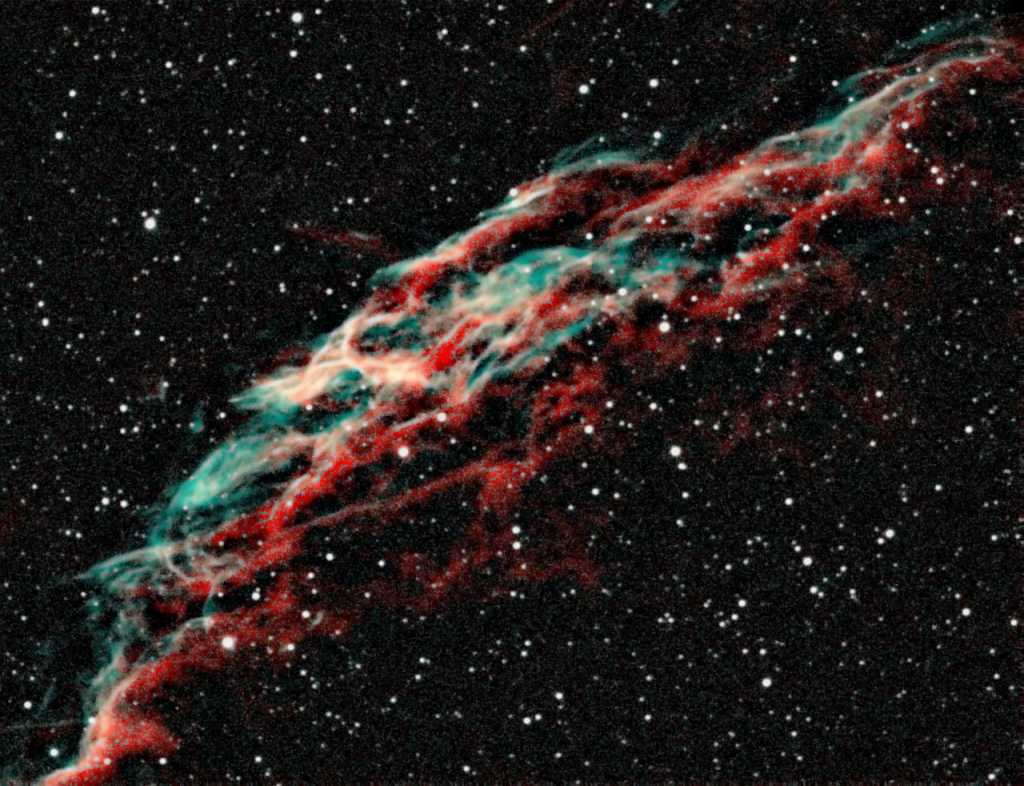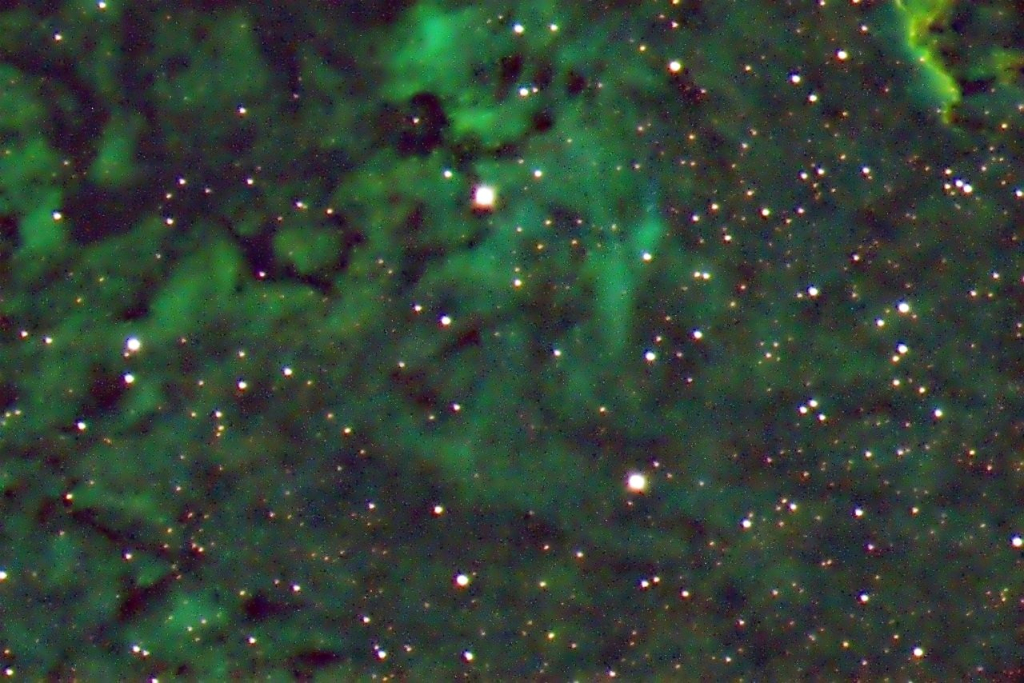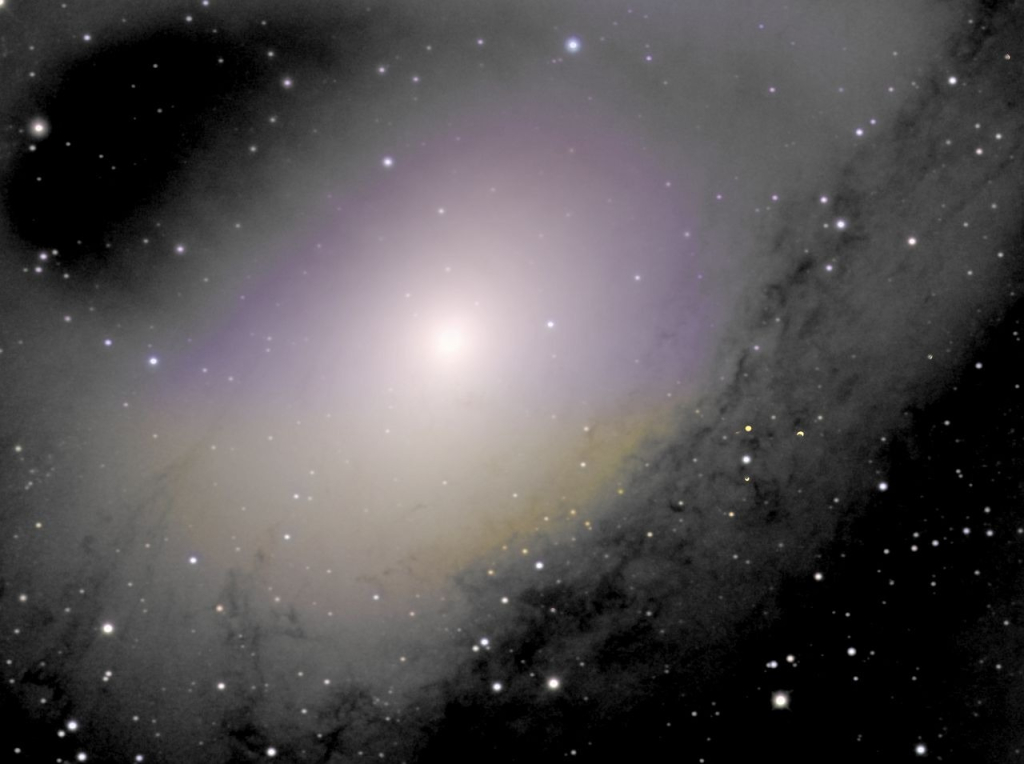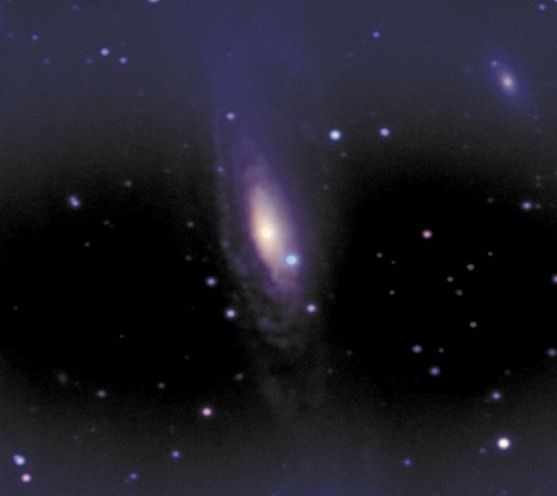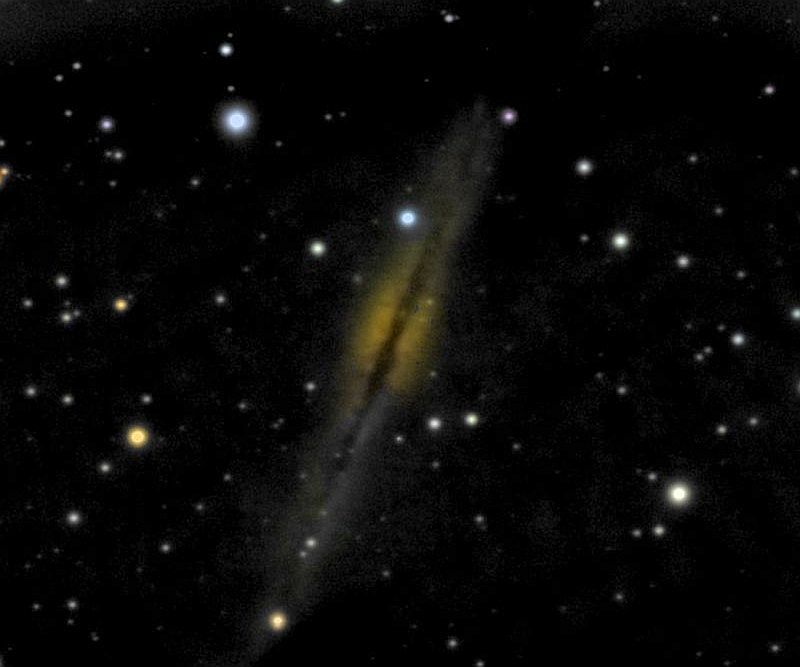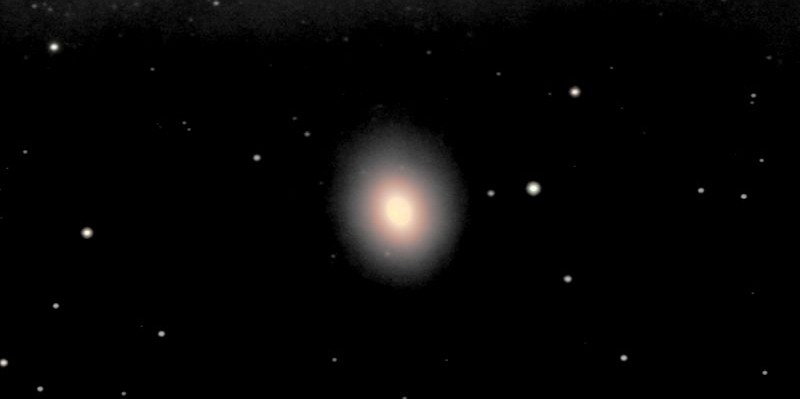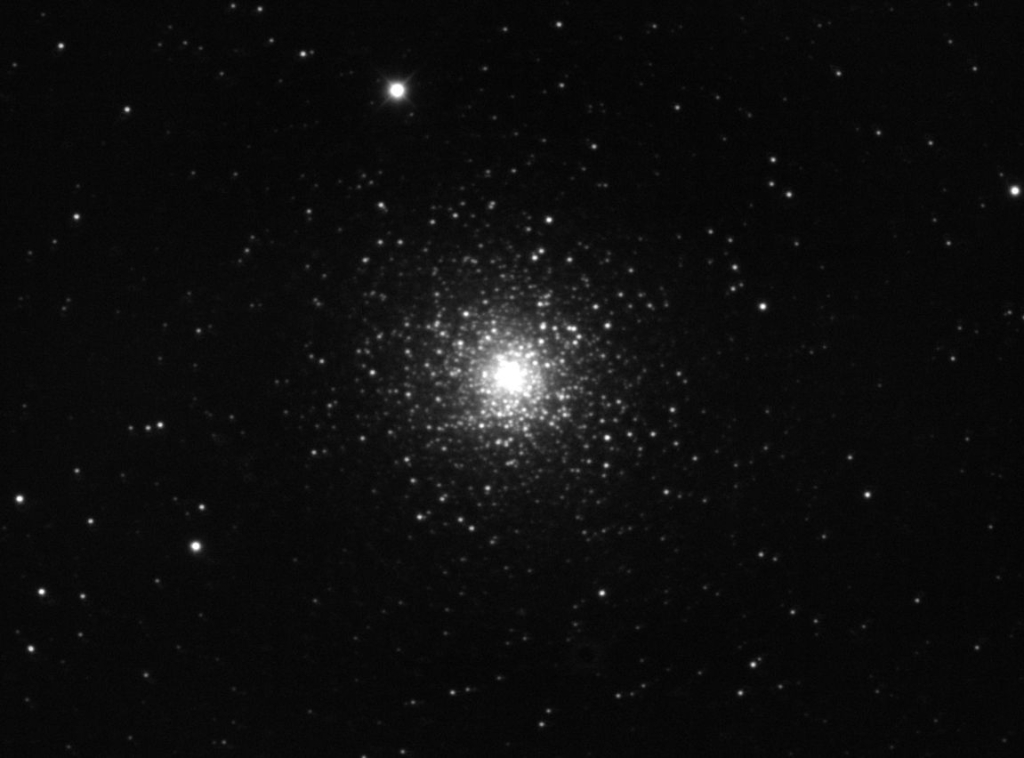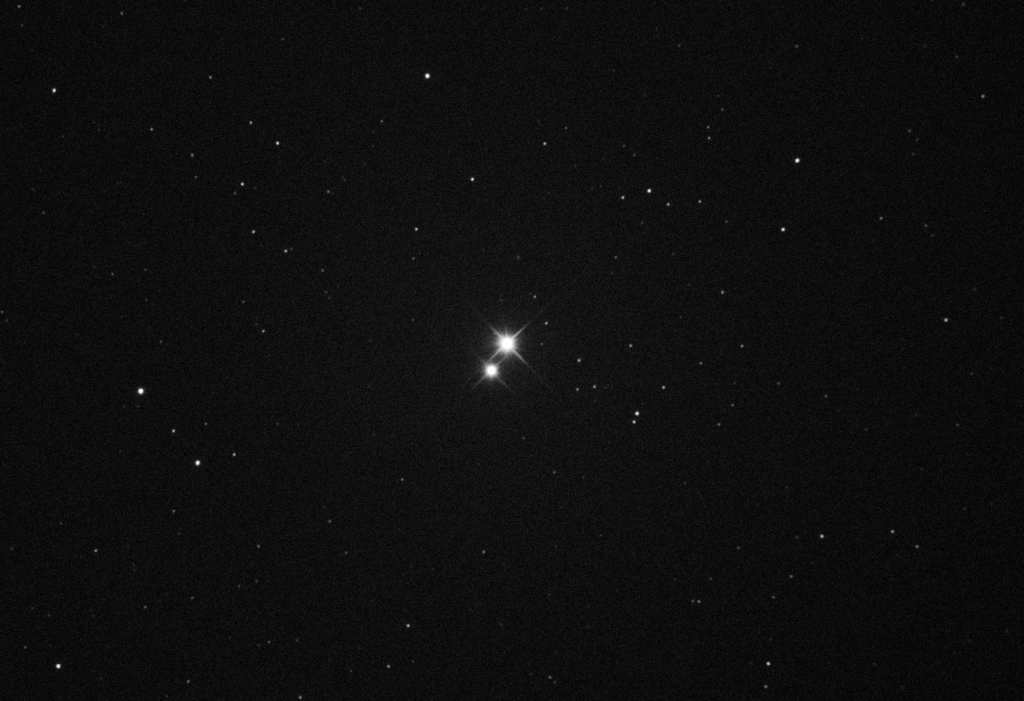
Welcome to the astro-imaging album of the Anne H Cruickshank Observatory (ACO) at the University of Aberdeen. Every picture here was taken with the John Cruickshank Telescope (JCT), a 16-inch reflecting telescope, and was made by ACO AI, the observatory's artificial-intelligence operator. Using autonomous navigation, it steered the telescope to each target, checked its aim by matching the stars in the image against a star map, and took the exposures itself.
Faint objects such as glowing gas clouds are far too dim to show up in one short exposure. So ACO AI takes several and stacks them, adding them together to bring out fine detail and reduce the graininess. The camera is black-and-white to capture more light, so colour comes from taking separate exposures through coloured filters and combining them.
Several styles of colour picture appear in the album. Narrowband images use filters that pass only the light from particular glowing gases: hydrogen, oxygen and sulphur. In the Hubble palette (SHO) each gas is given its own colour, a false-colour view of where each one sits in the cloud. Astronomers have used this technique on many of the Hubble Space Telescope's best-known pictures. In the Natural palette the gases are shown closer to the colours they really glow, with hydrogen red and oxygen blue-green.
Galaxies and star fields are more often shown as LRGB composites: red, green and blue (RGB) Bessel broadband filters capture true colour - cool orange stars, hot blue stars, the warm core and cooler outer disc of a galaxy - while a separate, sharper set of unfiltered exposures supplies the luminance (L): the fine brightness detail and structure. The two are then fused, colour from the RGB data and detail from the L data, giving a picture that is both naturally coloured and crisply resolved.
For a few targets the two approaches are blended together into a hybrid composite: an LRGB image with a touch of narrowband data (usually hydrogen-alpha) mixed in to bring out a feature broadband colour alone can't show, such as a galaxy's star-forming outflow. Images captured without filters stand on their own too, shown in monochrome. Each image has a caption saying what it shows, roughly how far away the target is and how it was made.
Image: Charles Wang/ACO AI
Page 3 of 4Images 19 to 27 of 28 | View All