
Introduction
Rewilding and Nature Recovery are essential for a biodiverse future. Learn where, why and how we can reverse catastrophic declines in biodiversity through Rewilding and its ambitious nature recovery measures. Our distinctive interdisciplinary programme will equip you to think deeply and critically about Rewilding as a nature recovery and land management strategy while providing the skills and experience of on-the-ground Rewilding essential for your career.
Study Information
At a Glance
- Learning Mode
- On Campus Learning
- Degree Qualification
- MSc
- Duration
- 12 months or 24 months
- Study Mode
- Full Time or Part Time
- Start Month
- September
- Location of Study
- Aberdeen
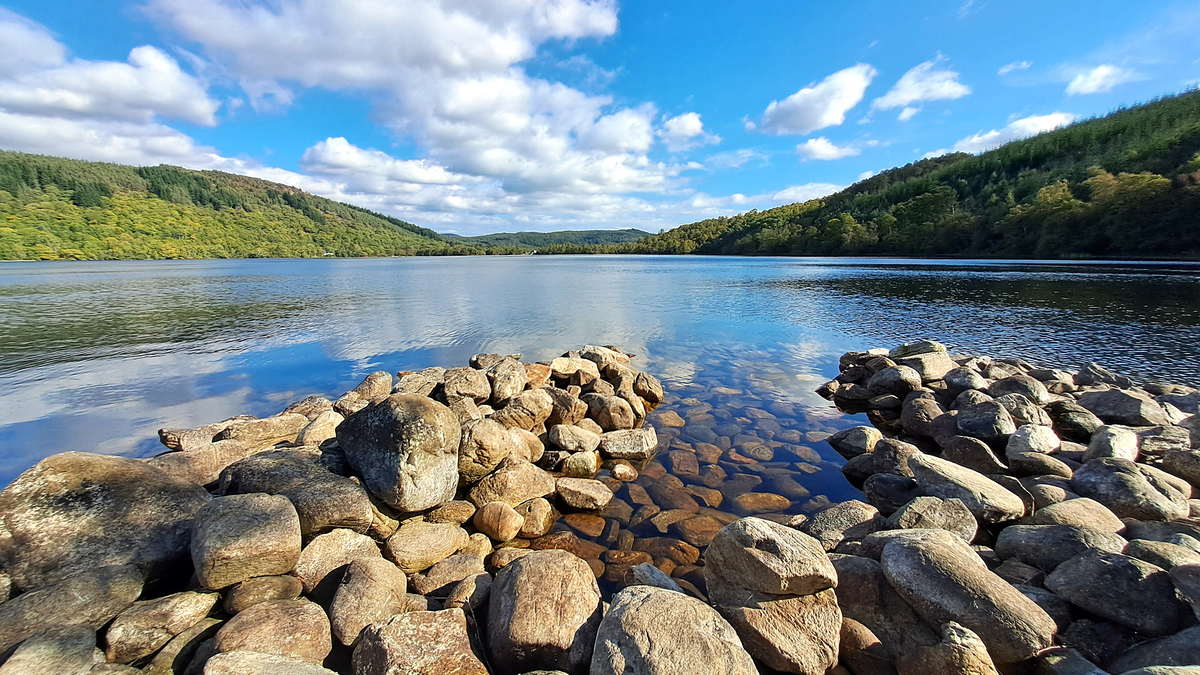
The MSc in Rewilding and Nature Recovery offers training in the practical elements of rewilding and related nature recovery techniques grounded in a deep exploration of the debates and science behind rewilding. You will explore how rewilding might be the best available approach to halt catastrophic declines in biodiversity and the challenges it faces to achieve this. You will learn from diverse perspectives about how humans have impacted nature (for better and worse) and what rewilding can do to address that in a range of different contexts. Those perspectives will be drawn from around the University and beyond, including ecology, conservation, social science, archaeology, history and other humanities.
The programme takes advantage of Aberdeen’s unique position in northern Scotland, which is at the cutting edge of rewilding, with numerous major rewilding initiatives within a short distance from campus. Fieldtrips and residential fieldwork to these rewilding projects will get you first-hand experience of rewilding in action. This will offer invaluable experience and chances to develop professional networks in rewilding.
This MSc offers distinctive pathways that will guide you towards different career trajectories in Rewilding:
- Sustainable Land Management: for those interested in careers focused on the business and practice of managing land in nature-positive ways. On this pathway, you will learn about the politics and economics of sustainability and nature-positive futures alongside the practical means for how to achieve them.
- [from Academic Year 2027/28] Ecology and Biodiversity: for those interested in careers in nature conservation and environmental science. On this pathway, you will learn the ecological science that underpins rewilding and how it can be usefully applied across different conservation contexts.
What You'll Study
Please contact us via the Enquire Now form for more information about this programme.
We will endeavour to make all course options available. However, these may be subject to change - see our Student Terms and Conditions page. In exceptional circumstances there may be additional fees associated with specialist courses, for example field trips.
Fees
- UK
-
- Tuition Fees for 2026/27 Academic Year
- £10,000
- Tuition Fees for 2026/27 Academic Year (University of Aberdeen Graduates *)
- £7,000
-
University of Aberdeen graduates are eligible for the Alumni Postgraduate Scholarship, reducing tuition fees to £7,000 - matching the current SAAS tuition loan - See full terms and conditions
- EU / International students
-
- Tuition Fees for 2026/27 Academic Year
- £22,000
- Tuition Fees for 2026/27 Academic Year (Self-funded Students *)
- £14,000
-
The above fee includes the £8,000 Aberdeen Global Scholarship provided to self-funded international students. Full terms and conditions apply.
Fee Information
Scholarships
All eligible self-funded international Postgraduate Masters students will receive an £8,000 scholarship. Learn more about this Aberdeen Global Scholarship here.
To see our full range of scholarships, visit our Funding Database.
How You'll Study
Learning Methods
- E-learning
- Field Trips
- Field Work
- Group Projects
- Individual Projects
- Lab Work
- Lectures
- Peer Learning
- Professional Placements
- Research
- Seminars
- Tutorials
- Workshops
Assessment Methods
Students will be assessed by a combination of three assessment methods:
- Coursework such as essays (including video essays) and reports was completed throughout the course.
- Practical and participatory assessments of the skills and competencies they learn on the course
- A major research or work-based project.
Why Study Rewilding and Nature Recovery?
- Study in a region where major rewilding programmes are currently being undertaken.
- We have partnerships with major flagship rewilding projects established in northern Scotland, making Aberdeen ideally placed to train the next generation of leaders in rewilding debates and initiatives.
- Gain real-world experience and on-the-ground training in collaboration with ongoing rewilding projects.
- Our interdisciplinary researchers from around the University will guide you through how Rewilding offers enormous hope (and faces major challenges) for nature and people from a range of different perspectives.
- A part of the University of Aberdeen’s Interdisciplinary Institute, with opportunities for wider interdisciplinary learning and research.
- Use the University’s unique access to ongoing major rewilding programmes to lead your own research project on rewilding issues.
- Boost career opportunities with our distinctive pathways focused on the different facets of Rewilding (From AY 2026/27, 1 pathway available in Sustainable Land Management. From AY 2027/28, Ecology and Biodiversity and further pathways will be available)
Interested in this programme?
Entry Requirements
Qualifications
The information below is provided as a guide only and does not guarantee entry to the University of Aberdeen.
2:2 UK Honours degree or an Honours degree from a non-UK institution that the University deems equivalent.
Please enter your country or territory to view relevant entry requirements.
English Language Requirements
To study for a Postgraduate Taught degree at the University of Aberdeen it is essential that you can speak, understand, read, and write English fluently. The minimum requirements for this degree are as follows:
IELTS Academic:
OVERALL - 6.5 with: Listening - 5.5; Reading - 5.5; Speaking - 5.5; Writing - 6.0
TOEFL iBT:
OVERALL - 90 with: Listening - 17; Reading - 18; Speaking - 20; Writing - 21
PTE Academic:
OVERALL - 62 with: Listening - 59; Reading - 59; Speaking - 59; Writing - 59
Cambridge English B2 First, C1 Advanced, C2 Proficiency:
OVERALL - 176 with: Listening - 162; Reading - 162; Speaking - 162; Writing - 169
Read more about specific English Language requirements here.
Document Requirements
You will be required to supply the following documentation with your application as proof you meet the entry requirements of this degree programme. If you have not yet completed your current programme of study, then you can still apply and you can provide your Degree Certificate at a later date.
- Degree Transcript
- a full transcript showing all the subjects you studied and the marks you have achieved in your degree(s) (original & official English translation)
- Personal Statement
- a detailed personal statement explaining your motivation for this particular programme
Careers
Career opportunities in Rewilding and Nature Recovery are rapidly expanding in the UK, Europe and globally. National and Local Governments, estates, environmental charities and increasingly nature-positive businesses are looking to invest in a new generation of Rewilding and Nature Recovery specialists. Natural capital and new laws like Biodiversity Net Gain represent exciting new potential areas for growth and entrepreneurship for a nature-positive future.
Potential areas for careers include:
- Restoration ecology specialists for conservation organisations and NGOs
- Government environmental agencies
- Land and estate management
- Environmental Consultancy
- Community engagement/outreach
- Research/academia
The skills needed for success in this field will be developed and fostered in this MSc. Everyone on the MSc in Rewilding and Nature Recovery will have opportunities to learn hands-on conservation techniques, as well as being introduced to the wide array of other skills and techniques involved in rewilding, from quantitative ecological science to communication and outreach skills.
The distinctive pathways within the MSc Rewilding and Nature Recovery programme offer you the chance to build career-specific skills.
The Sustainable Land Management pathway will develop key skills and knowledge in:
- Legal and policy frameworks
- Project Leadership and partnerships
- Critical technical skills like GIS and grant writing
Ecology and Biodiversity pathway [from Academic Year 2027/28] will develop key skills and knowledge in:
- Ecosystem processes
- Lab and field-based techniques
- Conservation approaches
Career Opportunities
- Community Engagement Officer
- Environmental Consultant
- Habitat Restoration Specialist
- Land Manager
- Nature Conservationist
- Researcher
Our Experts
- Other Experts
- Dr Flurina Wartmann
- Professor Xavier Lambin
Information About Staff Changes
You will be taught by a range of experts including professors, lecturers, teaching fellows and postgraduate tutors. However, these may be subject to change - see our Student Terms and Conditions page.
Get in Touch
Contact Details
- Address
-
Student Recruitment & Admissions
University of Aberdeen
University Office
Regent Walk
Aberdeen
AB24 3FX