
Diversity and function of Arctic benthic ecosystems and their resilience to climate change
This project investigated the impact of changes in the community composition, ecology and contributions to benthic carbon transfer of arctic primary producers on benthic food webs and ecosystem functions, and the resilience to rapid change.
Two field campaigns were conducted in the 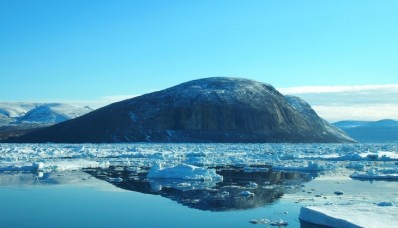
Marine sediments form a major reservoir in the global carbon (C) cycle and C cycling or burial in these sediments constitutes an important ecosystem service that sequesters C on geological time scales. Climate change is ongoing, and amongst the most striking evidence of climate change is the rapid reduction of Arctic Sea Ice.
In coastal Arctic marine ecosystems, change is compounded by melting glaciers via increasing freshwater influx, turbidity and iceberg scouring, with profound consequences for primary production (PP). Due to close benthic-pelagic coupling in arctic marine ecosystems, changes in PP are likely to cascade quickly to benthic food webs, and key ecosystem functions such as carbon and nitrogen cycling or storage.