
Page 5 of 5Results 41 to 49 of 49, 30 June - 10 July 2026
-
Tiny mountain lakes pose big, overlooked flood risks, new study warns

Researchers call for urgent rethink of global hazard monitoring as "Small Alpine Lake Outbursts" emerge in a warming world
-
University of Aberdeen to lead major new North-Sea heritage doctoral research consortium
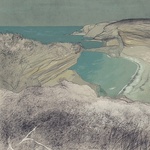
Understanding how North Sea heritage is shaped during a time of rapid economic, environmental and cultural change is at the heart of a major new doctoral research initiative led by the University of Aberdeen.
-
Revealed: The untapped potential of bowel cancer samples to boost understanding of other diseases
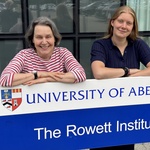
Bowel cancer screening samples could also be used for crucial research into other major health conditions, a new study has shown.
-
Scottish fiddler revealed as Handel's organist
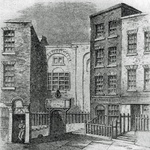
An 18th-century Scottish fiddler and composer has been identified as the likely organist who played in the famous premiere of Handel's Messiah.
-
Homer's Ithaca - the homeland of Odysseus - was not an island
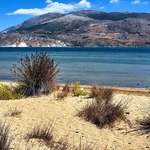
Important new research, published in the online journal Antigone on 5 July, reveals that the assumption that Homer's Ithaca was an island, held by scholars since antiquity, is incorrect.
-
New study identifies ways to make clinical trials more informative and reduce research waste

A major international study published in JAMA Network Open has identified practical actions that could improve the quality, usefulness, and reliability of randomised clinical trials around the world.
-
Student teams imagine the past using historic archives to create games
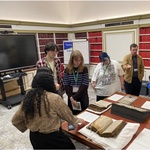
Student teams from across Scotland have transformed rare historical collections into original digital and tabletop games as part of a University of Aberdeen-led initiative.
-
Humans trained to spot AI faces in the battle against deepfake fraud

Humans have been successfully trained to spot AI-generated faces in a study involving researchers at the University of Aberdeen.
-
Hebri-bees project to explore the future of Scotland's rare island pollinators
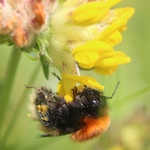
Research from the University of Aberdeen is investigating how honeybees and rare Hebridean bumblebees share - and compete for - resources in the islands' unique flower-rich landscapes