
A new study could transform the way doctors diagnose and treat severe bleeding after childbirth, helping to improve outcomes for mothers and babies across Scotland, the UK and beyond.
Funded by the Scottish Government’s Chief Scientist Office, the project brings together researchers and clinicians from the University of Aberdeen, NHS Grampian, Cardiff University and Cardiff and Vale University Health Board. Researchers hope the work will lead to faster identification of women at greatest risk of life-threatening complications, allowing clinicians to provide the right treatment at the right time. The study will build on the team's own discovery of a previously unrecognised blood-clotting disorder that appears to play a key role in severe postpartum haemorrhage.
Heavy bleeding after childbirth, known as postpartum haemorrhage (PPH), affects around 14 million women worldwide every year and remains the leading cause of maternal death globally. In the UK, maternal deaths from severe bleeding have not fallen in over 25 years.
The research team previously identified Acute Obstetric Coagulopathy (AOC), a newly recognised condition in which the body's ability to form blood clots fails early during severe bleeding after childbirth. Unlike other clotting disorders, AOC appears to be unique to pregnancy and childbirth.
Researchers estimate that AOC may be linked to around 675 stillbirths or newborn deaths each year in the UK, including approximately 50 in Scotland. The condition may also affect the treatment of more than 250 women in Scotland who experience massive postpartum haemorrhage each year.
This is the first study to investigate how AOC can be identified quickly and treated effectively. Researchers hope that by improving understanding of the condition, they can develop more targeted approaches to treating postpartum haemorrhage, reducing deaths and serious complications for both mothers and babies.
Professor Nicola Mutch, Professor of Haemostasis & Thrombosis at the University of Aberdeen’s School of Medicine, Medical Sciences and Nutrition, said: “For many years, we've treated severe bleeding after childbirth using evidence largely derived from trauma, which most commonly affect young men not women. This study is a crucial step in understanding bleeding in pregnant women specifically and could help change how postpartum haemorrhage is diagnosed and treated across the UK and beyond.”
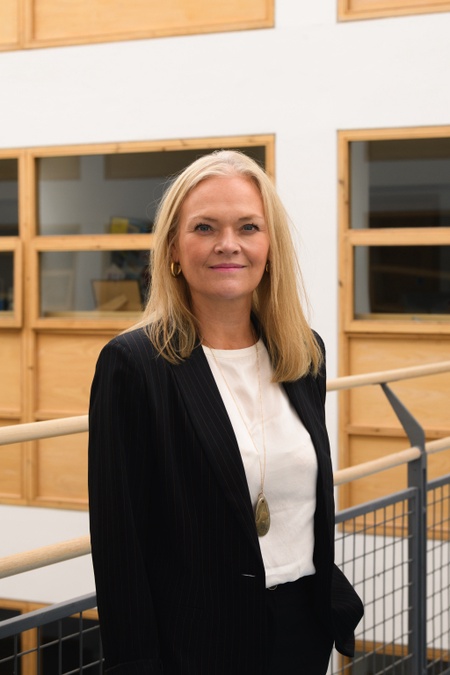
"Every minute counts when a woman experiences severe bleeding after childbirth. By understanding this newly recognised condition, we hope to give clinicians across Scotland and the UK the ability to diagnose and importantly provide the correct treatment sooner. Ultimately, our goal is to improve outcomes for mothers and give more babies the best possible start in life."
Dr Su Bunn, women and children's services medical director for NHS Grampian and regional clinical lead for child health services across the North of Scotland, added: "Contributing to a wide range of research is an important part of what we do across the NHS. This wouldn't be possible without the support of patients and families and I'm keen to acknowledge and celebrate their input too.
"We have a long history of working closely alongside the University of Aberdeen to improve diagnosis and treatment options for patients, and this is a great example of the strength of that important relationship. Developing a better understanding of Acute Obstetric Coagulopathy will hopefully enable our teams to reduce serious complications for both mothers and babies across the globe in the future."
The project will run in parallel with the UK-wide OBS UK clinical trial (www.obsuk.org) which Grampian maternity services have recruited to over the past 30 months. Sponsored by Cardiff University and funded by NIHR, OBS UK provides a care package for women with postpartum haemorrhage. Together, these studies aim to improve how severe bleeding after childbirth is diagnosed and managed, helping to save lives and improve care for mothers and babies across the UK.