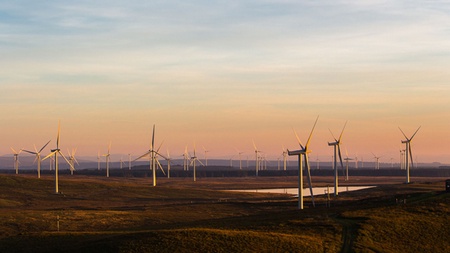
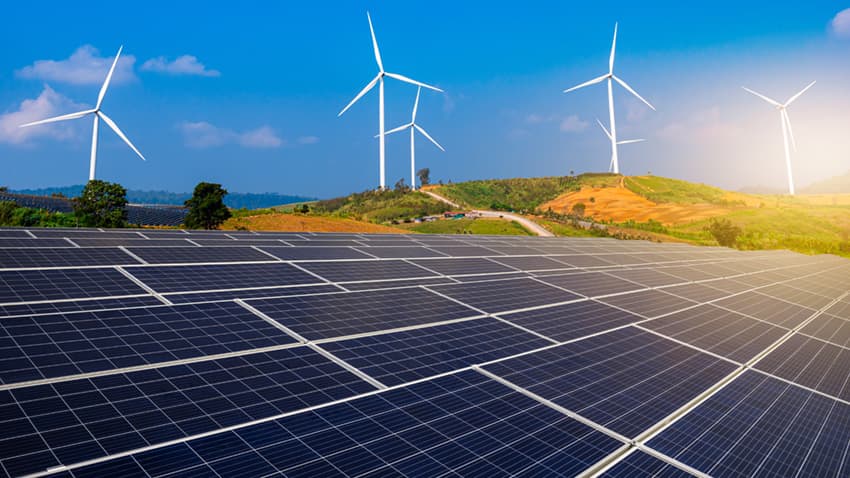
Comparing rural attitudes to solar PV farms and windfarms in the UK
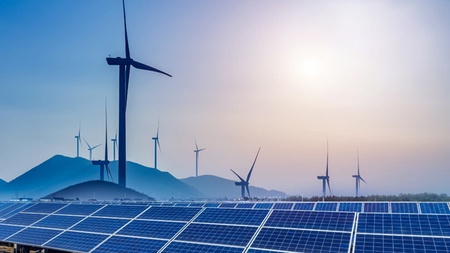
A new scoping study will allow us to better understand how photovoltaic solar energy farms might affect relationships with rural environments.
For more than 40 years experts at the University of Aberdeen have been combining our academic excellence with industry expertise to innovate and make positive change for the future of global energy. Our Schools are at the heart of what we do - why not find out how you can study with us?

Our energy work provides a focus for all areas of energy-related research, with an emphasis on supporting industry and policy makers in the transition to clean, sustainable energy and renewables. Our expertise is hugely varied and spans the generation and storage of energy, reuse of materials and the challenges of decommissioning, the requirements of technology and digitalisation. We also address the energy transition within the oil and gas industry and inform the policy, societal and environmental impact and sustainability of our future energy requirements."
Professor John Underhill, Director of the Interdisciplinary Centre for Energy Transition
Watch Professor Underhill discussing our research into energy transition here.
How do we ensure communities have access to the energy they need at a cost they can afford whilst not destroying the planet and its climate in the process? The University of Aberdeen can play a key role in meeting this challenge.
Energy transition is a challenge affecting all of us and is necessarily commanding research across many disciplines. Browse the project summaries in our Interdisciplinary Research Project Database to find out more about how the topic feeds into the work of researchers across the University of Aberdeen.
A new scoping study will allow us to better understand how photovoltaic solar energy farms might affect relationships with rural environments.

A new project aims to explore the hydrological and environmental impact of using the floodwater found within the UK's abandoned coal mines to provide geothermal energy.
Discover how research across the University is informing the wider conversation around energy transition.
Experts from across the university share their views on energy transition
Our interdisciplinary challenges represent research areas of historic and emerging excellence that are capable of supporting a diverse research portfolio and delivering globally excellent and measurable benefits to society, the economy and health. Explore how we are working towards a brighter future, while actively supporting the UN's Sustainable Development Goals.