
Reflections on a ‘year of reckoning’ for racism
Alumnus Robert Traynham reflects on a ‘year of reckoning’ that is bringing much-needed light to the centuries-old problem of racism.
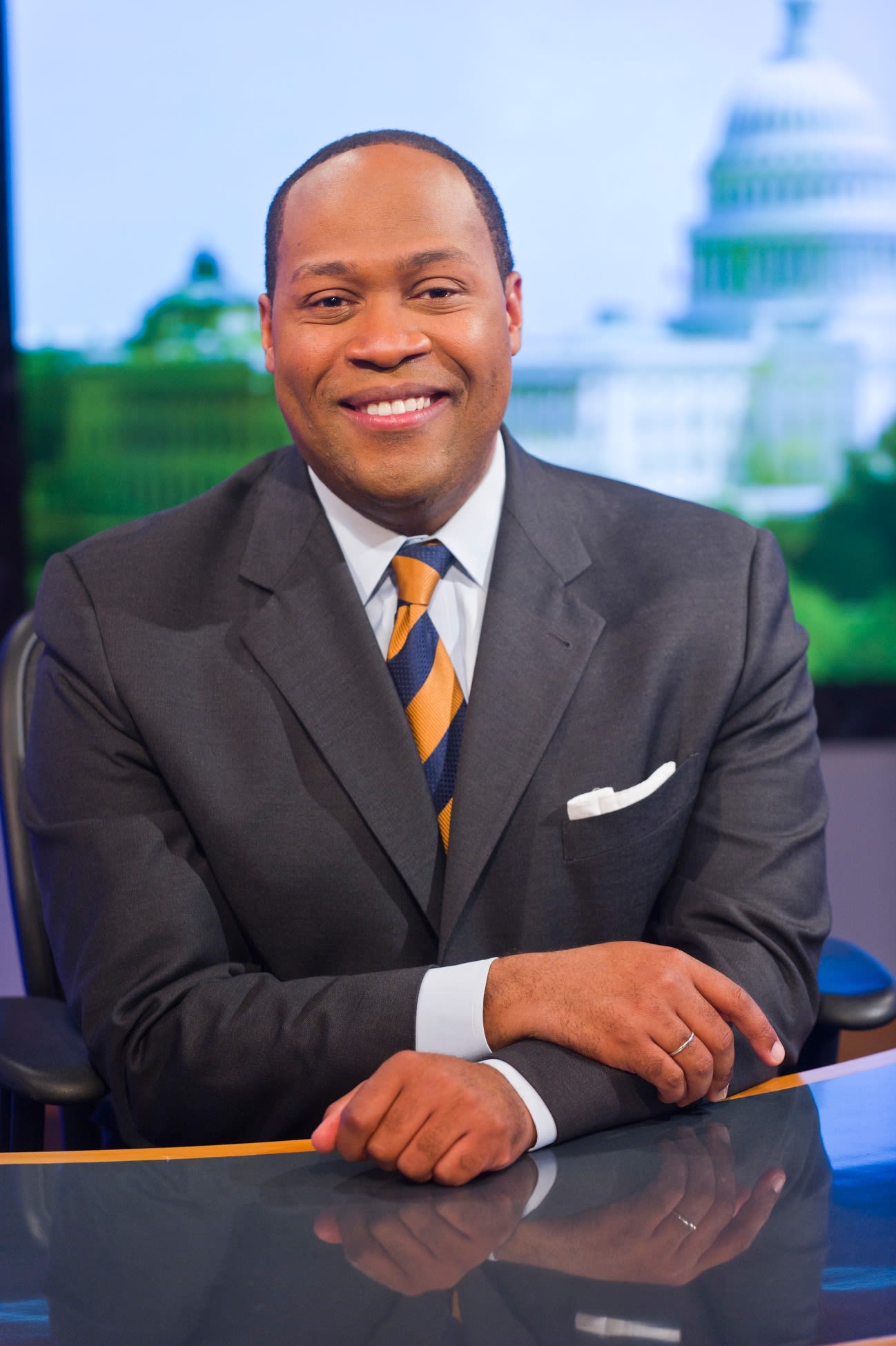

2020 was certainly a year of challenge – from Covid-19 to the killing of George Floyd in Minneapolis, which brought international attention to the Black Lives Matter movement and triggered protests around the world.
For Aberdeen University alumnus Robert Traynham, a former political correspondent and now Head of Public Affairs at Facebook, 2020 was a ‘year of reckoning’ that is bringing much-needed light to the centuries-old problem of racism.
“I think what we have seen in 2020 is a magnifying glass on this problem that has been persistent for many, many years and unfortunately what we have also seen is that many, many people glorify this violence. This has to change and 2020 has served to highlight this in nations across the world.”

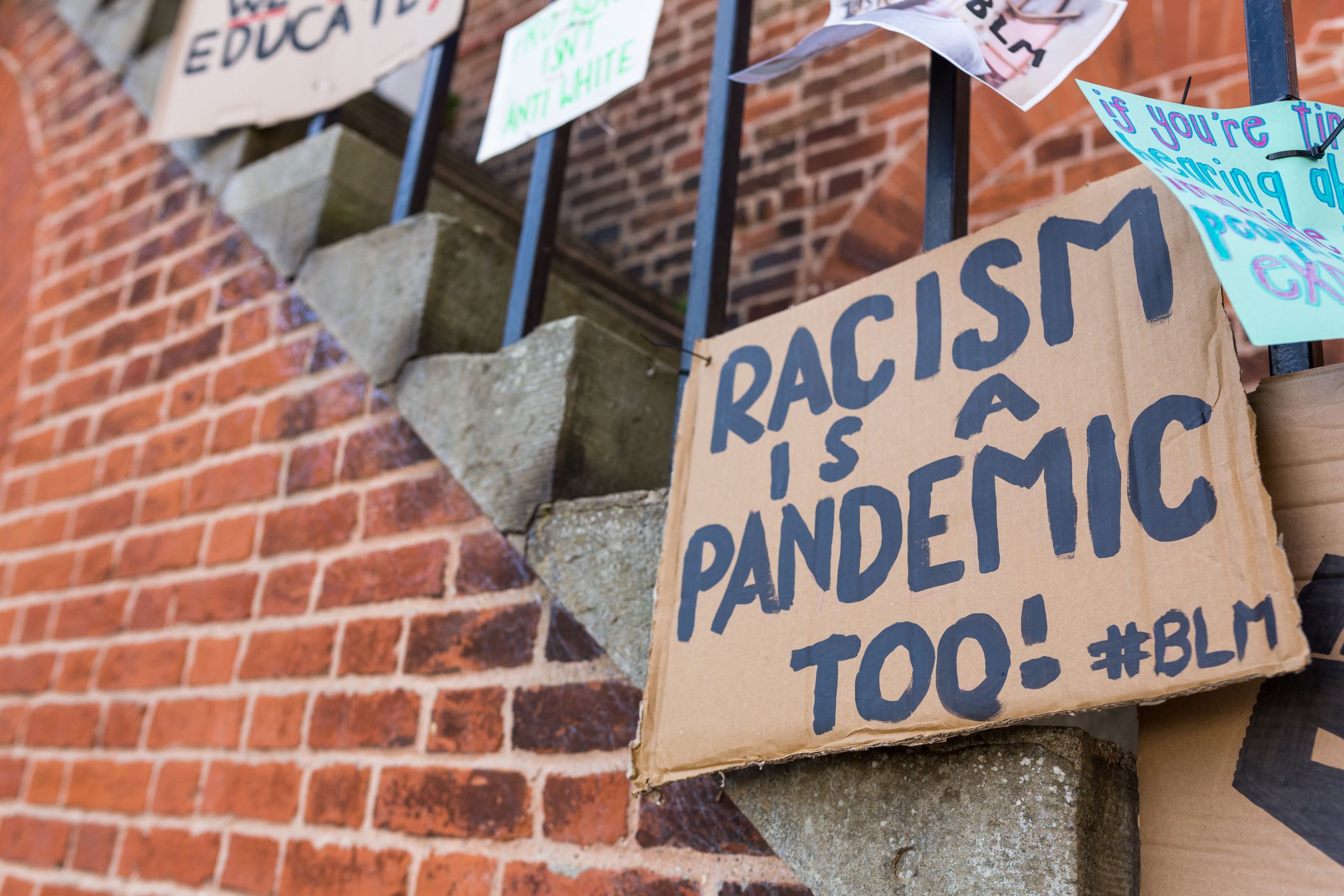
Robert, who gained a PhD in history in 2019, has worked for the US government, in the White House and for President Bush’s re-election campaign.
He has been a familiar face on television with roles at CNN and NBC and has also worked for non-profit organisations at the intersection of policy and of politics in the US, putting him in a unique position as an observer of current affairs and the ability of social movements to bring about change.
“As an historian I always try to look on the bright side of things with the benefit of history,” he explained.
“The beauty of this moment, if there is one, is that more and more people are becoming self-aware of their own biases and micro-aggressions and saying ‘enough, I have to change - and not only do I have to change but I need to do better for all the people who are in my life, whether it’s my family, my friends or my colleagues.

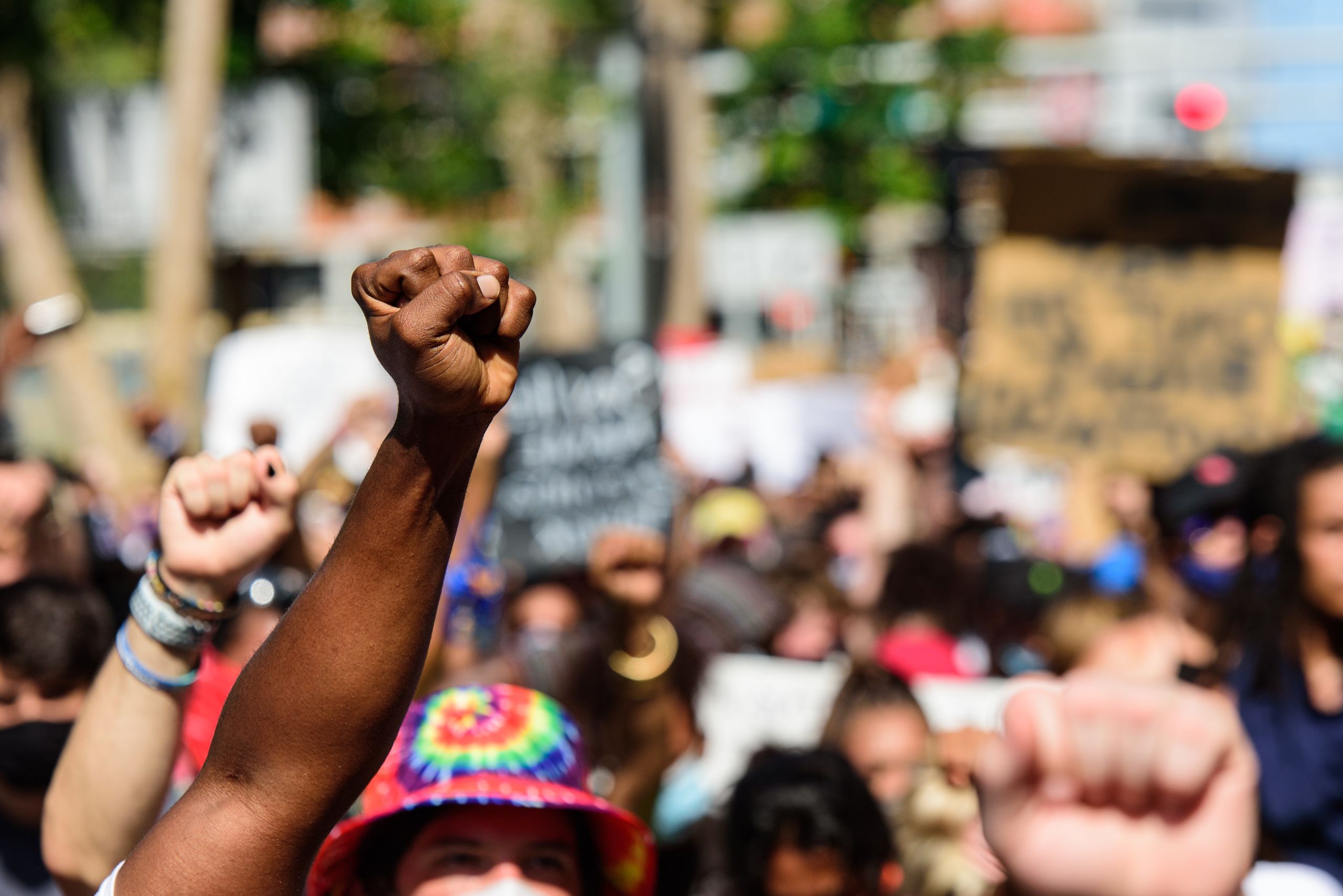
“We also need to be vulnerable in the space by saying ‘okay I have some pre-conceived notions here, we all do – we’re all biased – okay I do have some thoughts around this. How do I modulate this? How do I course-correct this if need be? What type of racial biases do I have and how do I talk about that in a way that is non-judgemental where I can perhaps become better – a better person, a better global citizen?”

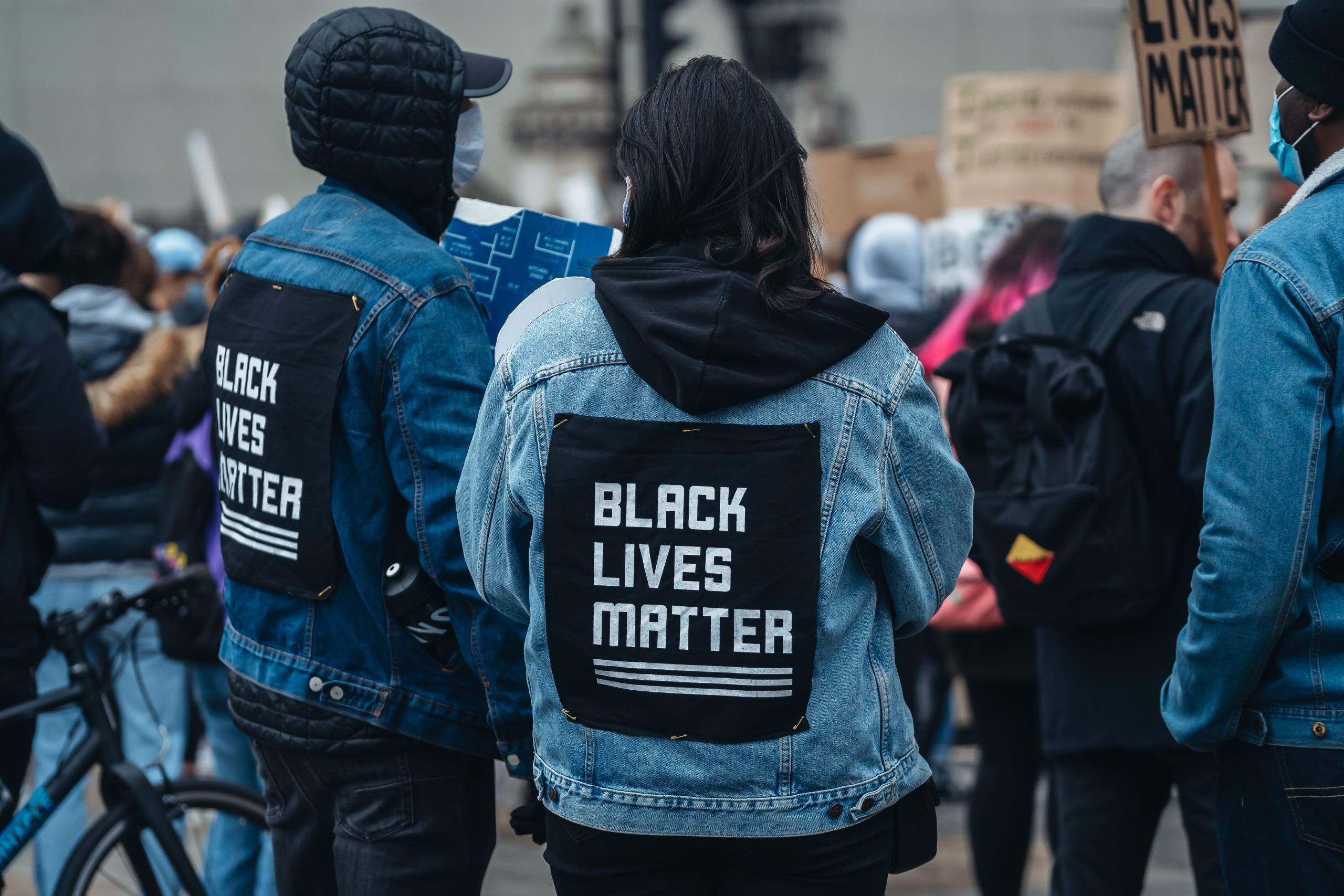
The recent boycotting of social media platforms by businesses, organisations and celebrities has highlighted how widely opinions differ over the impact of social media on society, but Robert points to Black Lives Matter as evidence of the positive role it can play in highlighting racial prejudice and social injustice.
“The second silver lining of 2020 is that the Black Lives Matter Movement has truly highlighted how social media can provide a voice and bring significant awareness to an issue around the world,” he said.
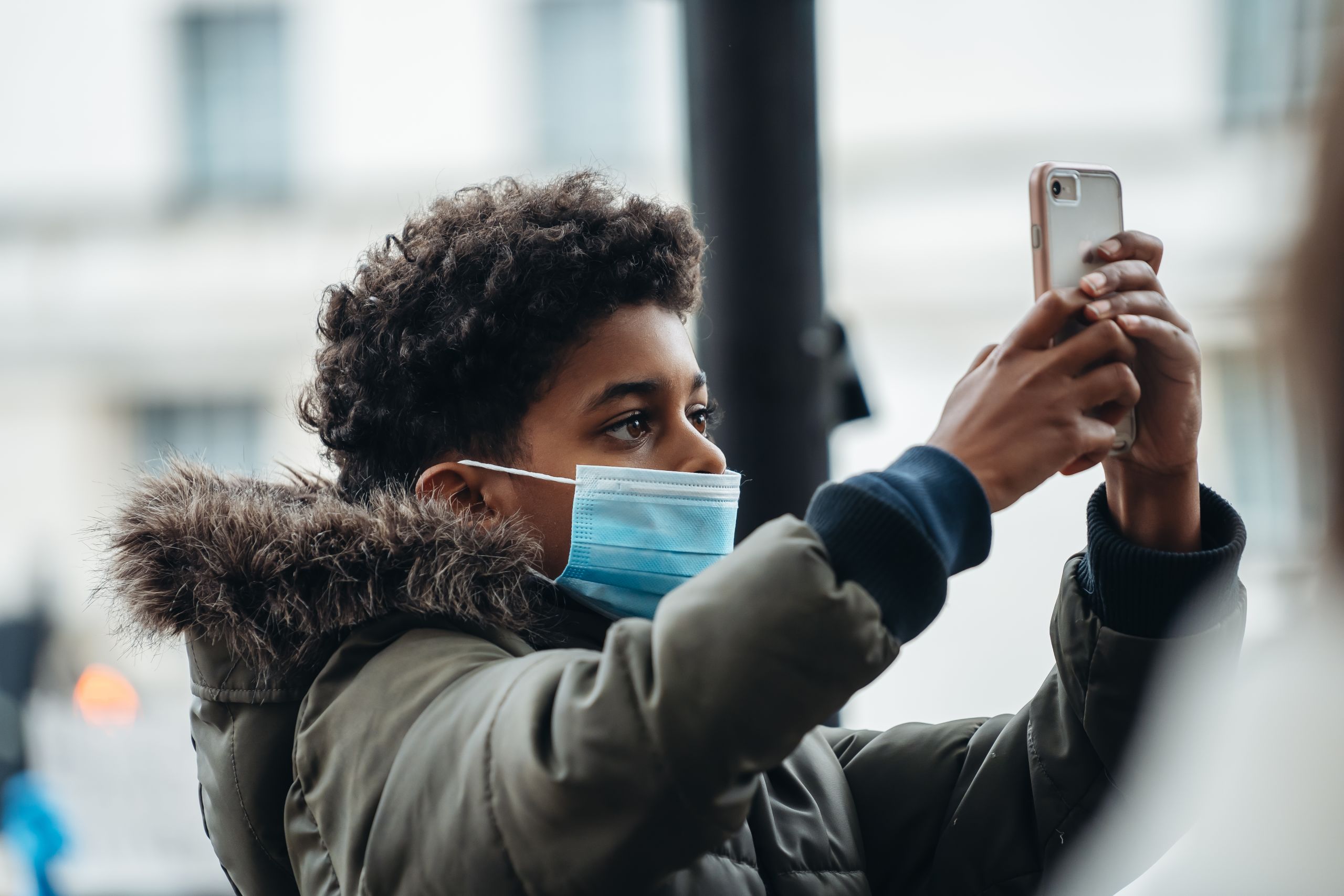
“People have taken out their smart phones and devices to record these horrific moments of harassment people have been subjected to because of the colour of their skin.
“I hope that this awareness and highlighting – together with being more attentive to our own biases – will provide the sunlight which will become a disinfectant to racial intolerance.”

 Built with Shorthand