Introduction
MSc Peace and Conflict Studies is designed for students wishing to develop an advanced knowledge of the intellectual terrain of conflict resolution and post-conflict peacebuilding.
This course has both January and September start dates. Apply Now
Study Information
Study Options
- Learning Mode
- On Campus Learning
- Degree Qualification
- MSc
- Duration
- 12 months or 24 months
- Study Mode
- Full Time or Part Time
- Start Month
- September or January
- Location of Study
- Aberdeen
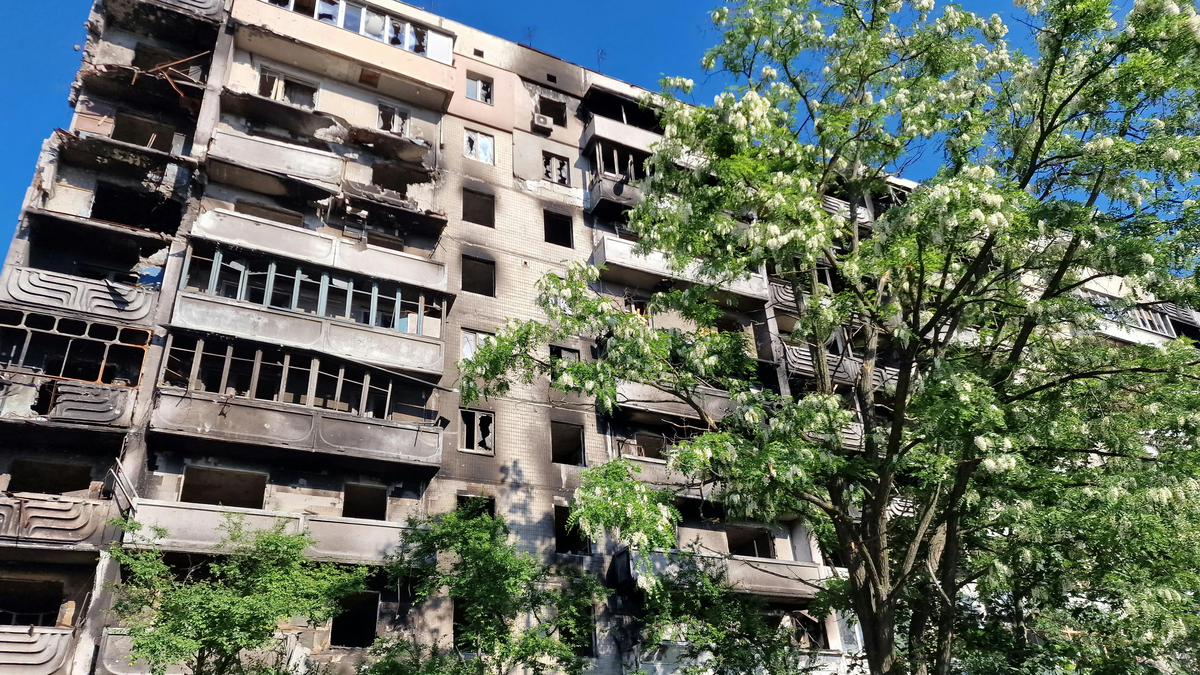
Conflict resolution, or “peace-making,” is vital for both physical reconstruction and intergroup reconciliation, as well as for understanding and addressing the underlying causes of conflict.
The MSc in Peace and Conflict Studies familiarises students with the dynamics of well-developed approaches to conflict resolution (or “peace-making”) and the more recent mechanisms of post-conflict peacebuilding which have developed over recent decades.
You will explore the processes through which state and non-state actors have attempted to define and build peace in areas affected by conflict and examine the intersection and overlap between peacebuilding theory and these processes. You will also learn to critically examine the limits to and challenges of administering mechanisms for peace, justice and development within conflict-affected societies, and the ongoing challenges for both of local ownership, evaluation, and sustainability.
As part of the MSc, students will complete the research Dissertation or can apply to take part in the Social Science Professional Project where you will work in a group with an external organisation to tackle real-world policy challenges. This new module is an opportunity to gain hands-on experience to enhance your employability and prepare for an exciting career path.
This programme will provide you with an in-depth knowledge of peacebuilding theories and methods, as well as the skills necessary to pursue a career in conflict intervention and peacebuilding practice. It will also provide an essential base for those wishing to pursue PhD and related studies in Peace and Conflict Studies, conflict resolution or peacebuilding in the social sciences.
Available Programmes of Study
- MSc
-
Peace and Conflict Studies
- Qualification
- MSc
- Duration
- 12 months or 24 months
- Learning Mode
- On Campus Learning
- Study Mode
- Full Time or Part Time
- Start Month
- September
- Location
- Qualification
- MSc
- Duration
- 12 months or 24 months
- Learning Mode
- On Campus Learning
- Study Mode
- Full Time or Part Time
- Start Month
- January
- Location
- Aberdeen
Programme Fees
- UK
-
- Tuition Fees for 2026/27 Academic Year
- £11,100
- Tuition Fees for 2026/27 Academic Year (University of Aberdeen Graduates *)
- £7,000
-
University of Aberdeen graduates are eligible for the Alumni Postgraduate Scholarship, reducing tuition fees to £7,000 - matching the current SAAS tuition loan - See full terms and conditions
- EU / International students
-
- Tuition Fees for 2026/27 Academic Year
- £23,000
- Tuition Fees for 2026/27 Academic Year (Self-funded Students *)
- £15,000
-
The above fee includes the £8,000 Aberdeen Global Scholarship provided to self-funded international students. Full terms and conditions apply.
We will endeavour to make all course options available. However, these may be subject to change - see our Student Terms and Conditions page. In exceptional circumstances there may be additional fees associated with specialist courses, for example field trips.
Fee Information
Scholarships
All eligible self-funded international Postgraduate Masters students will receive an £8,000 scholarship. Learn more about this Aberdeen Global Scholarship here.
To see our full range of scholarships, visit our Funding Database.
How You'll Study
Learning Methods
- Individual Projects
- Lectures
- Research
- Seminars
- Tutorials
Assessment Methods
Assessments include essays, reports, exercises and presentations. Courses are generally 100% continuous assessment.
Why Study Peace and Conflict Studies?
- The Department of Sociology at the University of Aberdeen enjoys a reputation as one of the leading centres for the study of sociology in the UK, recognised nationally and internationally for the outstanding quality of teaching and research. In the most recent Research Excellence Framework review, the research quality of the Department of Sociology within The School of Social Sciences was judged as 'Excellent’
- The University of Aberdeen is ranked 18th in the UK by the Guardian University Guide 2026
- We are ranked 2nd in Scotland for Sociology by the Times and Sunday Times Good University Guide 2026
- This programme draws on the Department's exceptional expertise in religion, political violence, conflict and peace, social movements, identity processes, and global and political sociology, allowing you to gain a more comprehensive understanding of the subject
- The University is home to several research centres and institutes, including the Centre for Global Development; the Centre for Global Security and Governance; the Institute for Conflict, Transition, and Peace Research; and more
Interested in this programme?
Entry Requirements
Qualifications
The information below is provided as a guide only and does not guarantee entry to the University of Aberdeen.
Applicants for admission will normally be expected to hold a relevant Honours degree with a 2:2 standard from a recognised university or body. Applicants without this qualification may be admitted subject to having an alternative qualification, or an approved level of work experience appropriate to the field of study.
Document Requirements
You will be required to supply the following documentation with your application as proof you meet the entry requirements of this degree programme. If you have not yet completed your current programme of study, then you can still apply and you can provide your Degree Certificate at a later date.
- Degree Certificate
- a degree certificate showing your qualifications
- Degree Transcript
- a full transcript showing all the subjects you studied and the marks you have achieved in your degree(s) (original & official English translation)
- Personal Statement
- a detailed personal statement explaining your motivation for this particular programme
- Reference x 2
- two reference letters, one of which should be from your university discussing your academic ability. If you have been out of education for a long time you may wish to use your current or most recent employers, or other professional individuals
Careers
This MSc programme equips you with detailed empirical knowledge and analytical skills for understanding the central concepts and processes involved in conflict resolution and post-conflict peacebuilding.
Graduates of this programme can apply their skills and knowledge to future employment in international diplomacy and civil service, as well as to careers in international institutions, research centres, charities, NGOs, think tanks, and more.
Career Opportunities
- Civil Servant
- Diplomacy, Defence, Development
- Government Officer
- International Non-Governmental Officer
- Political Analyst
- Public Advocacy
- Social Researcher

What our Alumni Say

Our Experts
- Director
- Professor Gearoid Millar
Information About Staff Changes
You will be taught by a range of experts including professors, lecturers, teaching fellows and postgraduate tutors. However, these may be subject to change - see our Student Terms and Conditions page.
Facilities
Get in Touch
Contact Details
- Address
-
Student Recruitment & Admissions
University of Aberdeen
University Office
Regent Walk
Aberdeen
AB24 3FX