Our response to coronavirus
Staff, Students and Alumni


Students and alumni bringing help to those in need

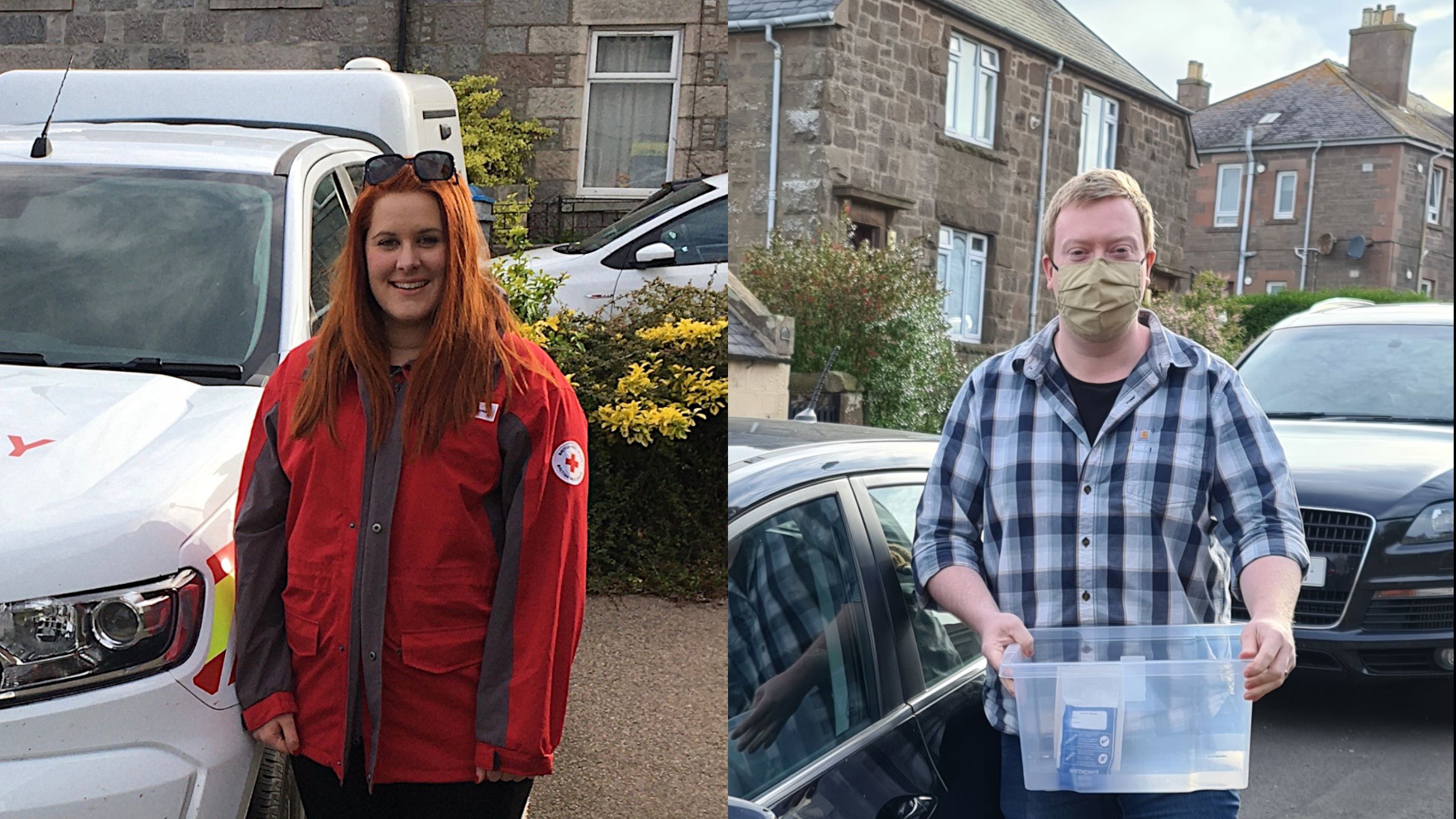
Katie Winstanley: 'We check on people who are shielding to ensure they are ok and if they need any support.'
Volunteering for the Red Cross is an important part of Aberdeen graduate Katie Winstanley’s life – even more so since the outbreak of the Covid-19 crisis earlier this year.
Katie has been part of an emergency response team working with the local authority and other agencies to carry out welfare checks on some of society’s most vulnerable people in the Grampian region.
A corporate communications lead with Police Scotland, Katie was aware of the great work being done by the charity with the local community and so became involved on a voluntary basis just over a year ago.
She explains: “It has been important to me to be involved in hands-on support and be out there in the community during this unprecedented situation.
“We check on people who are shielding to ensure they are ok and if they need any support. We have also been providing emergency food parcels throughout the region. It has been really rewarding being able to speak to people in the community, seeing that they are safe but also highlighting that help is out there for those who need it.
“Joining an organisation like the Red Cross has also been a great opportunity for me to learn new skills and meet new people.”
Originally from near Grantham in Lincolnshire, Katie chose to study history at the University of Aberdeen because she liked the variety of the course, as well as the look of the city itself.
“I really enjoyed my time in Aberdeen. It’s a great city to live in with plenty of variety between the outdoors and more urban attractions, and the four years passed so quickly,” she said.
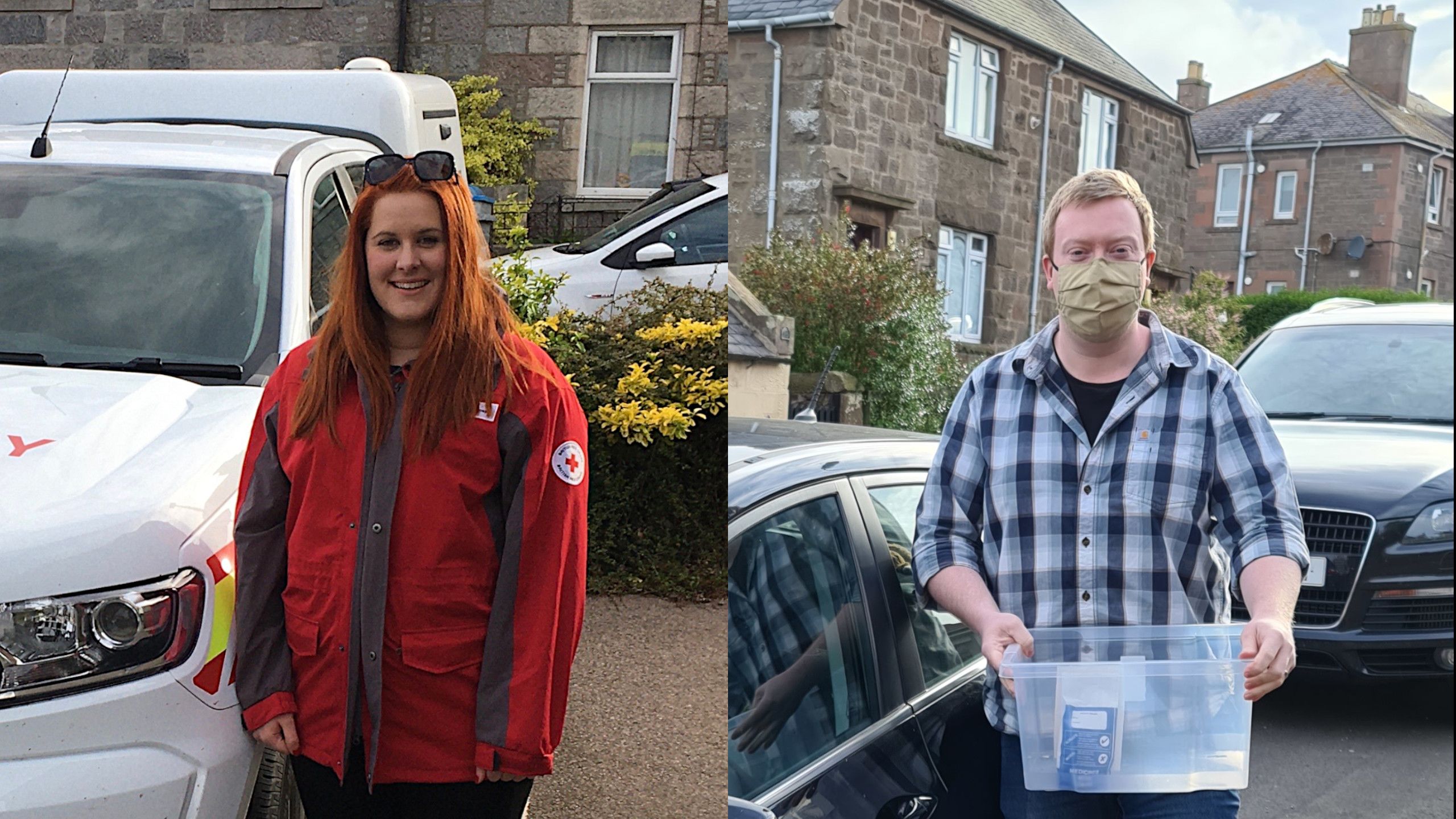
Ed Devlin: 'I wanted to ensure that everyone had some way to reach out for help if needed.'
First year PhD student, Ed Devlin, working with Silvia Gratz in Gut Health (Rowett), and Carol Munro and Donna MacCallum in Aberdeen Fungal Group (IMS) moved to Inverbervie about 18 months ago. Ed set up and looks after the Inverbervie Community Response page on Facebook.
He said: ‘Prior to the UK lockdown, I was concerned about outbreaks in other countries and how a similar outbreak might impact my community in Inverbervie. Although most households are well connected I wanted to ensure that everyone had some way to reach out for help if needed.
I set up Inverbervie Community Response on Facebook in March and shared some posters in the shops we have in Inverbervie. I was overwhelmed with the response of people wanting to help and by the time the lockdown was in full effect I had around 40 volunteers willing to help with shopping, errands and prescriptions.
People can make requests to the group directly, contact a specific volunteer from our map, or contact me via phone and I either help them myself or pass out details to volunteers. Combined with similar efforts from our local foodbank and church group, I’m confident that everyone who needed support had access to it. I’ve also been working with the medical centre to help with priority prescriptions or sample collection for individuals who are shielding.’
Aberdeen Alumni Dig Deep to Help New Students

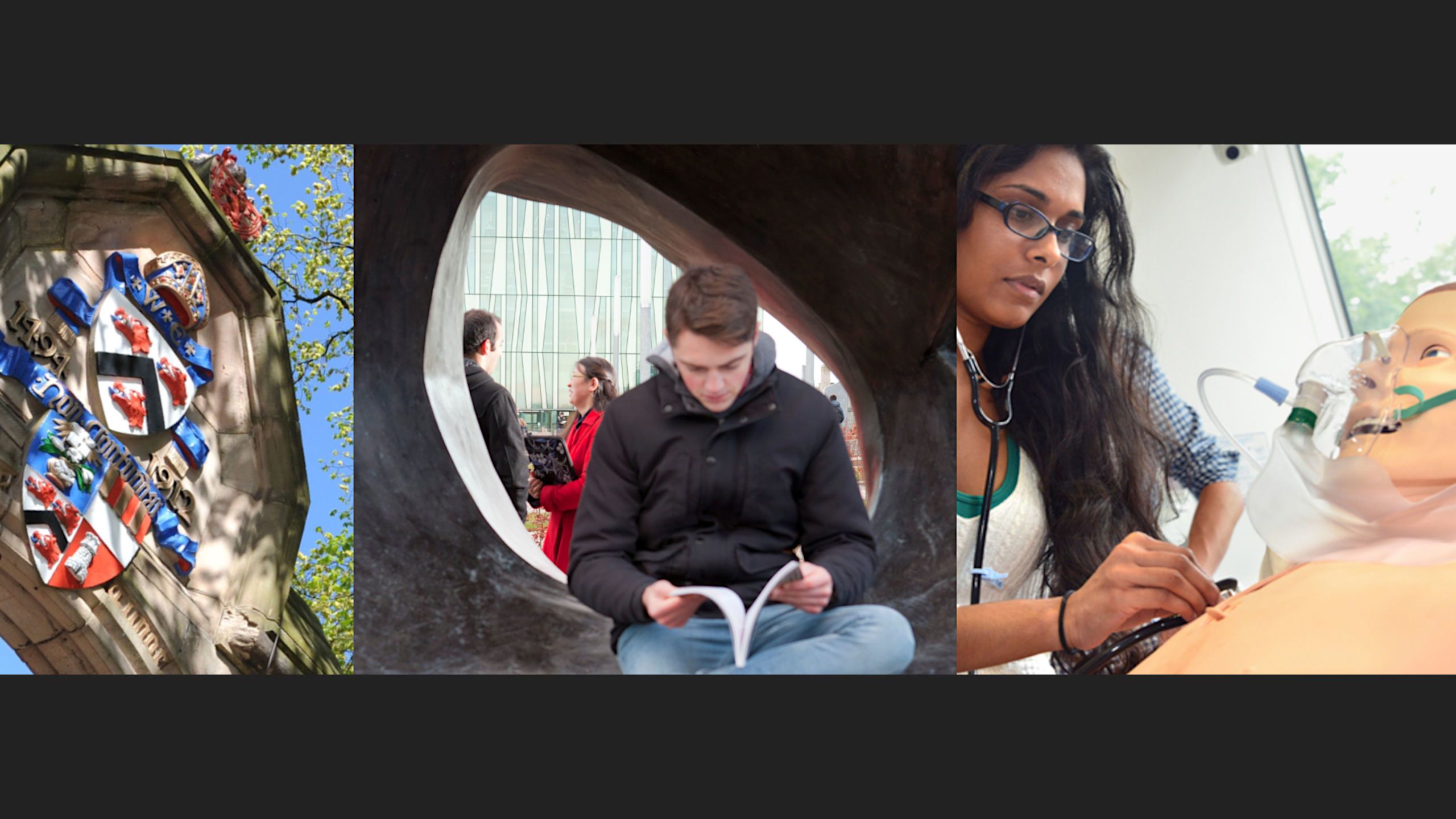
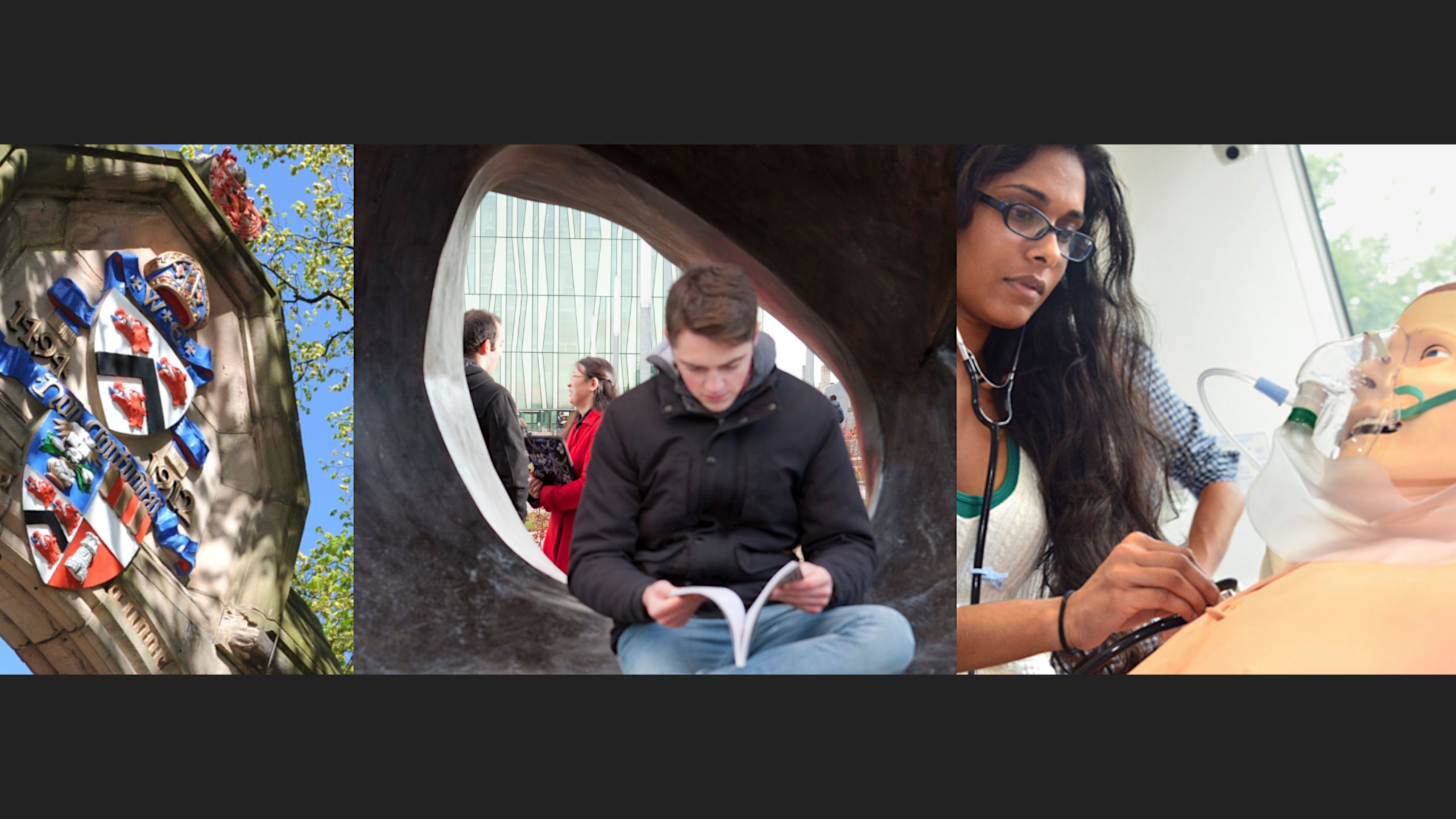
Thanks to generous donations from our alumni community, University of Aberdeen students who are facing severe financial hardship due to the ongoing global pandemic will benefit from our Covid-19 525 Bursary Fund.
One hundred and seventy five successful applicants from Scotland and the rest of the UK will each receive a one-off payment of £525 to help with the initial cost of attending the University when they join in September.
The Covid-19 525 Bursary Fund had an initial target of £150,000 but, thanks to the alumni response and a generous legacy donation, the fund currently stands at just over £180,000. The target has recently been increased to £200,000 to allow even more students to benefit.
Many of those who applied for the fund cited examples of having themselves lost their much-needed part-time jobs, loss of family income and, in some cases, suffering bereavement. The bursary money will go towards the cost of starting at University, which might include the purchase of essential IT equipment, or the paying of rent, bills or travel.
New doctors graduate early to help COVID-19 effort

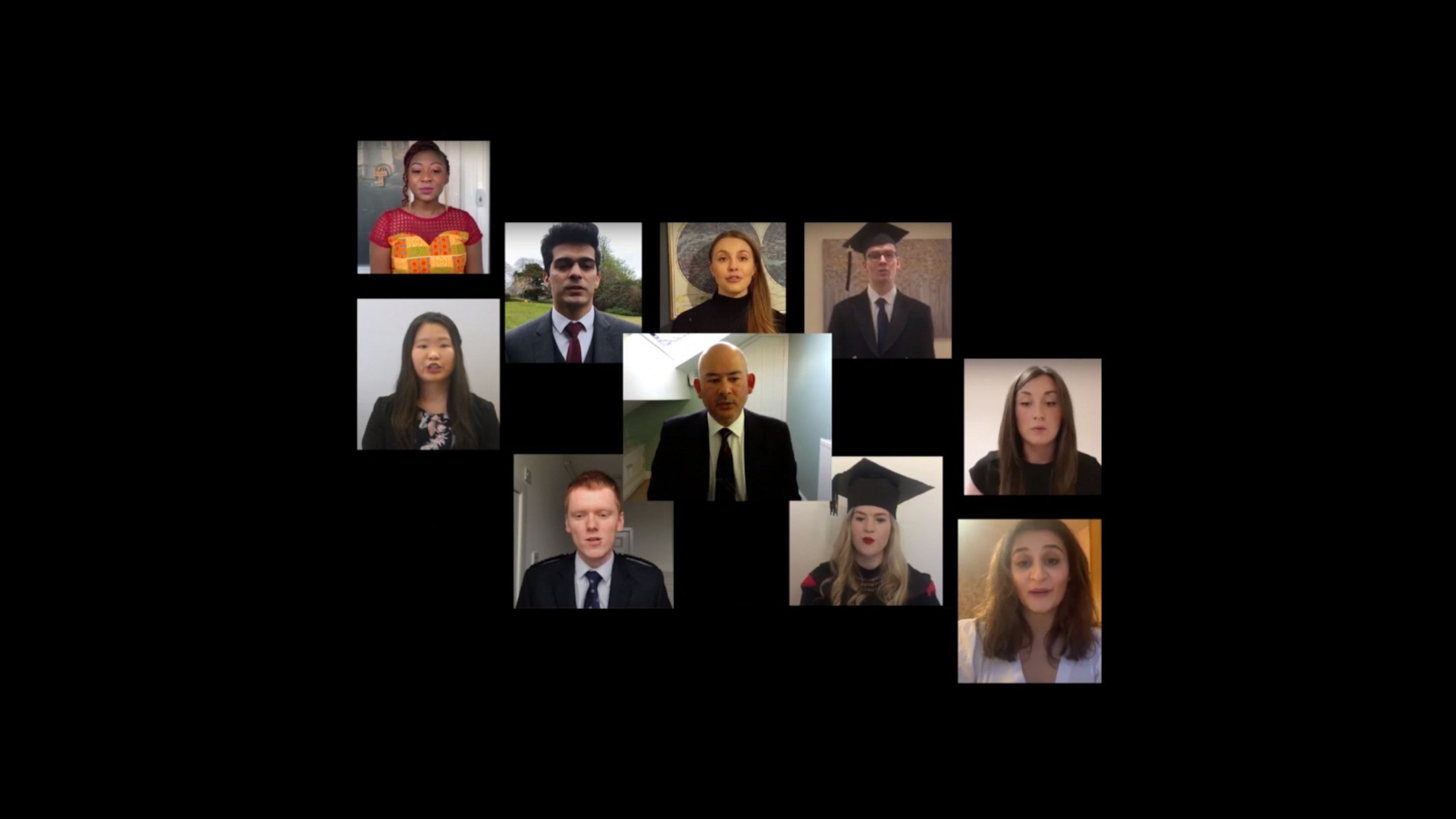
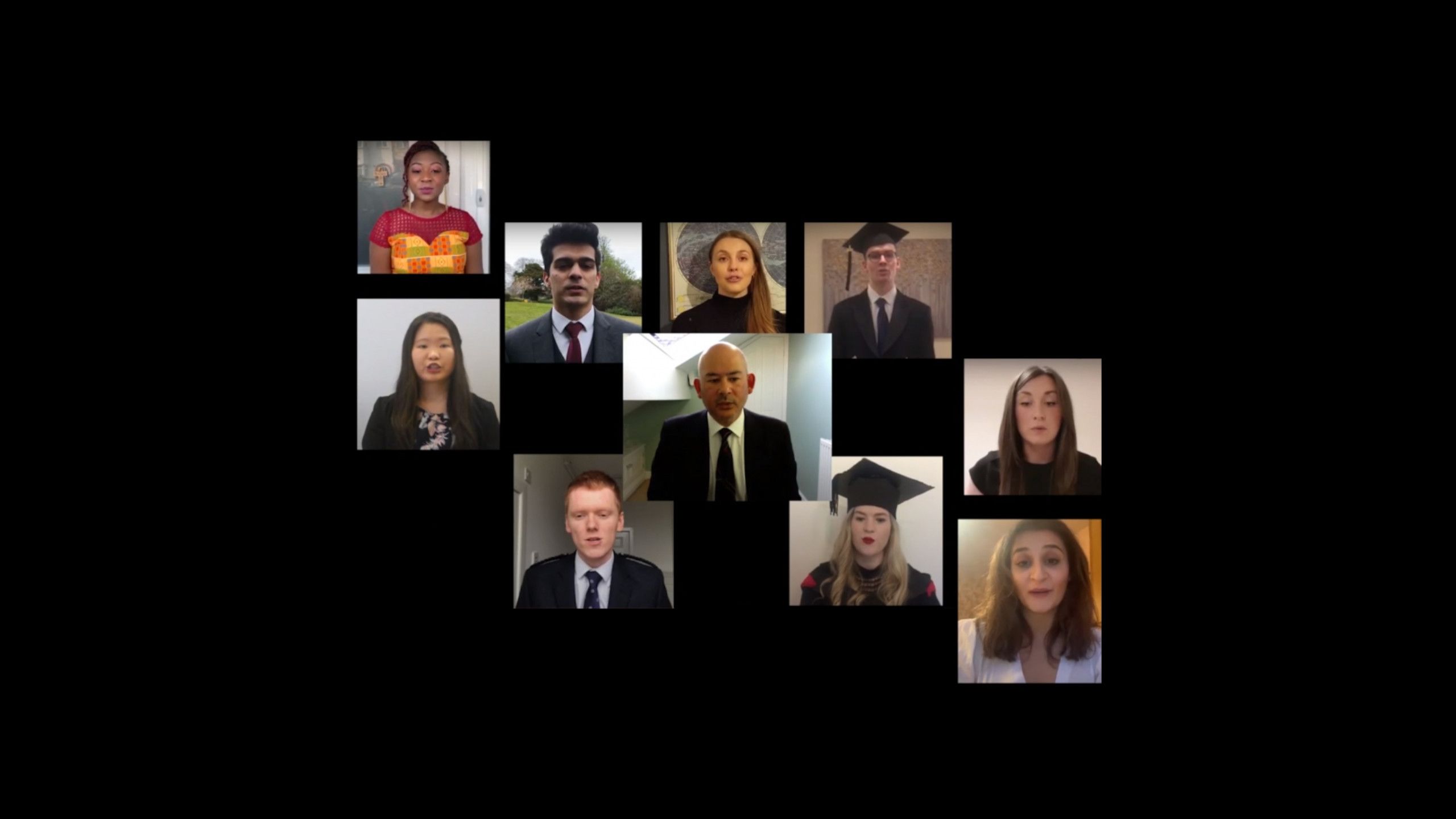
Final year medical students at the University of Aberdeen graduated early so that many of them can join the frontline and support the NHS and the Covid-19 effort.
With guidance from the General Medical Council, the graduation date of final year medical students at the University was brought forward by nine weeks so that the Class of 2020 could be able to respond to the needs of the NHS.
Those of the 179-strong cohort who were able to volunteer to join the NHS effort will begin work in a supported and supervised environment across Scotland and the UK by the end of April.
Professor Rona Patey, the Director of the Institute of Education in Healthcare and Medical Sciences at the University, said:
“Our medical graduates will begin their careers by applying their skills and knowledge to support the response to an unprecedented world health crisis. We are immensely proud of their achievements and are confident that they are prepared and ready for the challenges ahead.”
Locking down in one of the most remote areas on earth

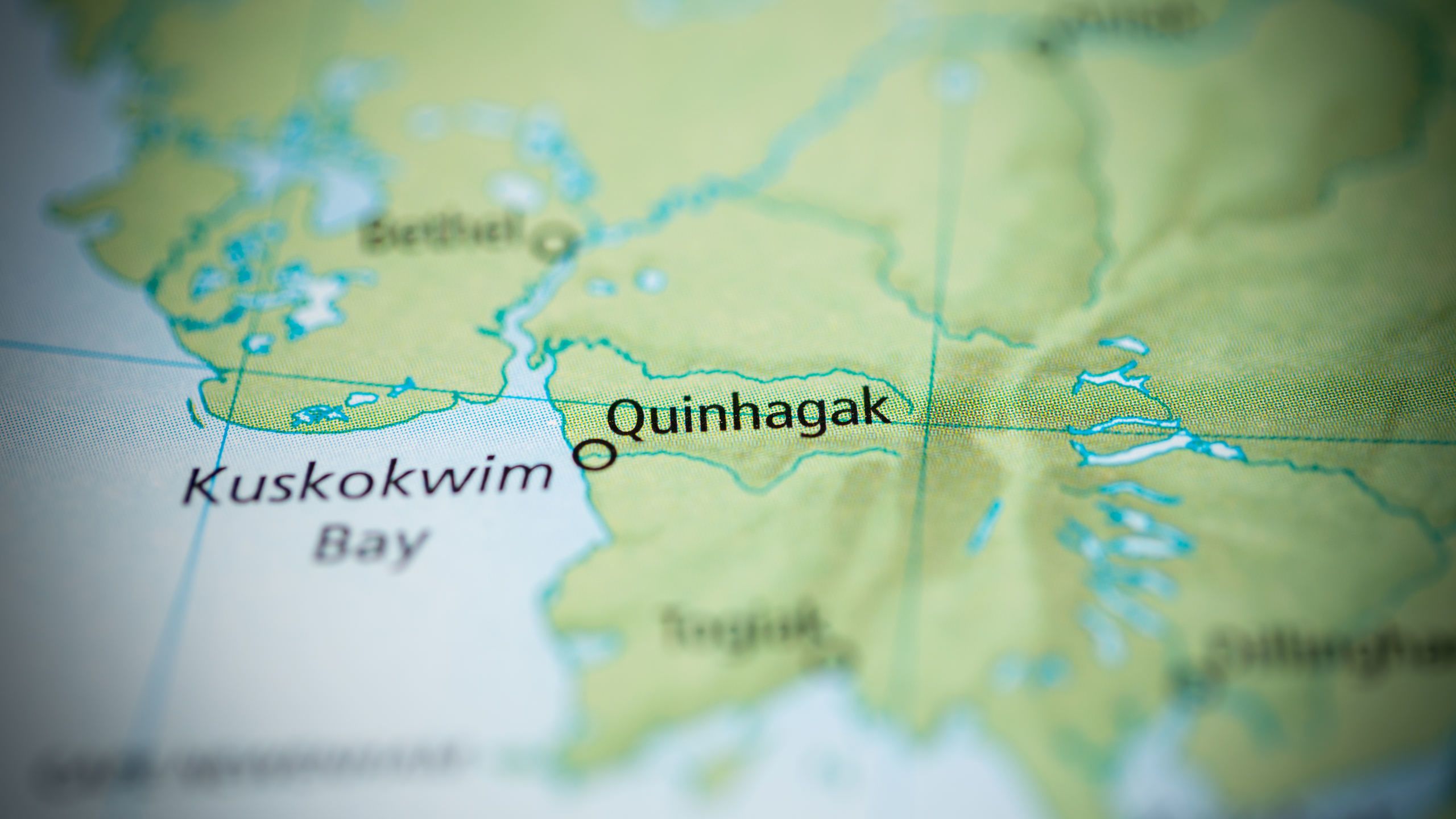
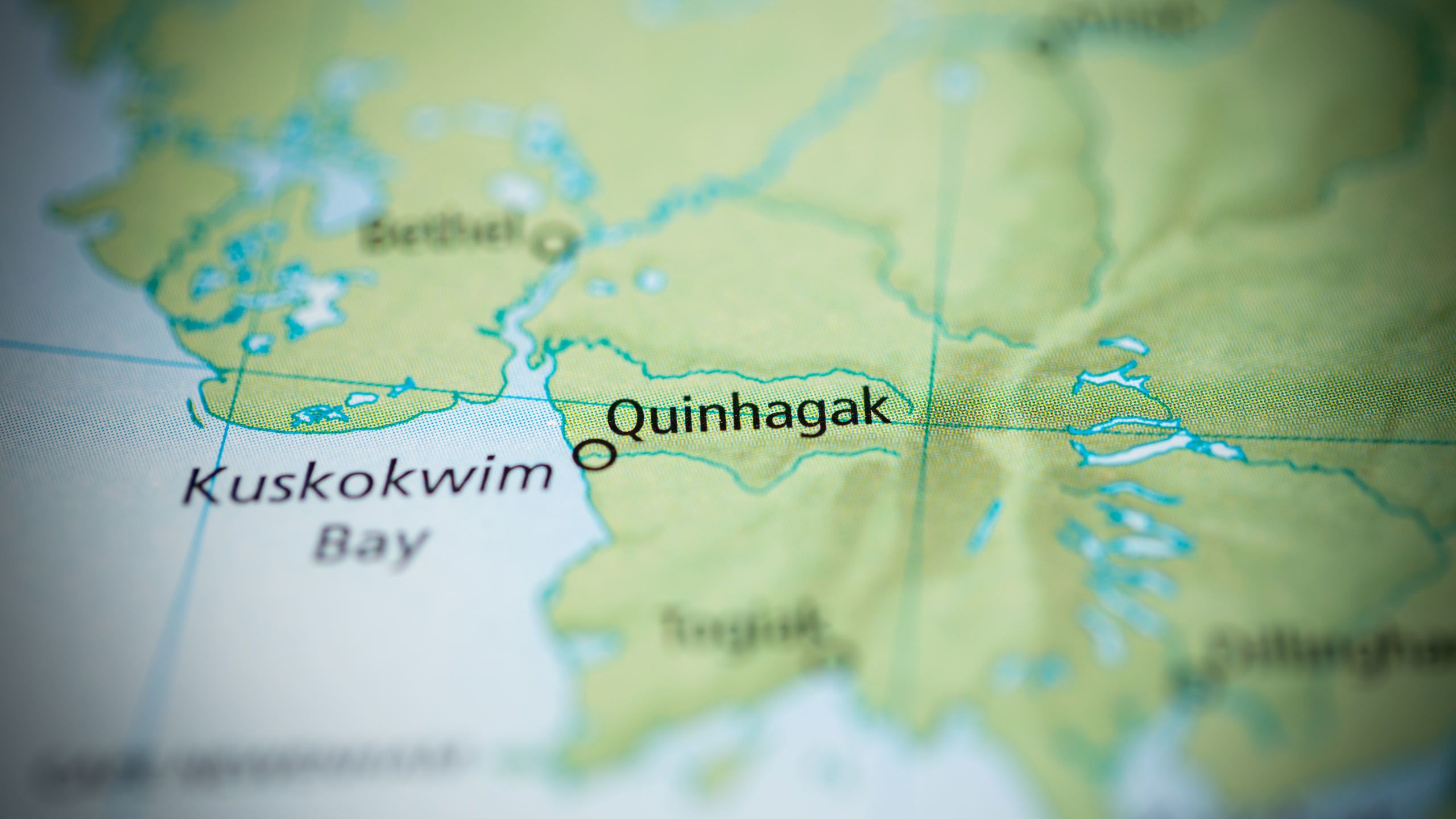
An Aberdeen archaeologist is spending lockdown in one of the most remote areas of the planet.
Dr Rick Knecht from the University of Aberdeen has been in Quinhagak – a small Alaskan village which has no roads and endures freezing winters – since October.
He has worked on the Nunalleq dig site for the last 11 years with each visit lasting several months.
Dr Knecht leads a team of archaeologists in partnership with the village corporation Qanirtuuq, Inc. and the Yup’ik village of Quinhagak and their work has uncovered more than 100,000 important artefacts which tell the stories of the region’s people dating back more than four centuries.
But even this small and remote community has not escaped the threat of Covid-19.
Dr Knecht said: ‘Quinhagak was one of the first villages to go on lockdown with the onset of the pandemic. Non-residents are forbidden in the village until at least the end of May and any villagers returning from the outside must endure a strict 14-day quarantine, along with members of their household.’
Supporting International Students


International students who remain on campus are understandably anxious about the current situation and the future. That is why the University of Aberdeen is using digital initiatives to stay in touch with students and parents, to provide updates, reassurance, and activities.
Chinese students, for example, have benefited from a series of vlogs on Weibo designed to update them about the latest guidance and advice. Aimed at both students and parents, they help to reduce stress and uncertainty. It included a live vlog with students to show what life is like while in lockdown in Aberdeen.
A video was also produced and circulated to communicate guidance on wearing facemasks. This helped to reduce some of the cultural misunderstandings associated with the garment, making students more comfortable should choose to wear one.
There have also been a range of social media activities to keep students connected, such as an online cooking competition on Weibo. Students uploaded their dishes and recipes to share with others, helping everyone feel more connected.
Initiatives such as these help to keep students connected and updated.

 Built with Shorthand