
Our response to Coronavirus
Data and Artificial Intelligence


Podcast: Following the Science: how is data modelling used to inform the COVID-19 response at a local level



Leading figures from the University of Aberdeen and NHS Grampian discuss and reflect on how they combined their expertise and worked together to analyse emerging Covid-19 data and define NHS Grampian response to the pandemic.
Speakers: Professor Corri Black (Director of the Centre for Health Data Science, University of Aberdeen), Dr Nick Fluck (Medical Director for NHS Grampian), Dr Graham Osler (Health intelligence Analyst, NHS Grampian) and Dr Dimitra Blana (Lecturer in Health Data Science, University of Aberdeen).
Physicists: Understanding the 'symptomless' Covid-19 carriers key to stopping spread



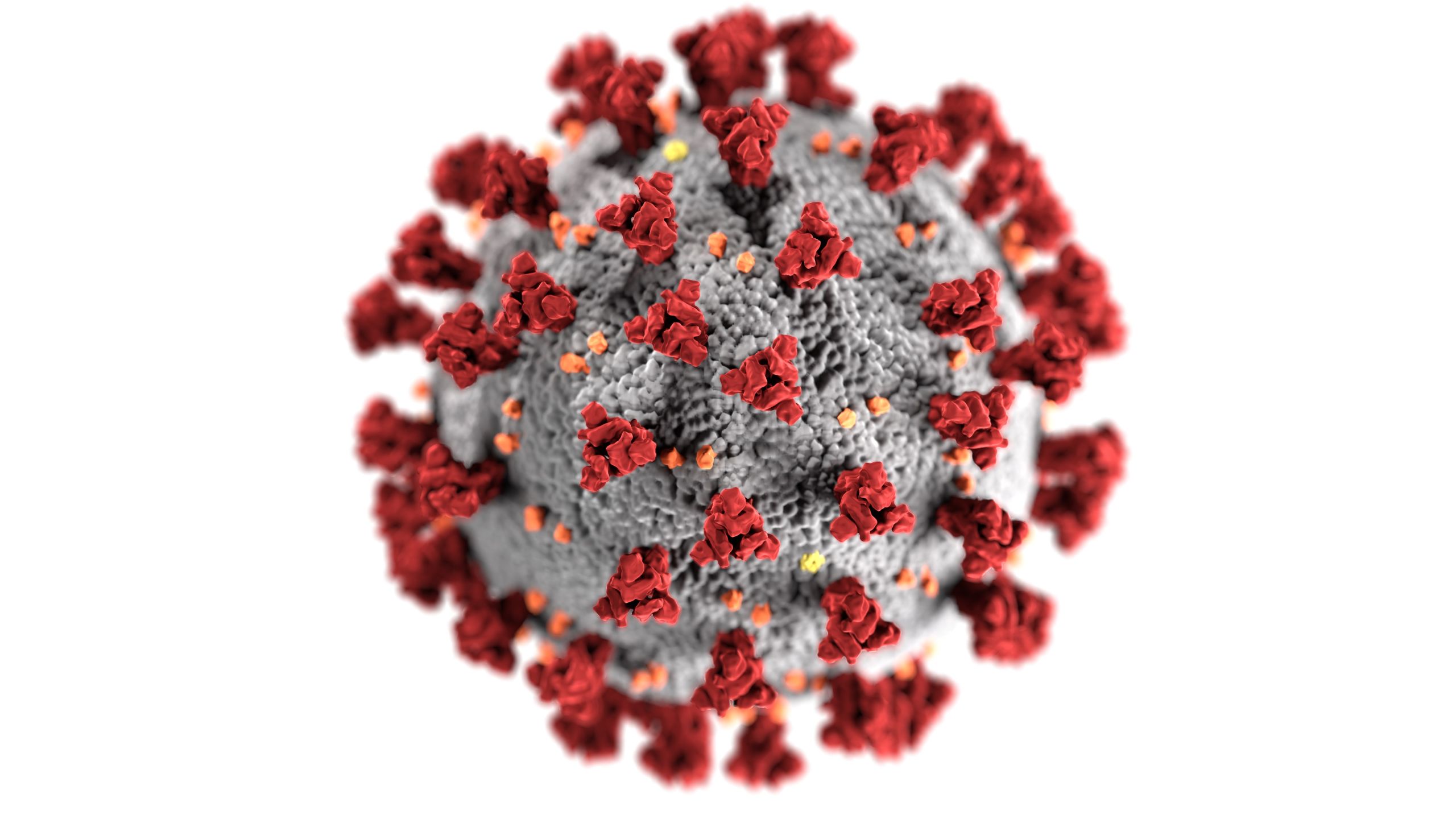
Researchers across the world are grappling with the implications of Covid-19, looking to understand more about the virus and inform policymaking. The University of Aberdeen has been playing its part.
Physicists at the University have constructed a mathematical model based on tested and untested infectious individuals using data from the early stages of the outbreak in Germany, Italy, Spain, UK and the Hubei province in China.
The model has led them to believe that lockdowns will not create enough herd immunity to control and eradicate Covid-19, but the measure is probably our best approach while we wait for a vaccine or faster and more thorough mass testing.
The team conclude that without thorough and extensive screening, carriers of the infection that display no symptoms – which are currently missed by most countries – will continue to spread Covid-19 widely. As such, they say, any isolation of infected individuals must take into account those who do not display symptoms.
Data harnessed to reveal Covid-19 spread in Scotland in real time



A study that uses patient data to track the progress of the Covid-19 pandemic in near real time across Scotland is set to launch.
The project – which has been awarded £500,000 of funding from the Medical Research Council – will also be able to track the effectiveness of any new treatments or vaccines.
The study is a collaboration between the University of Aberdeen, the University of Edinburgh, University of Strathclyde, Health Protection Scotland (part of Public Health Scotland), West of Scotland Specialist Virology Centre and endorsed by the Scottish Government.
By accessing the anonymised electronic health records of at least 1.2 million people across Scotland, experts say it should be possible to form a more complete picture of the impact that Covid-19 is having on people’s health.
Green light for £140K Covid-19 mass screening research

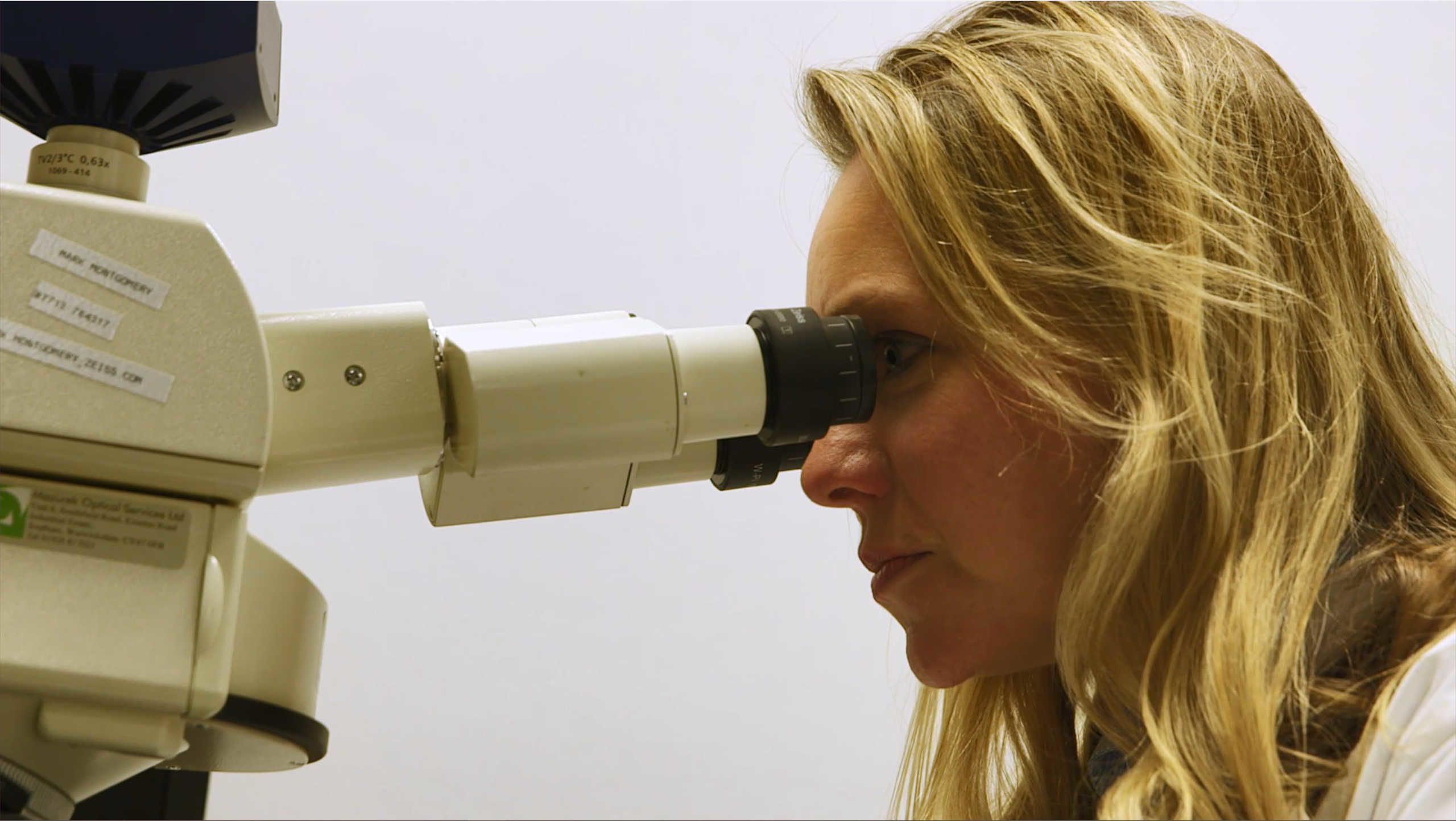
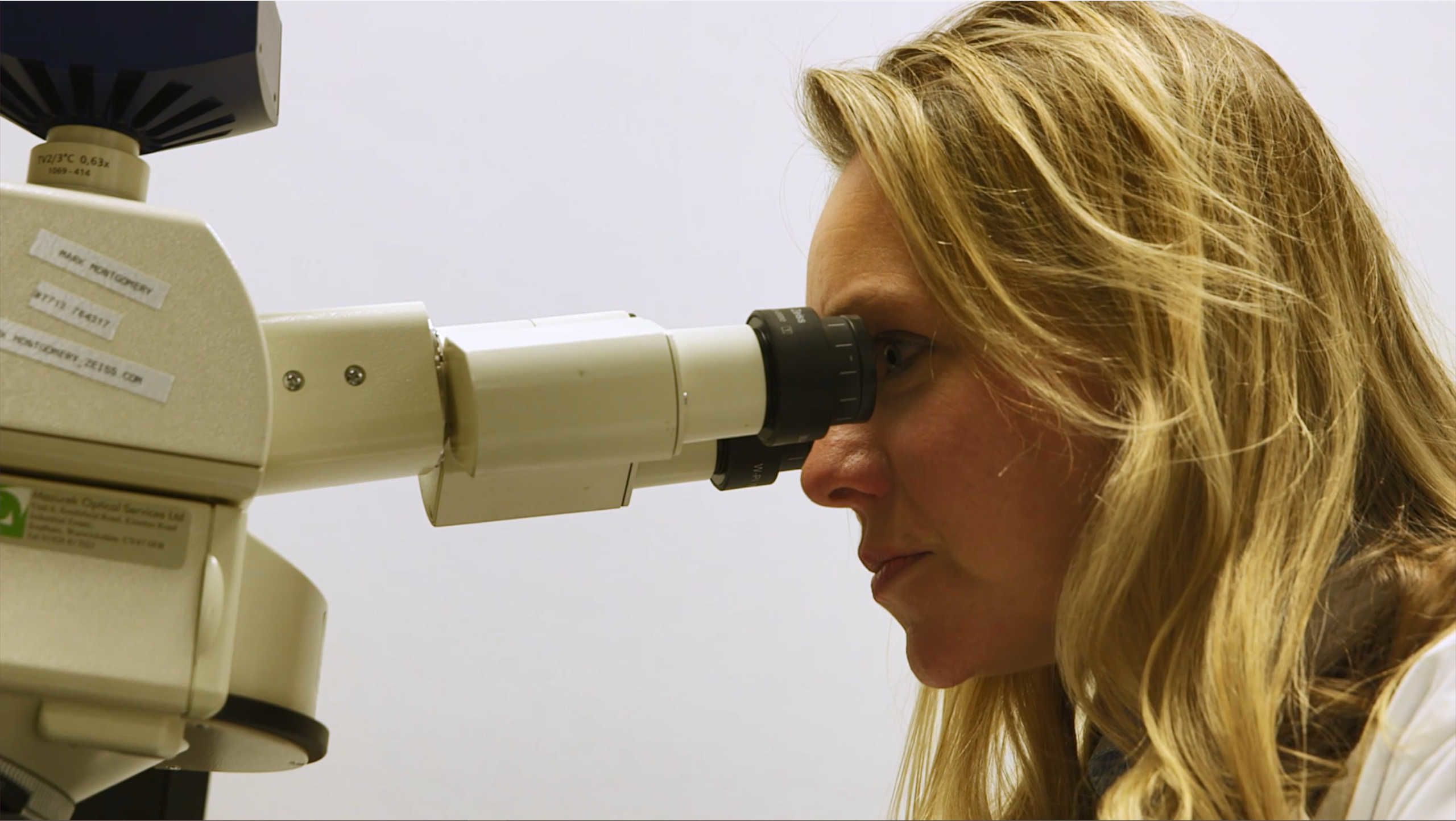
Aberdeen researchers will use artificial intelligence to try to fast-track a test to allow mass screening for Covid-19, after the £140,000 project was green lit by the Scottish Government.
The University of Aberdeen team will work with Vertebrate Antibodies Ltd (VAL) and will use VAL’s proprietary artificial intelligence (AI) technology to identify the specific elements of the virus that trigger the body’s defence systems.
It’s hoped this approach could allow the development of a sensitive test that could be used for mass screening of NHS staff/keyworkers, identification of high-risk patients/carriers, provide data on the prevalence of Covid-19, surveillance and in the future allow targeted vaccination programs.
Lead investigator, Professor Mirela Delibegovic from the School of Medicine, Medical Sciences and Nutrition at the University of Aberdeen said: “By working with VAL’s team and using their established expertise in antibody design and production enhanced by harnessing artificial intelligence, we hope to create a diagnostic test that can quickly and effectively identify Covid-19 in individuals.”
“By employing this innovative approach, we hope to achieve high-throughput capacity in a proven format that will enable mass testing which could benefit key workers and the most vulnerable members of society.”
An 'app' a day to keep the doctor OK



Researchers led by a team at the University of Aberdeen have produced an app for NHS frontline workers to help them have a 'good day' at work.
The ‘How was your day?’ app was launched in Scotland on 2 December in collaboration with Trickle Data Insights, and has been designed to improve work satisfaction, mental health and resilience in medical personnel who may be struggling to cope with difficult working conditions. It will be available to all trainee doctors in NHS Lothian and all healthcare workers in the Acute Medicine Unit in NHS Tayside, with a view to rolling it out to more frontline staff in the future.
The Minister for Mental Health Clare Haughey MSP said: “With a second phase of Covid-19 and additional winter pressures, I know our frontline workers continue to face increased anxiety and fatigue due to the unprecedented public health challenge we continue to face. That’s why we supported the development of this innovative app, which could help improve and maintain the wellbeing of those working at the frontline.”
The app will give real-time data on fluctuations of the wellbeing of NHS Scotland staff, with users receiving a weekly report encouraging them to focus more on the aspects that have previously resulted in them having good days. Additionally, participating NHS Board teams will receive a live view of where interventions are needed most in response to evolving working practices.

 Built with Shorthand