John Reid Postgraduate Scholarship
The John Reid Postgraduate Scholarship supports University of Aberdeen Arts graduates (MA or BMus) pursuing postgraduate study outside Scotland, typically offering awards of £2,000–£3,000. Click to learn more.
The John Reid Postgraduate Scholarship supports University of Aberdeen Arts graduates (MA or BMus) pursuing postgraduate study outside Scotland, typically offering awards of £2,000–£3,000. Click to learn more.
Executive Education at the School of Social Science leverages world-leading research to provide practical knowledge & skills that contribute to peace, security, prosperity & good citizenship - details here.

Aberdeen is ranked 5th in the UK for Sociology and Social Policy by the Guardian University Guide 2025

International Relations at Aberdeen is ranked 8th in the UK by the Guardian University Guide 2025.

Anthropology and Archaeology at Aberdeen is ranked 3rd in the UK by the Guardian University Guide 2025
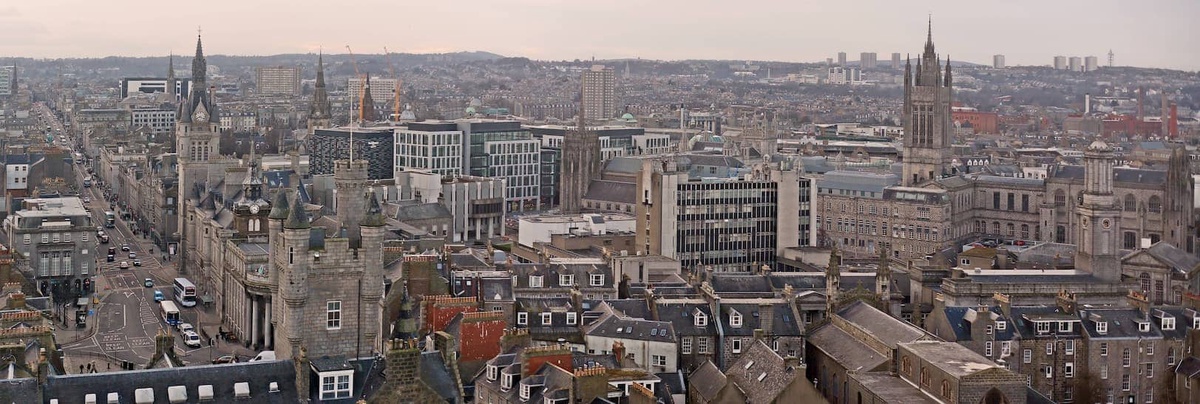
With a population of 230 000, Aberdeen is a city which captures the charm and comfort of a smaller municipality but simultaneously offers the amenities of a large metropolitan city. The beach promenade and surrounding natural areas are excellent for long walks and hikes. The bustling city centre meets the cultural, culinary, and shopping needs of tourist and residents. The airport offers 44 destinations and more than 10 flights a day to London.
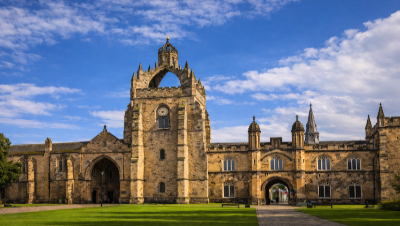
King's College was built to house the University, founded by Bishop Elphinstone under a Papal Bull issued by Pope Alexander VI on 10 February 1495. 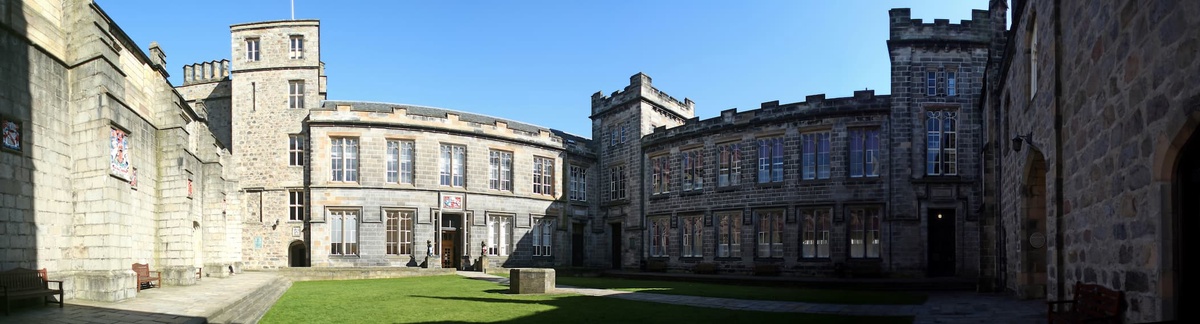
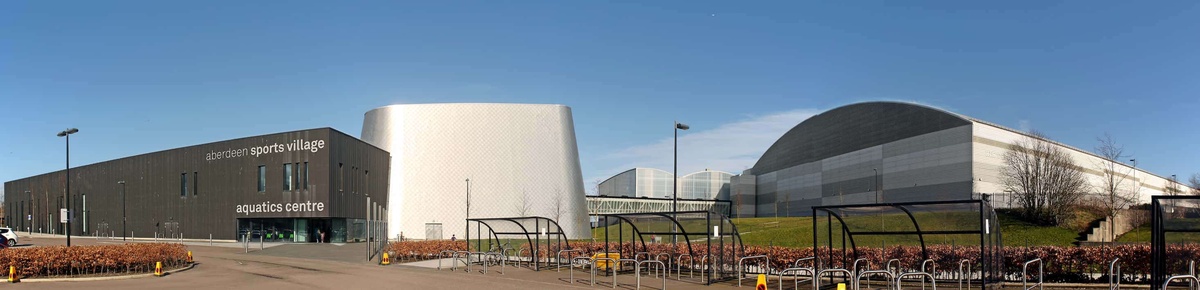
Fully completed in 2014, Aberdeen Sports Village offers an Olympic-size swimming pool, a 25 metre diving pool, a full-size indoor football pitch and a gym.
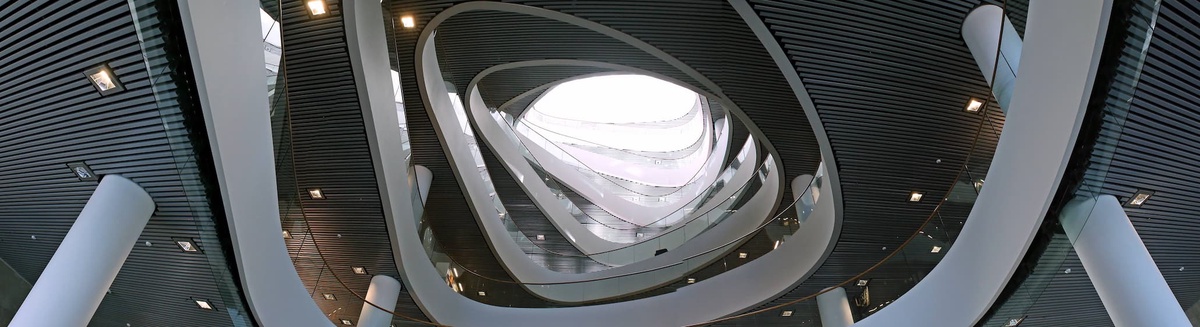
Sir Duncan Rice Library was designed by Danish architects Schmidt, Hammer and Lassen and opened by Her Majesty Queen Elizabeth II in 2012.
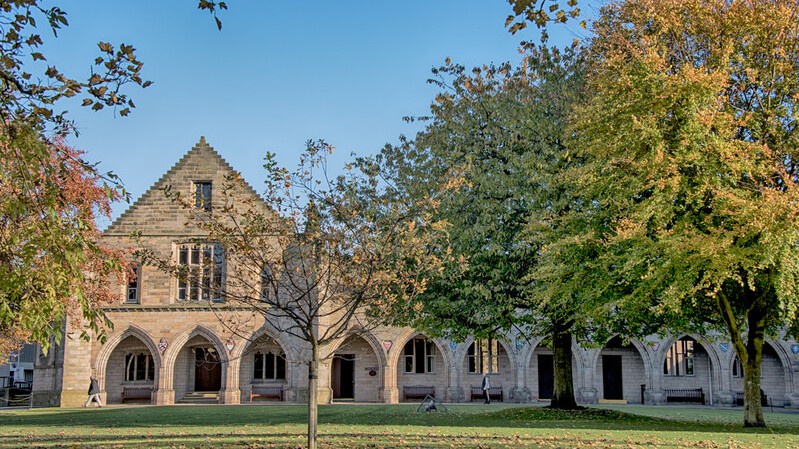
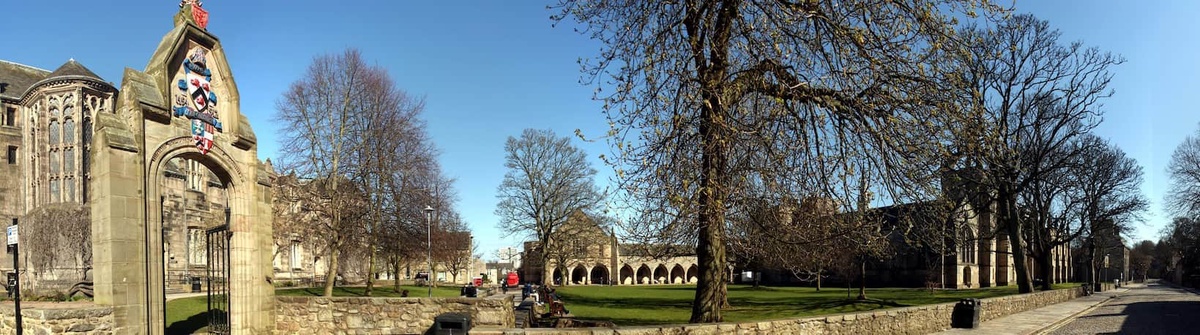
Elphinstone Lawn is located at the heart of the university surrounded by New King's (c. 1913), Elphinstone Hall (c. 1930) and King's College Chapel (c. 1509).
Located a short train ride from Aberdeen, Dunnottar Castle in Stonehaven offers some of the most majestic and spectacular views of the North Sea.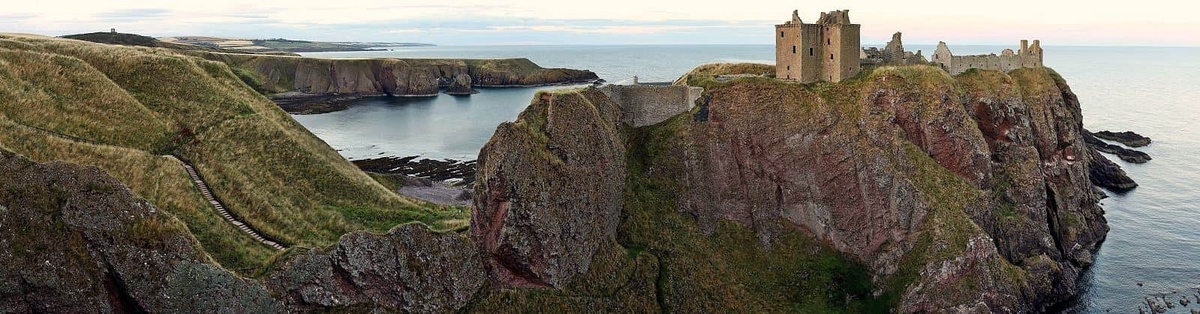
The National Trust for Scotland operates guided tours of Fyvie Castle. This 13th century fortress boasts a lavish collection of oil paintings and statues. 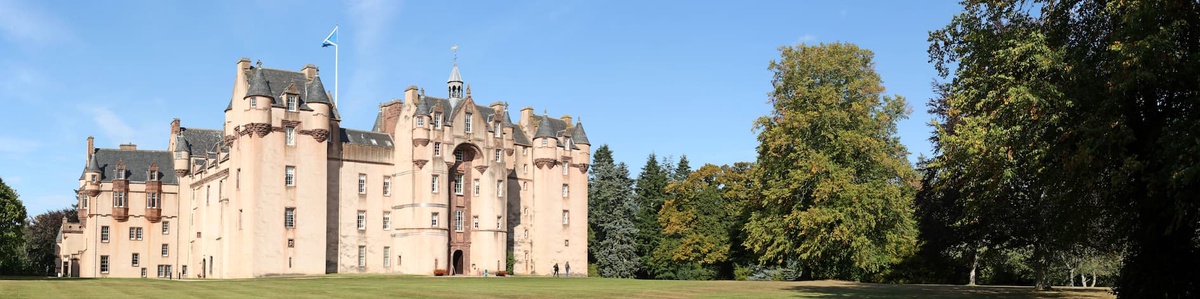
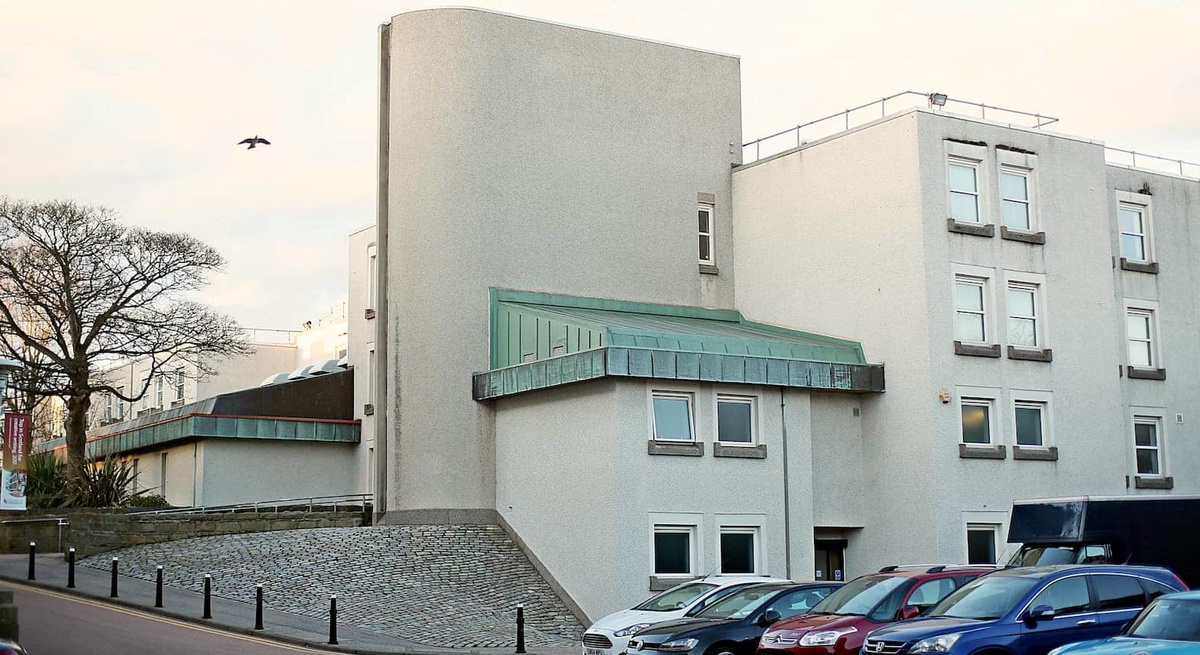
The address of the University of Aberdeen School of Social Science is:
School of Social Science
University of Aberdeen
Edward Wright Building
Dunbar Street
Aberdeen
AB24 3QY
Telephone: +44 (0)1224 272726
Email: socsci@abdn.ac.uk
Please see the People section for specific contacts.